
Concrete Patio Reinforcement: Rebar, Fiber, and Base Prep Explained
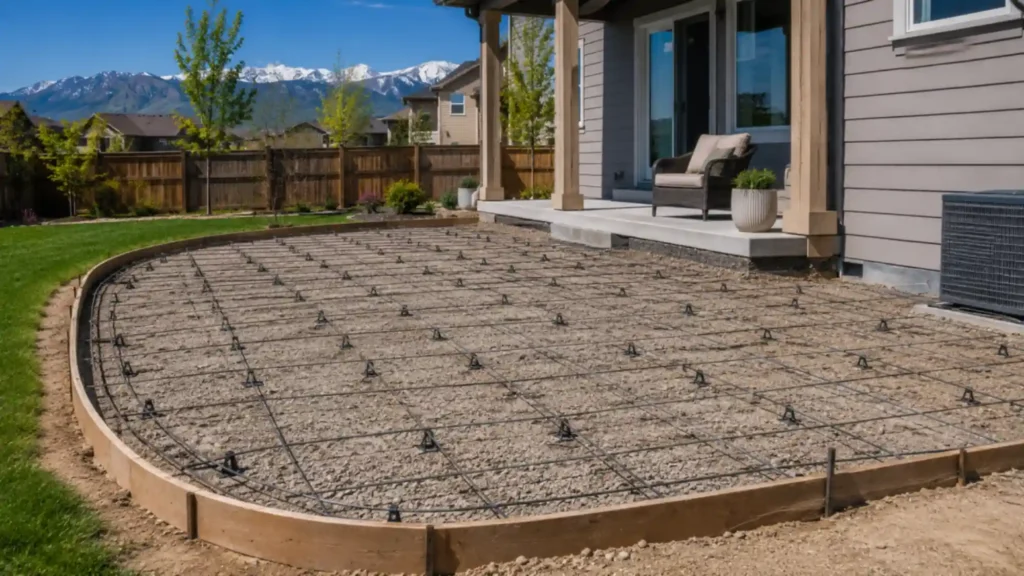
Rebar, fiber, and wire mesh do three different jobs in a patio slab, and none of them stop cracks. Here’s what each one is for, where it belongs, and how Northern Colorado soil changes the answer.
Concrete Pad Cost in Northern Colorado: What Drives the Price?
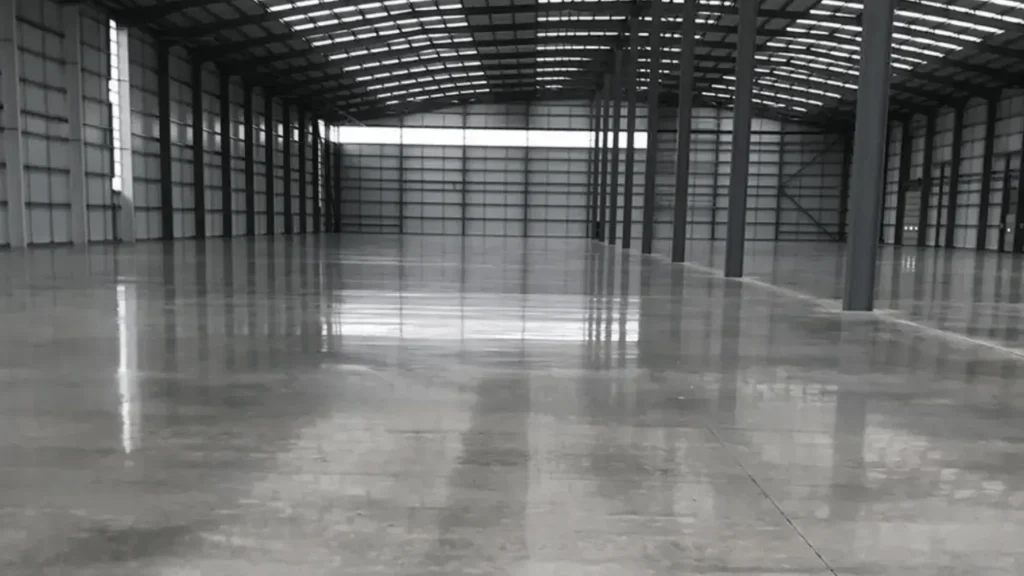
Two bids for the same pad can sit thousands apart, and the reason is almost never the concrete. Here is a line-item look at what drives concrete pad cost in Northern Colorado, base prep to permits.
Small Concrete Companies Near Me vs. Big National Brands: How to Choose
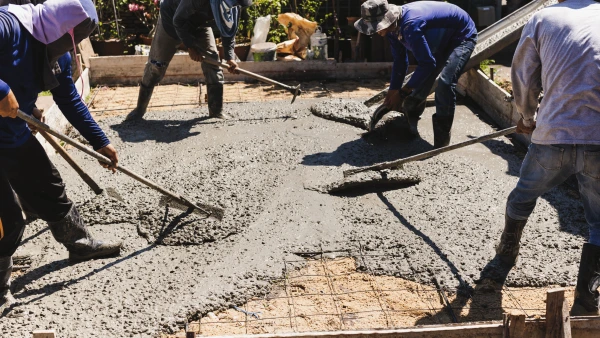
National concrete brands bring process and scheduling depth. Small local crews bring the owner on site and Front Range soil knowledge. Here is an honest comparison for Northern Colorado homeowners.
Concrete Guys Near Me: How to Spot a Professional Crew vs. a Cut-Rate Pour
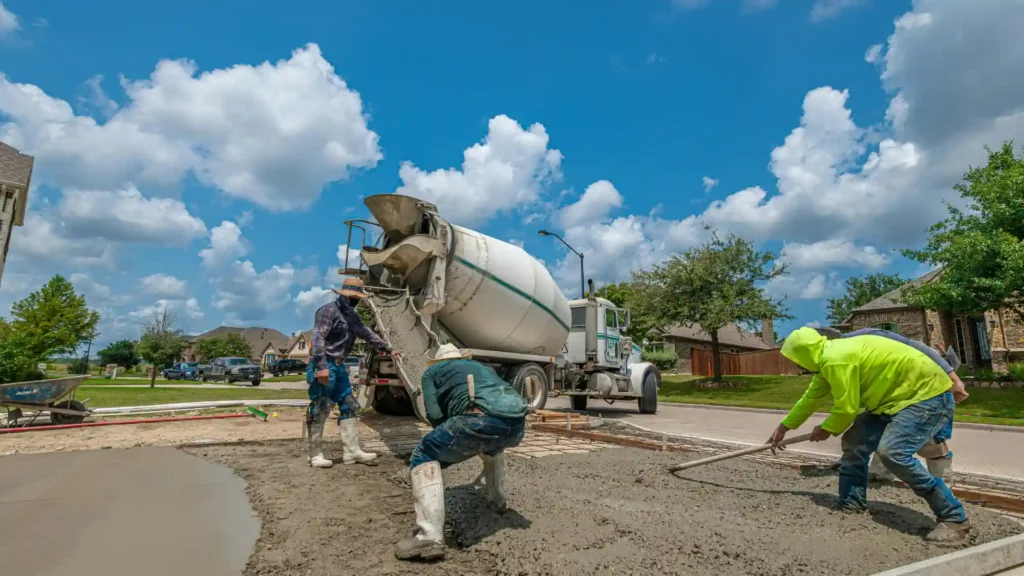
Every concrete listing says licensed and insured. Few explain base prep, joints, or air content. Here is what a professional Northern Colorado crew does differently, and how a cut-rate pour shows itself.
Northern Colorado: Hiring Questions for Driveways, Patios, and Floors
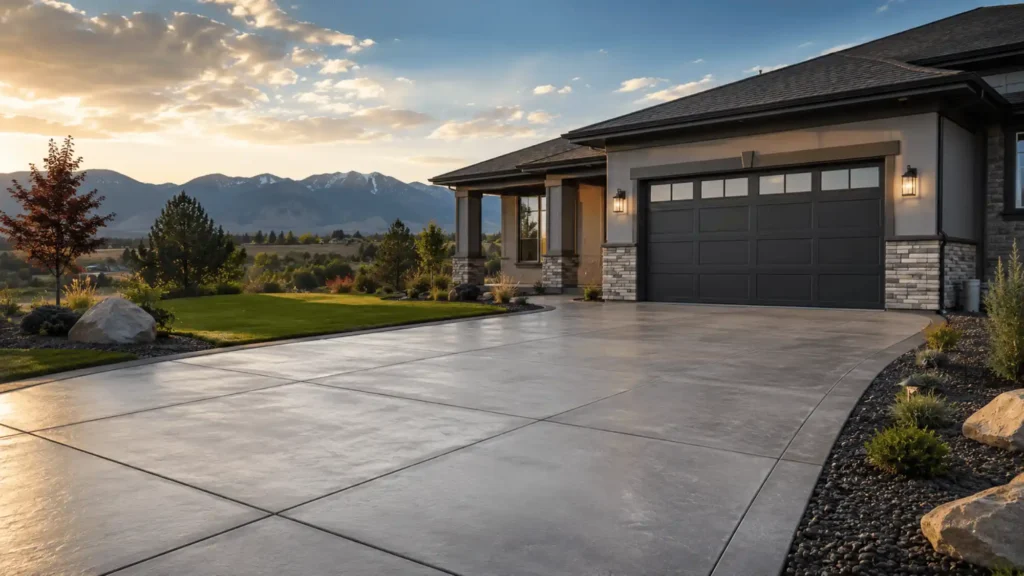
Freeze-thaw cycles and expansive clay make Northern Colorado concrete a tougher job than most. Here is what separates work that lasts from work that cracks, plus the hiring questions to ask for driveways, patios, and floors.
Licensed Concrete Contractor Near Me: The Questions to Ask Before You Book
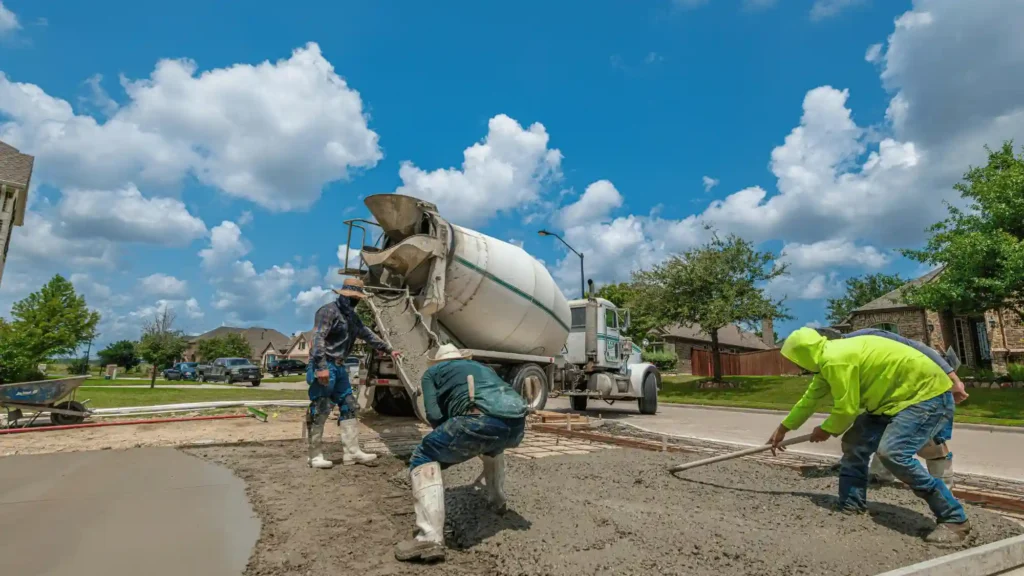
In Colorado, almost anyone can call themselves a concrete contractor. Here is what licensing actually requires, how to verify it, and the questions that separate a real crew from a risky one before you sign.
Concrete Finishing Near Me: What Quality Finish Work Looks Like
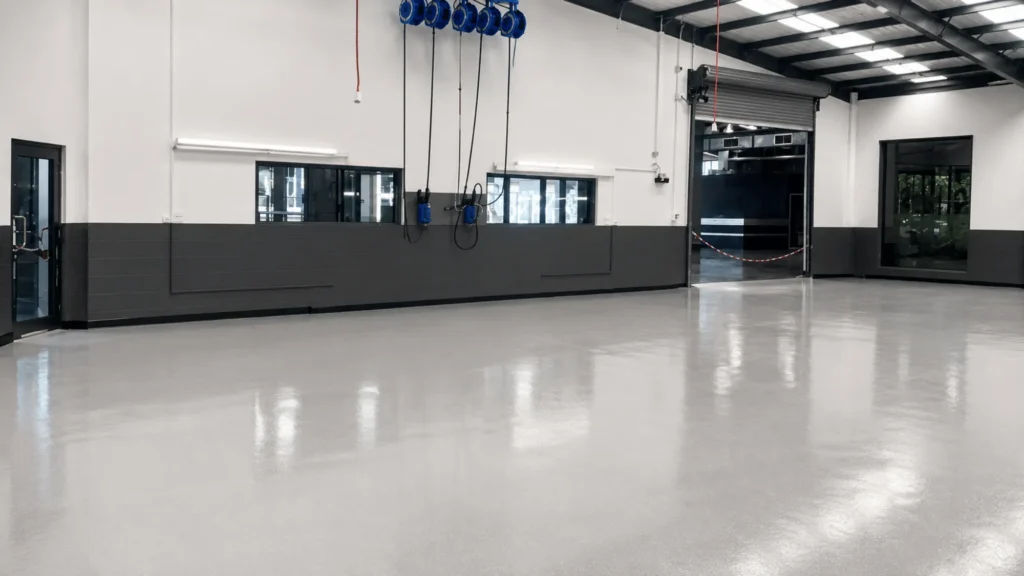
The finish is the part of a concrete job you actually see and touch every day. Here is how to tell quality concrete finishing from a rushed pour, the defects that give bad work away, and what to ask before you hire a crew near you.
Epoxy Garage Floor in Windsor: Prep, Flakes, and Finish Options
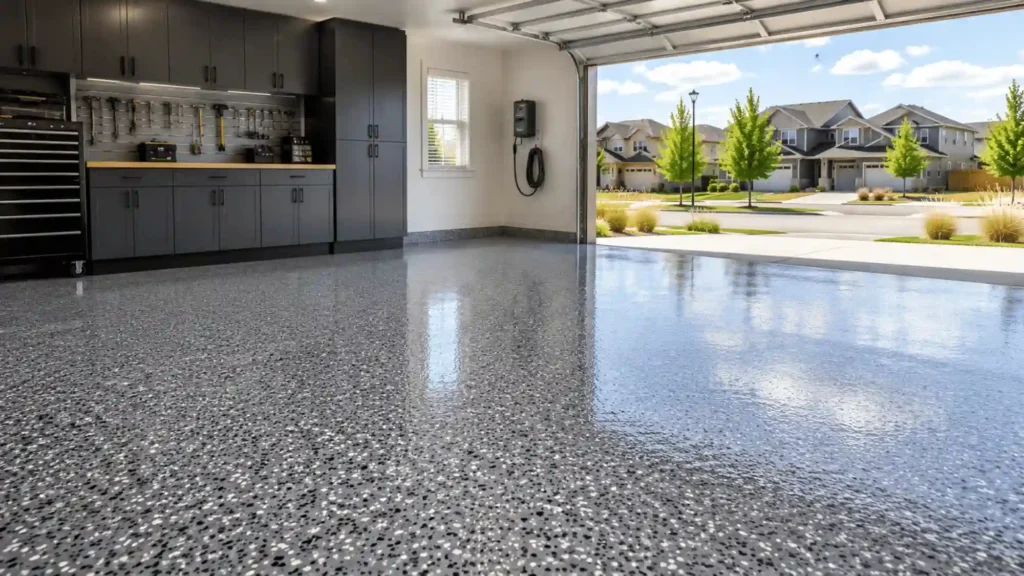
An epoxy garage floor Windsor homeowners can rely on starts long before the coating is applied. While many people focus on color choices and decorative flakes, the real success of any floor coating system comes down to preparation, installation methods, and selecting the right finish for the space. Garage floors in Northern Colorado face a unique combination of challenges. Snow, ice melt products, vehicle traffic, moisture, road salt, temperature swings, and heavy storage loads can all take a toll on untreated concrete. A professionally installed coating system helps protect the slab while improving appearance and simplifying maintenance. Whether you are upgrading a residential garage, workshop, hobby space, or storage area, understanding your options is critical. Professional epoxy flooring solutions can provide long-lasting protection while creating a clean, finished look that complements the rest of your property. Before selecting colors or finishes, homeowners should understand the role surface preparation, decorative flakes, and protective topcoats play in overall floor performance. Also Read Epoxy Garage Floors in Northern Colorado Windsor Garage Epoxy Floor Transformation Why Epoxy Floors Are Popular in Colorado TL;DR A successful garage floor coating system depends on proper preparation, quality materials, decorative flake selection, and the right finish. Homeowners in Windsor should prioritize surface preparation and durability over appearance alone to maximize long-term performance. Key Takeaways Surface preparation is the most important step in any coating project Decorative flakes improve appearance and help conceal dirt and wear Different finish options offer different durability and maintenance benefits Colorado weather creates unique challenges for garage floors Professional installation improves longevity and performance Moisture testing is critical before applying coatings High-quality topcoats improve stain and chemical resistance Why Garage Floors Need Protection in Colorado Garage floors experience constant exposure to conditions that can damage bare concrete. Freeze-Thaw Exposure During winter, moisture from snow and ice enters the garage repeatedly. When untreated concrete absorbs water, freeze-thaw cycles can gradually weaken the surface. Road Salt and Deicing Chemicals Vehicles often bring salt and deicing products into garages throughout the winter. These materials can contribute to: Surface deterioration Staining Increased moisture retention Long-term concrete damage Vehicle Traffic Cars, trucks, motorcycles, trailers, and recreational equipment place ongoing stress on concrete surfaces. Repeated traffic can cause: Tire marks Surface abrasion Dusting Minor surface deterioration Storage Loads Garages frequently support heavy toolboxes, shelving systems, workbenches, and equipment. Protective floor systems help reduce wear from concentrated weight loads. The Importance of Proper Surface Preparation No aspect of a garage floor coating project is more important than preparation. Many coating failures occur because installers focus on appearance while neglecting slab preparation. Concrete Evaluation Before installation begins, contractors should inspect the slab carefully. This includes evaluating: Cracks Surface scaling Moisture issues Oil contamination Existing coatings Spalling damage Identifying these conditions early helps determine the proper preparation approach. Mechanical Grinding Professional installers typically use diamond grinding equipment to prepare the concrete. Grinding helps: Open concrete pores Remove contaminants Improve coating adhesion Create a uniform surface profile Mechanical preparation generally produces stronger results than acid etching alone. Crack and Surface Repairs Damaged areas should be repaired before coatings are installed. Common repairs include: Crack filling Joint repair Surface patching Spall correction Skipping repairs can allow imperfections to show through the finished system. Moisture Testing Moisture is one of the leading causes of coating failure. According to the International Concrete Repair Institute , moisture testing helps determine whether a slab is suitable for coatings and identifies conditions that could impact long-term adhesion. Understanding Decorative Flake Options Decorative flakes are one of the most popular garage floor upgrades. They provide both visual and functional benefits. What Are Decorative Flakes? Flakes are small vinyl or polymer chips broadcast into the coating system during installation. They create texture, visual variation, and enhanced durability. Benefits of Decorative Flakes Flake systems offer several advantages: Improved appearance Better stain concealment Increased slip resistance Reduced visibility of dirt Enhanced texture Partial Broadcast Systems Partial broadcasts use lighter flake coverage. This creates: More visible base color Lower material usage Decorative accents Partial systems often appeal to homeowners seeking a cleaner, more minimalist appearance. Full Broadcast Systems Full broadcasts completely cover the floor surface with flakes. Benefits include: Greater durability More uniform appearance Better wear concealment Increased texture Full broadcast systems are often preferred for garages with heavy use. Popular Flake Colors for Windsor Homes Color selection affects both appearance and maintenance. Gray Blend Systems Gray remains one of the most popular choices because it: Hides dirt effectively Matches most interiors Provides a professional appearance Tan and Neutral Blends Neutral tones complement many residential designs and help create a warmer appearance. Black and White Blends High-contrast blends create a modern look while concealing tire marks and dust. Custom Color Options Many homeowners choose custom blends that coordinate with: Home exteriors Cabinet systems Workshop layouts Vehicle collections Choosing the Right Finish The finish layer determines much of the floor’s durability and appearance. Gloss Finishes Gloss coatings provide: High reflectivity Enhanced brightness Easy cleaning Showroom appearance Many homeowners prefer gloss finishes because they maximize visual impact. Satin Finishes Satin systems offer a more subtle appearance while reducing glare. These finishes often work well in: Workshops Multi-purpose garages Utility spaces Matte Finishes Matte finishes create a softer, less reflective appearance. They may appeal to homeowners seeking a more understated look. How Topcoats Affect Performance The topcoat serves as the protective barrier above the decorative system. Chemical Resistance High-quality topcoats help protect against: Oil spills Fuel exposure Cleaning chemicals Automotive fluids UV Protection Some coating materials can yellow over time when exposed to sunlight. Modern UV-resistant topcoats help maintain color stability. Abrasion Resistance Topcoats absorb much of the daily wear from: Foot traffic Tire movement Equipment rolling Storage systems Easier Maintenance Protective topcoats simplify routine cleaning and reduce staining potential. According to the National Association of Home Builders , durable floor systems can significantly reduce maintenance requirements in heavily used residential spaces. Common Mistakes Homeowners Make Many garage floor problems begin before installation. Prioritizing Price Alone Low-cost
Fort Collins Patio Builder Case Study: From Drainage Problem to Finished Patio
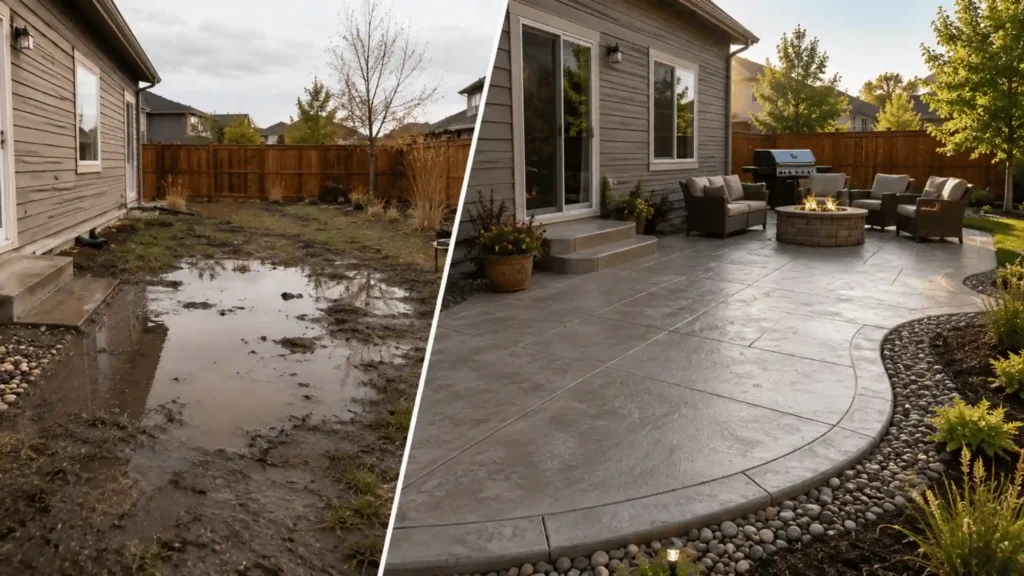
Choosing the right patio builder Fort Collins homeowners can trust often comes down to more than appearance alone. A beautiful patio that ignores drainage issues, grading problems, or soil conditions can quickly develop standing water, cracking, settlement, and costly maintenance concerns. This case study follows a common scenario seen throughout Northern Colorado. A homeowner wanted to expand their outdoor living space but faced persistent drainage problems that made the backyard difficult to use. Water collected near the home’s foundation after storms, portions of the yard remained muddy for days, and previous landscaping efforts failed to solve the underlying issue. By combining proper drainage planning, excavation, grading, and professional concrete patio installation services , the project transformed an unusable backyard into a durable outdoor living area designed for Colorado conditions. The process highlights why preparation and site evaluation are just as important as the finished concrete itself. Also Read Custom Concrete Patios Fort Collins Backyard Patio Installation Stamped Concrete Patio in Fort Collins TL;DR A Fort Collins homeowner struggled with standing water, poor drainage, and an unusable backyard. Through proper site preparation, grading corrections, drainage improvements, and professional patio installation, the space became a functional, durable outdoor living area designed to handle Colorado weather. Key Takeaways Drainage issues should always be addressed before patio construction Proper grading protects both the patio and home foundation Site preparation impacts long-term concrete performance Colorado weather requires durable construction methods Patio design should account for water flow and runoff management Reinforcement and proper base preparation reduce future cracking Professional planning improves both functionality and longevity The Original Problem: A Backyard That Stayed Wet The property initially appeared to be a good candidate for a patio project. The homeowner had: Adequate backyard space Existing landscaping Easy access from the home Strong interest in outdoor entertaining However, several issues became apparent during evaluation. Standing Water After Storms Water is regularly collected in multiple areas of the yard. After moderate rainfall: Puddles remained for several days Grass struggled to grow Mud developed near walkways Portions of the yard became unusable Improper Grading The backyard slope directed water toward the home rather than away from it. This created concerns involving: Foundation moisture Erosion Landscape damage Long-term property maintenance Previous Attempts Failed The homeowner had attempted several solutions including: Additional topsoil Decorative rock Landscape modifications While these provided temporary improvements, the core drainage issue remained unresolved. Why Drainage Matters Before Building a Patio Many property owners focus primarily on patio size, shape, and finish options. However, drainage often determines whether the patio performs properly over time. Water Is One of Concrete’s Biggest Enemies Concrete itself is durable, but improper drainage can create problems beneath the slab. Common issues include: Settlement Soil erosion Freeze-thaw damage Surface cracking Uneven sections Foundation Protection Patios should direct water away from the home whenever possible. Poor drainage can contribute to: Foundation movement Basement moisture Crawlspace issues Landscape deterioration Long-Term Performance A patio built on unstable or saturated soil is more likely to experience movement over time. Addressing drainage before installation helps protect the investment. Site Evaluation and Planning Before excavation began, the project required a comprehensive site evaluation. Measuring Existing Grades Contractors mapped the yard’s elevation changes to understand water flow patterns. This process identified: High points Low points Water collection areas Existing drainage routes Evaluating Soil Conditions Northern Colorado properties often contain clay-heavy soils. These soils can: Expand when wet Contract during dry periods Contribute to concrete movement Understanding soil behavior helps determine proper preparation methods. Identifying Runoff Sources Water entered the yard from multiple locations. These included: Roof downspouts Adjacent landscaping Natural slope patterns Each source required consideration during design. The Drainage Solution Correcting drainage involved multiple improvements rather than a single fix. Regrading the Backyard The first step involved reshaping portions of the yard. This helped: Redirect runoff Eliminate low spots Improve water movement Proper grading established the foundation for the entire project. Improving Water Flow The patio design incorporated slopes that encouraged runoff to move away from the home. Water management considerations included: Surface drainage Adjacent landscaping Future maintenance access Base Stabilization A properly compacted base was installed to support the patio and reduce future settlement risks. Preparation included: Excavation Compaction Aggregate placement Final grading adjustments Designing the New Outdoor Living Space Once drainage concerns were addressed, attention shifted to patio design. Defining Functional Areas The homeowner wanted a space that supported multiple activities. The layout included: Dining space Seating area Grill location Open circulation paths Patio Size Considerations Rather than maximizing square footage, the design focused on functionality. This created a layout that felt spacious without overwhelming the yard. Integration With Existing Landscaping The patio blended with existing landscape features while improving accessibility throughout the property. Choosing the Right Concrete Patio System Not all patios are built the same. Several factors influenced material and construction decisions. Concrete Thickness The patio was designed to handle: Foot traffic Outdoor furniture Seasonal weather changes Proper thickness helps improve durability and reduce cracking risks. Reinforcement Reinforcement helped strengthen the slab and improve long-term performance. This included appropriate measures to control cracking and distribute stress. Joint Placement Control joints were incorporated to help manage natural concrete movement. According to the American Cement Association , proper joint placement is one of the most important factors in managing concrete cracking. Construction Process The installation process followed a structured sequence. Excavation Existing soil was removed to achieve proper depth and drainage requirements. Base Installation Aggregate material was installed and compacted to provide stable support. Formwork Forms established: Patio dimensions Elevation control Final shape Concrete Placement The slab was placed carefully to maintain proper slopes and drainage performance. Finishing The selected finish balanced: Appearance Slip resistance Durability Challenges Encountered During Construction Most projects encounter some unexpected conditions. Additional Soil Corrections During excavation, portions of the soil required further stabilization than initially anticipated. Drainage Adjustments Minor adjustments were made after identifying a secondary runoff path. Weather Scheduling Colorado weather required careful scheduling to maintain installation quality. Professional contractors account
Concrete Repair Colorado: When Replacement Is the Better Long-Term Call
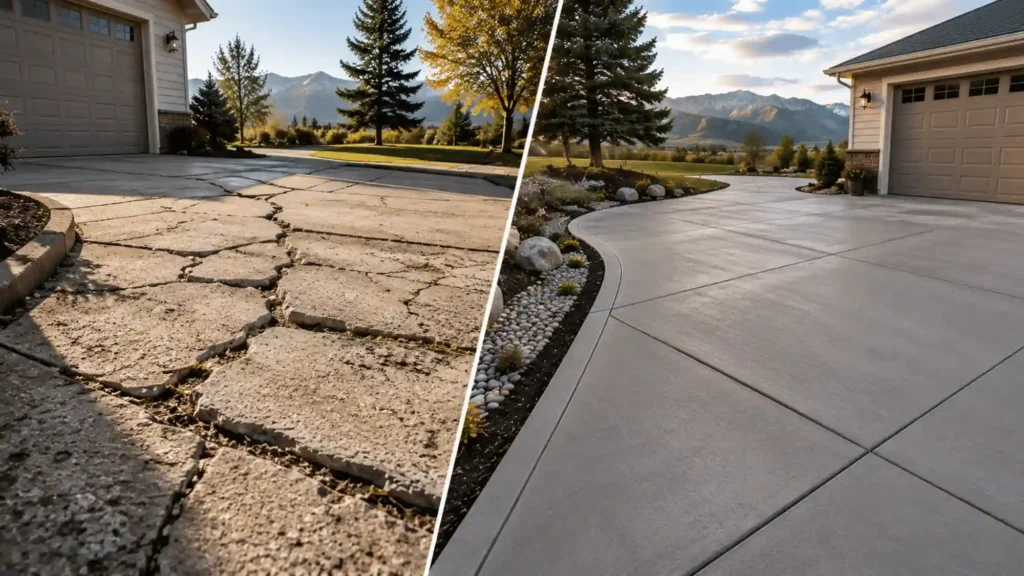
Many property owners looking into concrete repair in Colorado want the quickest, lowest-cost fix. Repairs can often improve the look and function of damaged concrete, but they are not always the best long-term value. In some cases, replacement offers stronger durability, fewer future maintenance problems, and a better return over the life of the concrete. Colorado presents unique challenges for concrete surfaces. Freeze-thaw cycles, expansive soils, snowmelt, moisture intrusion, and rapid temperature changes can accelerate deterioration. What begins as a small crack can eventually develop into significant structural damage if the underlying cause is not addressed. Whether you are dealing with a driveway, sidewalk, patio, commercial slab, or floor system, understanding the difference between repairable damage and replacement-level deterioration can help you make a more informed decision. Professional concrete flooring services and structural concrete evaluations often reveal issues that are not immediately visible from the surface. Before investing in repairs, it is important to understand the warning signs, cost considerations, and long-term implications of both options. Also Read Concrete PSI Strength Guide Site Prep Tips to Prevent Concrete Failure Concrete Installation Mistakes in Colorado TL;DR Minor cracks, surface wear, and isolated damage can often be repaired successfully. However, widespread cracking, settlement, drainage failures, structural movement, and recurring repairs often indicate that replacement provides better long-term value. Colorado’s climate makes it especially important to address root causes rather than cosmetic symptoms. Key Takeaways Small concrete defects can often be repaired effectively Structural movement usually indicates deeper problems Colorado weather accelerates concrete deterioration Drainage failures often lead to replacement recommendations Repeated repairs can become more expensive than replacement Proper site preparation affects concrete lifespan Long-term value matters more than short-term repair savings Why Concrete Fails in Colorado Concrete is durable, but it is not indestructible. Colorado’s environment creates several challenges that affect long-term performance. Freeze-Thaw Cycles Water enters small cracks and pores in the concrete surface. When temperatures drop, the moisture freezes and expands. Over time this can lead to: Crack expansion Surface scaling Spalling Joint deterioration Repeated freeze-thaw cycles often accelerate existing damage. Expansive Soils Many Colorado properties sit on clay-rich soils that expand when wet and shrink when dry. This movement places stress on concrete slabs and can contribute to: Cracking Settlement Uneven surfaces Structural movement Poor Drainage Water is one of the leading contributors to concrete failure. Improper drainage can cause: Soil erosion Base instability Foundation movement Surface deterioration Installation Deficiencies Concrete problems sometimes originate during construction. Common installation issues include: Inadequate compaction Insufficient reinforcement Poor joint placement Improper curing Weak concrete mixes These problems may not become visible until years later. Common Signs That Concrete Can Be Repaired Not every damaged slab requires replacement. Many issues can be corrected if they are identified early. Hairline Cracks Small cracks are common and often cosmetic. If the slab remains stable and level, crack sealing may prevent moisture intrusion and slow future deterioration. Surface Discoloration Staining and weathering generally affect appearance more than structural performance. Cleaning, resurfacing, or protective coatings may restore the surface. Minor Spalling Localized surface flaking can often be repaired without removing the entire slab. Isolated Damage When damage is limited to a specific area, targeted repairs may provide an effective solution. Examples include: Small corner breaks Minor edge deterioration Localized cracking Limited surface wear Warning Signs That Replacement May Be Necessary Some forms of damage indicate deeper structural concerns. Multiple Large Cracks Large interconnected cracks often suggest movement beneath the slab. Repairs may improve appearance temporarily but may not stop future movement. Vertical Displacement When one side of a crack sits higher than the other, structural movement has occurred. This may indicate: Soil settlement Base failure Frost heave Expansive soil movement Repeated Repair Failures If repairs continue to fail, the underlying cause has likely not been resolved. Recurring damage often points toward replacement. Significant Drainage Issues Water pooling around concrete surfaces can accelerate deterioration and weaken supporting soils. Persistent drainage failures often require more extensive corrective work. Extensive Surface Deterioration Large-scale spalling, scaling, or crumbling may indicate that the concrete has reached the end of its useful life. Understanding Structural vs Cosmetic Damage One of the most important factors when evaluating concrete is determining whether the problem is cosmetic or structural. Cosmetic Issues Cosmetic defects typically affect appearance rather than performance. Examples include: Minor surface cracking Light staining Color variation Small chips These issues can often be repaired successfully. Structural Issues Structural damage affects stability and load-bearing capacity. Examples include: Settlement Large cracks Heaving Significant movement Drainage-related erosion Structural issues generally require more extensive solutions. Cost Analysis: Repair vs Replacement The competitor article correctly highlights cost as an important consideration, but many property owners focus only on immediate expenses rather than long-term value. Repair Costs Repairs often cost less initially. Typical repair services include: Crack filling Joint repair Surface patching Resurfacing Slab lifting These solutions may extend lifespan when underlying conditions remain stable. Replacement Costs Replacement involves: Demolition Disposal Excavation Base preparation Reinforcement New concrete installation While more expensive upfront, replacement often reduces future maintenance expenses. Long-Term Financial Considerations Property owners should evaluate: Future repair frequency Expected lifespan Maintenance requirements Safety concerns Property value impact A larger investment today may reduce costs over the next decade. How Drainage Influences the Decision Drainage frequently determines whether repair or replacement makes sense. Surface Water Problems Standing water creates ongoing stress on concrete systems. Subsurface Erosion Water can wash away supporting soils beneath slabs. This often leads to: Settlement Voids Cracking Uneven surfaces Foundation Protection Concrete surfaces should direct water away from structures whenever possible. Poor drainage affects more than the slab itself. The Federal Highway Administration provides extensive research regarding water management and concrete durability in transportation infrastructure. Top 5 Signs Replacement Is the Better Long-Term Choice 1. Large Widespread Cracking Multiple large cracks often indicate deeper structural issues. 2. Uneven Concrete Sections Vertical displacement suggests movement beneath the slab. 3. Persistent Water Pooling Drainage failures frequently lead to recurring damage. 4. Extensive Surface Deterioration Widespread spalling and