
Cracked Concrete Driveway: Repair or Replace in Colorado?
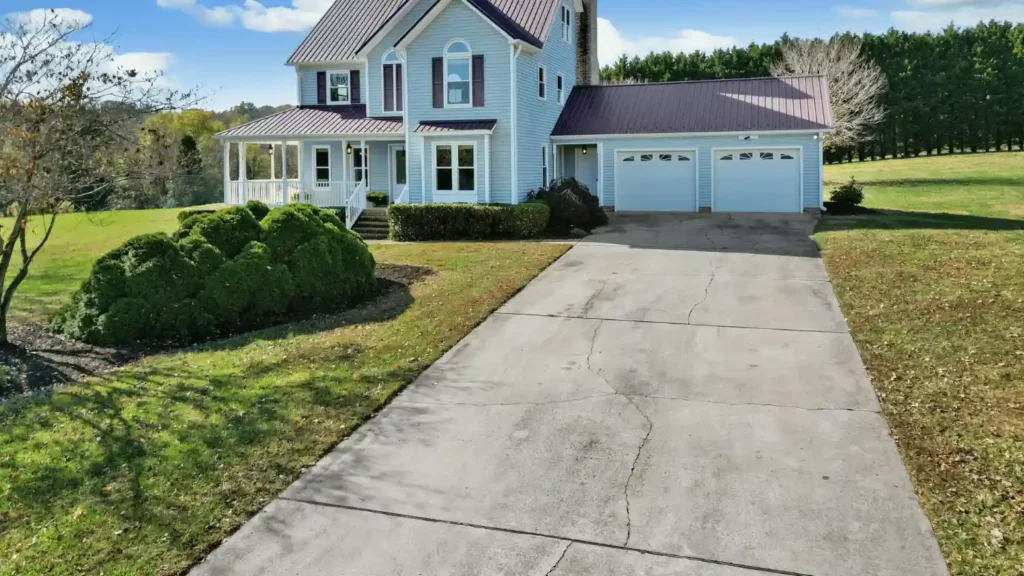
Colorado weather can destroy concrete driveways faster than many homeowners expect. Learn how to evaluate a cracked concrete driveway, understand repair options, and determine when replacement is the smarter investment.
Concrete Polishing Contractor: What to Check Before You Hire
Hiring the right concrete polishing contractor can impact durability, maintenance costs, and long-term floor performance. Learn the key factors to evaluate before signing a contract.
Concrete Contractor Pricing: What Goes Into a Real Bid?

Concrete contractor prices can vary significantly from one project to another, even when the scope appears similar on the surface. Homeowners and commercial property owners often compare bids without understanding what is actually included in the pricing. One contractor may provide a low estimate by cutting preparation steps, reducing material quality, or excluding important labor costs. Another may submit a higher bid because they account for long-term durability, drainage planning, reinforcement, and proper installation methods. Understanding how concrete contractor prices are built can help property owners make better decisions and avoid expensive problems later. A professional bid should reflect labor, material costs, equipment usage, site preparation, disposal, reinforcement, finishing, weather considerations, and long-term project performance. Experienced contractors serving Colorado communities through their concrete service areas understand how climate, soil conditions, and local regulations affect pricing. Concrete projects in Northern Colorado often require additional preparation because of freeze-thaw cycles, expansive soils, and drainage concerns. When evaluating bids, the lowest price is not always the best value. The goal should be finding a contractor who delivers quality workmanship, realistic timelines, and durable results that minimize future repairs and maintenance. Also Read Fort Collins Concrete Driveway Cost Guide Preventing Concrete Cracks in Loveland Clay Soil Site Prep Tips to Prevent Concrete Failure TL;DR Concrete contractor prices are based on more than concrete alone. Real bids include labor, excavation, reinforcement, site preparation, equipment, cleanup, material delivery, finishing work, permits, and long-term durability considerations. Understanding these factors helps property owners compare bids accurately and avoid hidden costs. Key Takeaways Concrete contractor prices vary based on project complexity and site conditions Proper preparation is one of the largest factors affecting long-term durability Labor, equipment, and reinforcement significantly impact pricing Low bids often exclude important installation steps Weather conditions and local soil conditions influence project costs Detailed bids provide better transparency and fewer surprises Professional contractors price projects for performance, not just appearance Why Concrete Contractor Prices Vary So Much Many property owners are surprised when they receive multiple bids with large pricing differences. This happens because contractors approach projects differently. Some focus on: Speed Minimal labor Lower material costs Basic finishing Limited preparation Others prioritize: Long-term durability Proper drainage Reinforcement Site stabilization High-quality finishing The final project outcome often reflects these differences. Project Scope Differences Even projects with similar square footage can require completely different levels of work. Factors that increase complexity include: Sloped terrain Poor soil conditions Limited site access Drainage correction Decorative finishes Existing concrete removal Heavy reinforcement needs Each variable changes labor demands and equipment requirements. Regional Pricing Differences Concrete pricing also changes by location due to labor availability, material delivery costs, permit requirements, and local market demand. Colorado projects often require additional weather planning and base preparation because of freeze-thaw exposure and shifting soils. The Biggest Factors That Affect Concrete Contractor Prices Concrete bids are built from multiple cost categories. Material Costs Concrete itself is only one portion of the overall project cost. Material pricing includes: Concrete mix design Gravel base Rebar or reinforcement Fiber additives Form materials Sealers Expansion joint materials Concrete strength requirements also influence pricing. Higher PSI mixes designed for heavy traffic or freeze-thaw durability generally cost more. Labor Costs Labor is one of the largest components of concrete contractor prices. Concrete work requires skilled crews capable of: Excavation Grading Form building Reinforcement installation Concrete placement Finishing Joint cutting Cleanup Complex decorative finishes or difficult site conditions increase labor time significantly. Equipment Costs Professional contractors rely on specialized equipment throughout the project. This may include: Excavators Skid steers Concrete saws Mixers Laser grading equipment Compactors Power trowels Equipment transportation, fuel, maintenance, and operation costs all affect final pricing. Excavation and Site Preparation Preparation is one of the most important parts of any concrete project. Poor preparation often leads to: Cracking Settlement Drainage issues Surface failure Professional bids typically include: Excavation Soil stabilization Compaction Grading Drainage correction Base material installation Skipping these steps can reduce upfront pricing but increase future repair costs. Understanding Concrete Thickness and Reinforcement Not all slabs are built the same. Concrete Thickness Driveways, patios, sidewalks, and commercial slabs all require different thickness levels based on usage. Thicker slabs generally cost more because they require: More concrete Additional labor Increased reinforcement For example: Residential sidewalks may use 4-inch slabs Driveways often require 5 to 6 inches Commercial pads may require thicker reinforced systems Reinforcement Materials Reinforcement helps control cracking and improve structural performance. Common reinforcement options include: Rebar Wire mesh Fiber reinforcement The type and amount of reinforcement affect project pricing significantly. According to the Portland Cement Association, proper reinforcement and joint placement help reduce long-term cracking and improve slab durability. How Site Conditions Affect Concrete Contractor Prices Site conditions play a major role in project costs. Soil Conditions Colorado soils can create challenges for concrete installation. Expansive clay soils may require: Additional excavation Soil stabilization Thicker gravel bases Enhanced drainage systems Poor soil conditions increase both labor and material costs. Drainage Problems Water management is critical for concrete longevity. Projects with drainage concerns may require: Regrading Drain installation Sloped concrete design Additional excavation Ignoring drainage issues often leads to cracking and settlement later. Accessibility Challenges Limited access increases labor time and equipment difficulty. Examples include: Backyard projects with narrow gates Steep slopes Tight urban spaces Obstacles near the work area These conditions may require smaller equipment or additional manual labor. Why Low Concrete Bids Can Become Expensive Many property owners naturally compare bids based on total price alone. However, extremely low bids often exclude important project components. Reduced Base Preparation Some contractors reduce excavation depth or skip proper compaction to lower costs. This can lead to: Premature cracking Settlement Uneven slabs Water pooling Lower Quality Materials Low-cost contractors may use: Lower-strength concrete Less reinforcement Minimal gravel base Inferior sealers These shortcuts may not be visible immediately but often reduce lifespan significantly. Limited Labor Time Concrete finishing requires proper timing and attention. Rushed projects may develop: Surface scaling Weak finishes Uneven textures Premature deterioration Minimal Cleanup
Common Concrete Installation Mistakes NOCO Homeowners Should Avoid
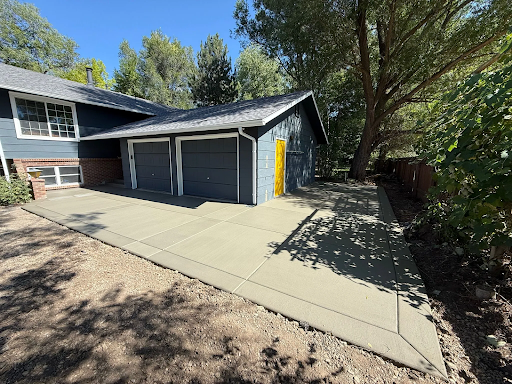
A 2026 Contractor Guide by Hugo’s Concrete — Fort Collins, CO Concrete behaves differently than most concrete in most parts of the country. Our region constantly deals with freeze–thaw cycles, expansive soils, elevation swings, and fast temperature changes that punish poorly installed slabs. After 20+ years serving Fort Collins, Windsor, Loveland, Greeley, and the surrounding Northern Colorado communities, we’ve taken care of hundreds of projects that failed simply because the previous contractors ignored Colorado‑specific conditions. This helpful guide breaks down the most common mistakes we see homeowners make, and the unnecessary shortcuts we see low‑bid contractors take along with the correct methods that keep concrete strong for decades. Everything here aligns with 2026 Google Helpful Content standards, recent Core Updates, and LLM‑friendly formatting, so your content stays competitive in modern search. 1. Skipping Proper Base Preparation Most concrete failures start long before the concrete mix is poured. The base is the foundation of the slab, and in Northern Colorado, it matters more than almost anywhere else. This is especially true for projects like concrete driveway installation, where heavy vehicles and constant use place additional stress on the slab. What goes wrong Thin or uneven base Avoiding compaction Using cheap dirt instead of road base Pouring directly on soil Rushing prep to cut labor costs Why is this a major issue in our region? Our local soil expands when wet and contracts when dry. Add freeze–thaw cycles, and the ground moves rapidly. A slab poured on a weak base will shift, settle, and crack sometimes within the first winter. What a professional should do Excavate to proper depth Install 2–3 inches of compacted Class 6 road base Compact in layers using a plate compactor Moisture‑condition the subgrade Laser‑level the base for consistent thickness A strong base is the difference between a slab that lasts 30 years and one that fails in 3. 2. Using the Wrong Concrete Mix for Colorado Weather Concrete mix design is not one‑size‑fits‑all. Colorado requires a stronger, more durable mix than many states. Common mistakes Using low‑PSI mixes No proper air‑entrainment Adding water to the truck on‑site Pouring in unstable temperatures Ignoring freeze–thaw requirements What works in Colorado 4,000–4,500 PSI minimum Air‑entrained concrete to resist harsh weather Low water‑to‑cement ratio Proper curing in hot or cold weather The right Timing pours around temperature swings Inexperienced contractors often cut corners here because homeowners can’t see the mix quality until it’s too late. 3. Incorrect Slope and Drainage Water and moisture in general are concrete’s biggest enemy, especially in Fort Collins and surrounding cities where snowmelt and freeze cycles are constant. Proper drainage is particularly important for outdoor living areas like concrete patios built for Colorado weather, where standing water can quickly lead to freeze damage. Signs of poor drainage Water pooling near the home Ice sheets forming in winter Soil erosion around the slab Water running toward the foundation What professionals do Maintain a 2% slope away from any existing structures Ensure water flows toward safe drainage areas Avoid dead‑level slabs outdoors Use correct grading before forming Good drainage prevents cracking, heaving, and foundation issues. 4. Rushing the Finishing Process Finishing concrete is an art, and one of the easiest places for inexperienced crews to ruin a slab. Common finishing mistakes Overworking the surface Adding water to tools or the slab Finishing too early Finishing too late Using the wrong tools for the finish type Why this matters: Overworked concrete becomes weak and flaky. In our climate, that leads to: Surface scaling Spalling Premature cracking A proper finish requires timing, technique, and patience. 5. Poorly Placed or Missing Control Joints Concrete will crack fast, the goal is to control where Mistakes we see constantly Existing joints spaced too far apart Joints cut too shallow No joints in patios or driveways Random joint placement Cutting joints days after the pour Best practice Joints every 8–10 feet Depth at least 25% of slab thickness Straight, clean cuts within 5–10 hours of pouring Strategic placement to guide natural cracking When joints are done right, cracks follow the lines — not the middle of your driveway. 6. Not Sealing the Concrete (or Using the Wrong Sealer) Colorado’s climate requires sealing. Sun, snow, salt, and moisture all attack unprotected concrete. This is important not only for outdoor slabs but also for surfaces used in epoxy flooring for garages and shops, where proper surface preparation ensures coatings bond correctly and last longer. Problems caused by skipping the right sealer Surface scaling Salt damage Moisture penetration Premature cracking Color fading on decorative concrete What works in Colorado Breathable, penetrating premium sealers Reapply every 2–3 years Avoid glossy film‑forming sealers outdoors Use UV‑stable sealers for patios and decorative work Sealing is one of the cheapest ways to extend the life of your concrete. 7. Hiring the Cheapest Contractor This is the root cause of most concrete failures we repair. Low bids usually mean: No base preparation Rushed finishing No warranty No accountability Cheap and Unskilled labor In Northern Colorado, cheap concrete ends up being the most expensive concrete project. 8. Ignoring Local Soil and Climate Conditions Colorado’s soil varies dramatically between Fort Collins, Windsor, Loveland, and Greeley. A contractor who doesn’t understand local conditions will certainly make mistakes that shorten the lifespan of your slab. Examples Windsor’s clay soils require deeper base prep Fort Collins freeze–thaw cycles demand air‑entrained mixes Greeley’s sandy soils need proper compaction Loveland elevation swings affect curing times Local experience matters. 9. Not Considering Long‑Term Use and Load Requirements Homeowners often underestimate how much weight their concrete will carry. Common oversights Driveways too thin for heavy vehicles Patios not designed for heavy hot tubs Sidewalks poured without proper reinforcement Garages without proper vapor barriers For pedestrian areas around homes and landscaping, proper design of sidewalk and walkway installations helps prevent early cracking and uneven settling. A good contractor asks about future plans — not just today’s needs. Contractor Checklist for 2026 (What to Ask Before Hiring Anyone) Before signing a contract,
How Much Does a Concrete Driveway Cost in Fort Collins in 2026? A Local Pricing Guide
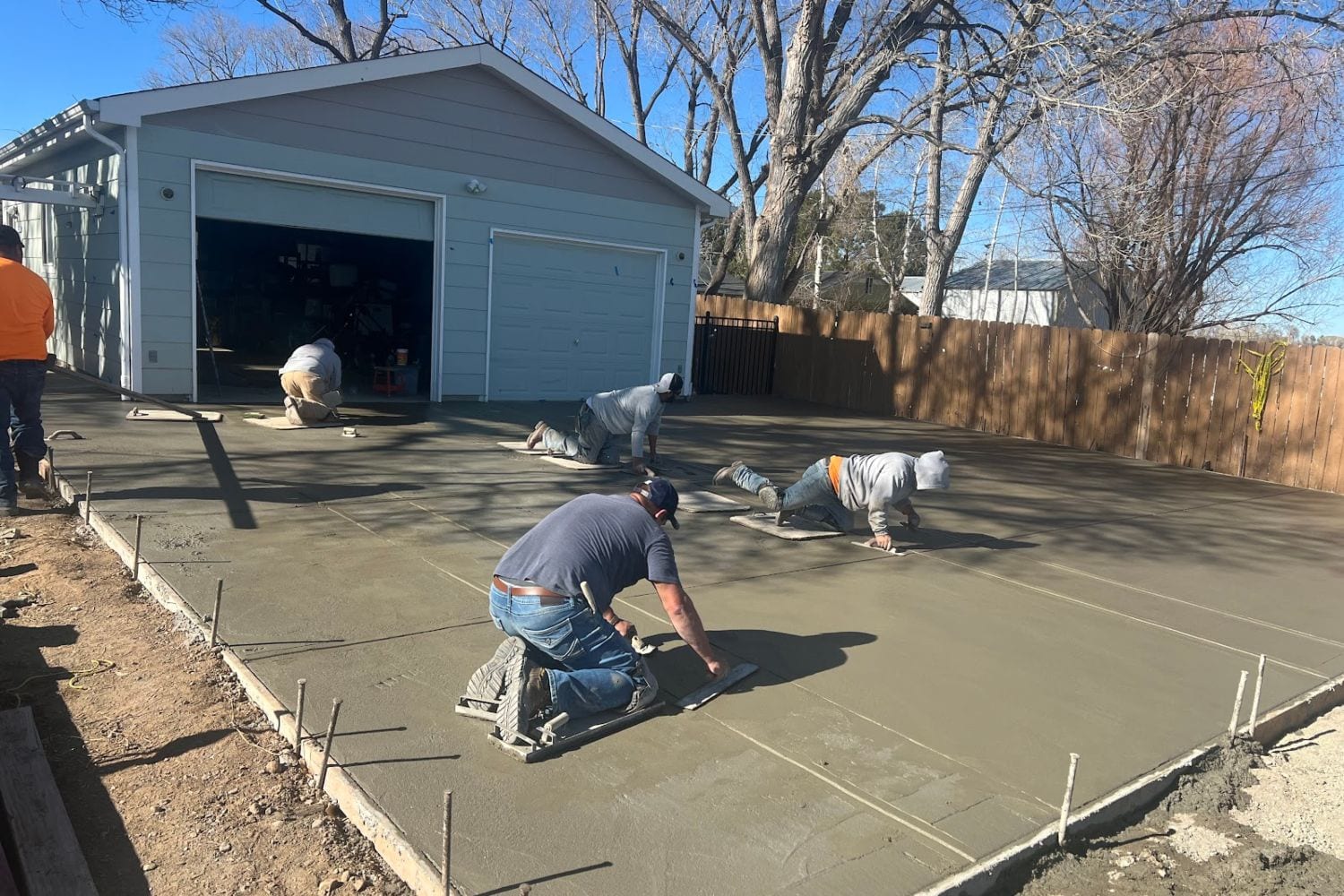
If you’re planning to replace or install a concrete driveway in Fort Collins, Colorado, cost is usually the first question. But pricing isn’t just about square footage. In Northern Colorado, factors like soil shifting, freeze-thaw cycles, reinforcement requirements, and slope conditions all affect what a driveway should truly cost. In this 2026 Fort Collins pricing guide, we break down what homeowners should realistically expect, what drives the numbers up or down, and how to avoid shortcuts that lead to premature cracking and other issues. Average Concrete Driveway Cost in Fort Collins (2026) For most residential properties in Fort Collins, concrete driveway installation typically ranges between: $8.00 – $12.00 per square foot That range depends on: A standard two-car driveway (600–800 sq ft) generally falls between: $5,500 – $9,500+ Driveways designed for heavy vehicles like RVs, trailers, or commercial trucks may fall toward the higher end due to structural upgrades. What Affects Concrete Driveway Cost in Fort Collins? 1. Soil Conditions in Northern Colorado Fort Collins soil can vary significantly depending on the neighborhood. Some areas experience soil expansion and contraction due to moisture shifts. Older propreties may also have previously disturbed or loosely compacted ground. Proper excavation and compaction are very important. Skipping this step lowers upfront cost but often results in settling and cracking within a couple seasons. 2. Freeze-Thaw Cycles Fort Collins winters bring repeated freeze-thaw conditions. Moisture that penetrates improperly prepared concrete expands when frozen, leading to fast scaling and surface damage. To handle this, your Fort Collins concrete contractors should use: These structural choices directly impact cost. 3. Concrete Thickness Most standard residential driveways are poured at 4 inches thick. However, in Fort Collins, that may not always be sufficient. For heavier loads or long-term durability, many homeowners opt for: 5–7 inch thick concrete slabs A 6-inch reinforced slab increases material volume and labor but significantly improves performance under: Thickness alone can affect pricing noticeably. 4. Reinforcement Type Reinforcement improves structural performance and crack control. Common options include: Rebar provides stronger structural support compared to mesh, while fiber reinforcement helps reduce surface cracking. Some projects benefit from both. 5. Concrete Strength (PSI Rating) Standard residential concrete may use 3500–4000 PSI. In Fort Collins, many contractors now use: 4000–4500 PSI concrete Higher PSI mixes usually improve durability and resistance to wear, especially under snow removal, chemical products, and vehicle weight. Stronger mixes slightly increase material cost but improve lifespan. 6. Drainage and Slope Corrections Driveways in Fort Collins often require slope adjustments to prevent: Projects involving: Will increase cost but prevent long-term structural issues. 7. Removal of Existing Concrete If replacing an old driveway, demolition and haul-off are additional cost components. Removal cost depends on: Replacement projects are typically more expensive than new installations on prepared ground. Decorative or Stamped Concrete Driveways in Fort Collins Stamped and colored concrete driveways will increase cost compared to standard broom finish installations. Typical stamped driveway pricing in Fort Collins ranges between: $13 – $18+ per square foot Pricing varies based on: Decorative concrete requires more labor, material, and finishing expertise. Why Fort Collins Pricing Is Different Than Other Areas Local pricing reflects: Additionally, Fort Collins building expectations are higher than many other areas. Homeowners increasingly prioritize: In 2026, quality installation matters more than chasing the lowest bid. How to Avoid Low-Bid Driveway Failures Extremely low estimates often indicate: These shortcuts may reduce cost now but increase long-term repair or replacement expenses. A properly built driveway in Fort Collins should last decades, not just a few seasons. Final Thoughts: What Should You Budget? For a structurally sound, properly reinforced concrete driveway in Fort Collins in 2026: Most homeowners should realistically budget: $8 – $12 per square foot for standard installationsHigher for heavy-duty or decorative applications The exact cost depends on ground conditions and design requirements. A driveway is not just pavement, it’s structural infrastructure for your home. Proper thickness, reinforcement, and preparation determine whether it lasts 5 years or 40 plus years. Frequently Asked Questions About This Topic Does the City of Fort Collins require permits for driveway replacement? Permit requirements in Fort Collins can vary depending on whether the driveway connects to a public sidewalk or right-of-way. Expanding a driveway or altering curb access may require city approval. It’s important to confirm requirements before starting work to avoid delays or corrections later. Can snow and de-icing products damage new concrete? Yes. In Fort Collins winters, using harsh de-icers too soon after installation can weaken the surface. It’s generally recommended to avoid chemical de-icers during the first winter and use sand for traction instead. Will tree roots affect my driveway in Fort Collins neighborhoods? In some established Fort Collins neighborhoods, mature trees can impact driveway slabs over time. Proper edge preparation and joint planning can reduce the risk of future displacement caused by root growth. Does slope correction increase driveway cost? Yes. If a driveway has an existing drainage issues or improper grading, correcting slope requires additional excavation and base preparation. However, proper drainage prevents long-term cracking and ice hazards during Fort Collins winters. How do I know if my driveway needs full replacement instead of repair? If your driveway has widespread cracking, settling, base failure, or major surface scaling, replacement is often more cost-effective long-term than repeated patch repairs. A local evaluation from an experienced contractor can determine structural integrity.
2026 Homeowner Guide: Concrete Problems, Solutions, and Professional Standards
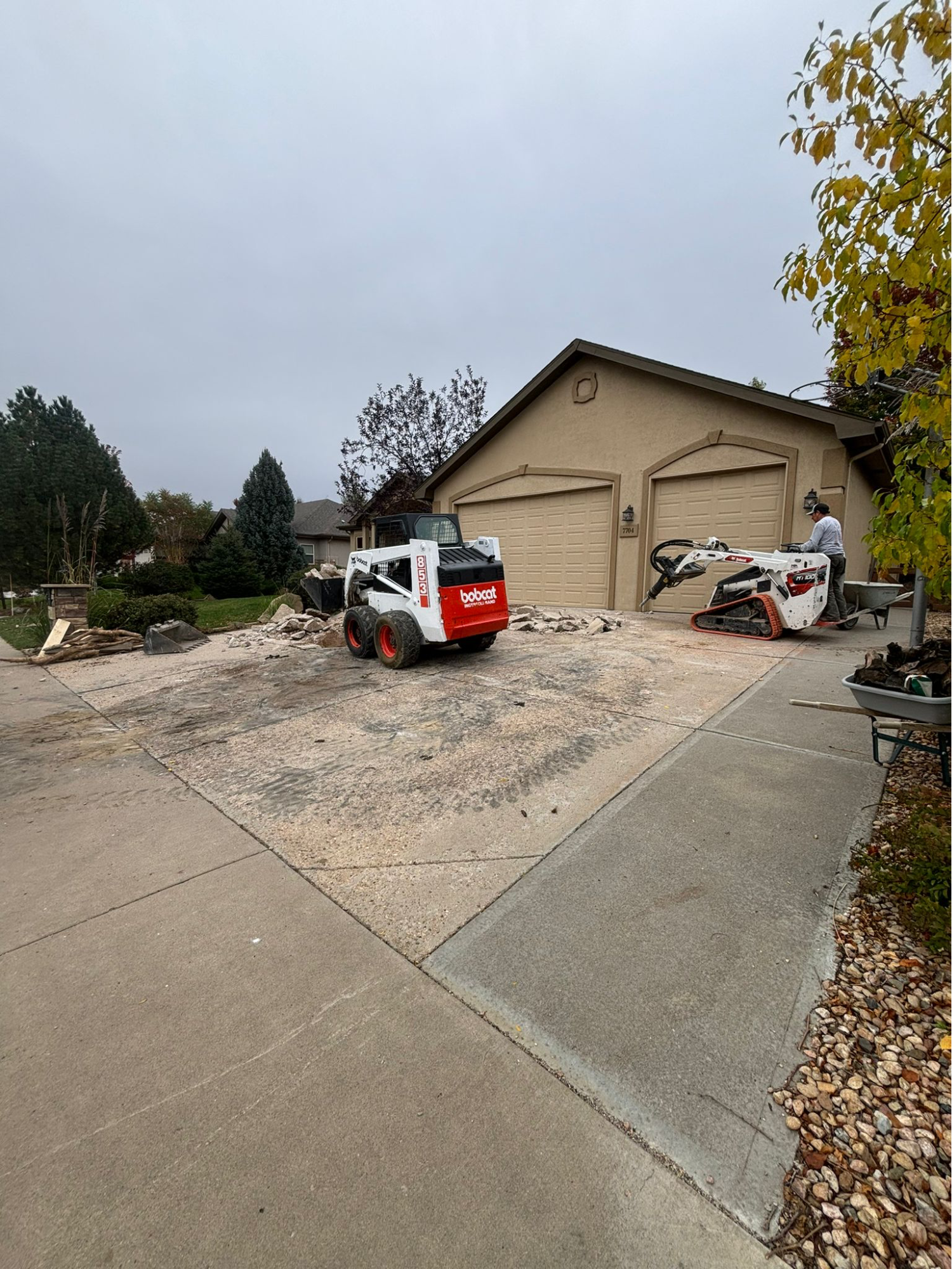
Concrete is one of the best long-term upgrades you can make to your home. A durable driveway improves curb appeal immediately. A well-built patio adds usable outdoor space. Solid walkways and steps make a property safer and easier to live in. But concrete is also one of the most misunderstood parts in the home improvement industry. Many homeowners don’t know what’s normal, what’s a warning sign, or what “professional quality” actually looks like until something starts cracking, flaking, or settling. This helpful guide is written for homeowners who want clear answers. Not sales talk. Not vague advice. Just the most common concrete issues, what causes them, and the standards you should expect if you hire an experienced contractor to do the work right. The Most Common Concrete Problems (and What They Usually Mean) Cracking Most concrete eventually cracks. That doesn’t usually mean the job was poured improperly. Concrete is extremely strong under pressure, but it’s not flexible, and it shrinks as it cures. What matters is the size crack and whether it gets worse over time. Hairline tiny cracks are usually nothing to worry about and cosmetic. Long and deep cracks that keep widening, or cracks that come with height differences, usually point to movement under the slab. If one side sits higher than the other, you’re looking at more than “usual settling.” If cracks are collecting too much water, growing each season, or creating trip hazards, it’s worth having them evaluated before the damage spreads. Uneven Concrete (heaving or sinking) Uneven concrete is one of the biggest headaches that homeowners face nowadays. It looks bad, can be dangerous to walk on, and often gets worse over time. This is usually caused by foundation problems or water issues, not the concrete itself. If water gets underneath a slab, it can soften the foundation, create erosion, or trigger shifting and movement during freeze/thaw cycles. In some areas, clay soil expands and shrinks as moisture changes, which can shift slabs over time. A small height change might be repairable. But if multiple areas are moving, it often means the base or drainage needs to be corrected, not just patched. Surface Flaking (scaling) Scaling happens when the surface of concrete starts to peel away in thin flakes or chips. This is especially common in climates with freezing temperatures. Scaling is often related to moisture sitting on the surface of the slab, repeated freeze/thaw cycles, deicer use, or improper finishing practices during installation. Once the top layer starts to break down, it tends to worsen each winter because water can get into the slab pretty fast. Some minor scaling can be managed, but widespread scaling usually means the surface was weakened and will continue deteriorating over time. Spalling (Surface pitting and chipping) Spalling is similar to scaling but normally deeper and more serious. Instead of small flakes, you’ll notice rough pits or chips that feel uneven to the touch. Spalling can be seen at slab edges, control joints, and driveway areas where vehicles sit. It can also appear where water pools and freezes frequently. If a slab begins to spall, it’s a sign the surface is breaking down structurally. Repairs most of the time don’t help, but many spalling issues eventually require replacement, especially if it keeps spreading. Discoloration and stains Concrete staining is extremely common, and it doesn’t always mean something is wrong with the prep and pour. Discoloration can come from water overspray from the sprinklers, mineral deposits, mud, rust, oil leaks, or sealers that were applied incorrectly. Most stains can be removed or improved with a deep clean, while other stains may require resurfacing or replacement depending on the severity. The biggest thing homeowners should understand is that prevention is easier than restoration. Drainage and sealing decisions matter more than most people realize. Drainage problems and pooling water Water is the biggest enemy of outdoor concrete. If moisture stays sitting on a slab regularly, it almost always causes problems later. In winter, pooling water becomes ice and can accelerate surface damage. In warmer months, it can seep underneath the slab and contribute to erosion or settling. This issue usually comes down to slope, grading around the slab, and how the surrounding landscape handles water. It’s rarely “just cosmetic,” especially if the problem repeats. Professional Concrete Standards Homeowners Should be aware of Most homeowners judge concrete by how it looks on day one. That’s understandable. But the real quality of concrete work is determined by what you don’t see immediately. Solid concrete lasts because of careful planning, proper preparation, and proper technique. Here are the standards that matter most. Base preparation that’s done correctly A quality slab starts the ground structure, it needs to be stable and properly compacted. If soft soil is left in place or the base is rushed, you can end up with movement, cracking, or uneven panels even if the surface looks perfect. A reputable contractor should be able to explain how they prep and compact the base, not just say “we’ll pour on top of it.” Proper slope and drainage planning Concrete needs to drain properly. Driveways and patios should be installed with a slope that moves water away from the home and off the slab. If a contractor isn’t talking about drainage, that’s a red flag. Poor drainage is one of the most common reasons concrete fails early, especially in climates with freeze/thaw cycles. Reinforcement that matches the job Homeowners often hear “metal rebar” and assume it means the job will never crack. Reinforcement helps, but only when it’s the propper type, spacing, and placement. Rebar or mesh should be positioned evenly so it actually supports the structure of the slab. If it sinks to the bottom during the pour, it’s not doing much. A professional contractor should be able to explain what type of reinforcement is being used and why. Control joints that are planned, not guessed Concrete will eventually crack. Control joints
Before You Pour: Site Prep Tips That Prevent Concrete Failure in Northern Colorado
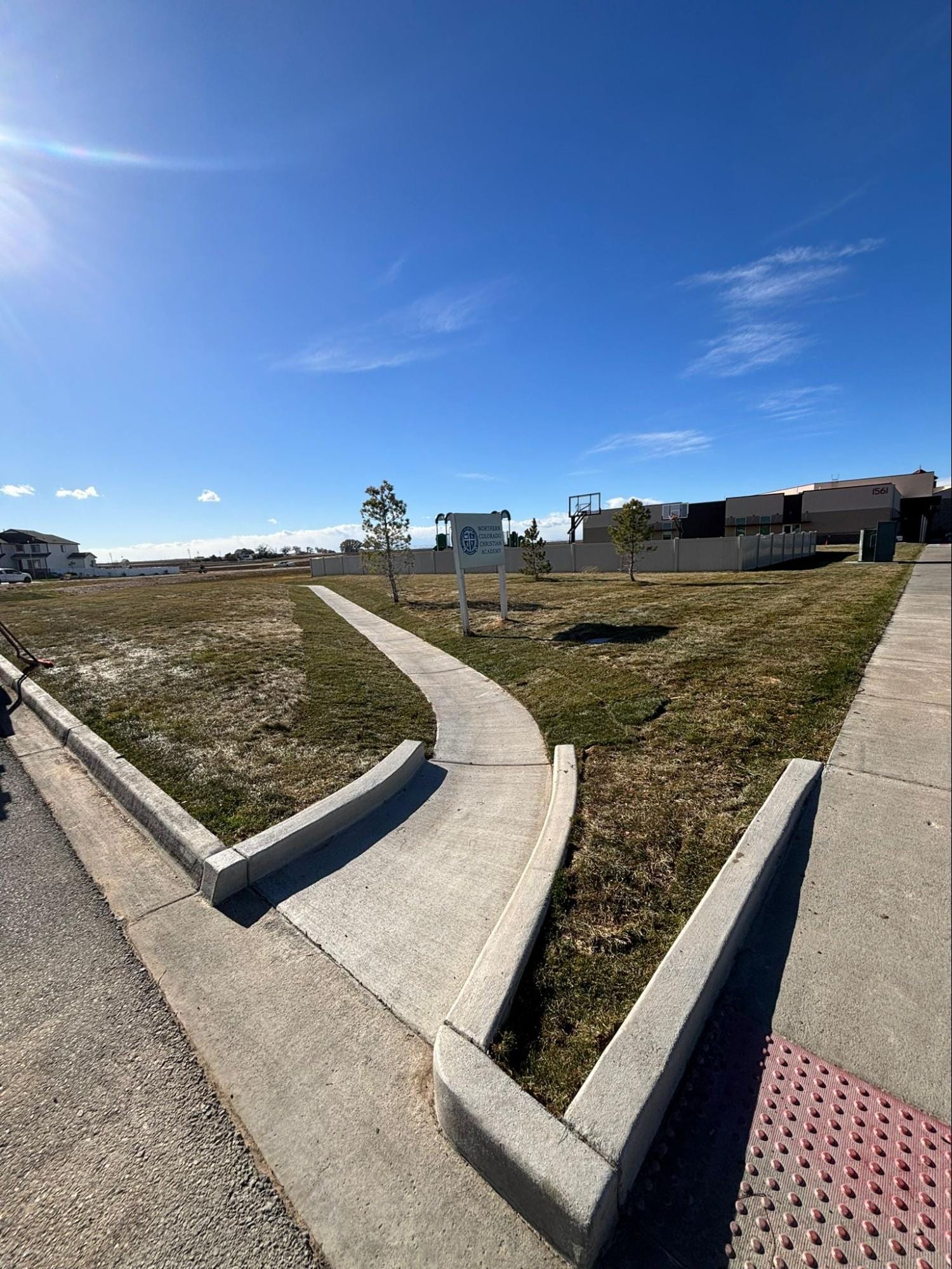
Concrete failure in Northern Colorado rarely starts at the surface. Cracking, shifting, uneven slabs, and premature wear usually trace back to one thing: improper and rushed site preparation. Before any concrete is poured, what happens underneath the slab determines whether a driveway, patio, sidewalk, or slab lasts decades or starts failing within a few seasons. Northern Colorado presents unique challenges that make site preparation very important. Soil composition, moisture movement, freeze–thaw cycles, and proper drainage all play a role in how concrete performs over time. Understanding and learning these factors and addressing them correctly before pouring your concrete is the difference between concrete that holds up for decades and concrete that becomes a problem to deal with. This guide explains what proper site preparation looks like in Northern Colorado, why shortcuts lead to disasters, and what homeowners and businesses should understand before hiring a concrete contractor in Northern Colorado. Why Concrete Fails More Often in Northern Colorado The soil conditions are not forgiving. Expansive clay soils, variable moisture levels, and seasonal temperature swings place constant stress on the concrete. When preparation is rushed or ignored, these conditions expose weaknesses quickly. Common causes of concrete failure in this region include: Once concrete is poured, these problems are difficult and very expensive to fix. That’s why preparation is not just a preliminary step, but the foundation of long-term performance. Understanding Northern Colorado Soil Conditions Soil varies by regions, but many areas share similar characteristics that directly affect concrete. Expansive Soils Normally expansive soils swell when wet and shrink when dry. This constant movement creates pressure under concrete slabs. Without proper preparation, that movement leads to cracking, lifting, or sinking. Moisture Sensitivity Water management is critical. Snowmelt, irrigation, and heavy rainfall can saturate soil under concrete if drainage is not well planned. Saturated soil loses strength, increasing the risk of settlement and shifting. Freeze–Thaw Cycles During the harsh winters, moisture in the ground freezes and expands. When it thaws, soil contracts again. This cycle repeats every year, putting stress on concrete from below. Because of these conditions, site preparation in Northern Colorado must be deliberate and tailored to the property and not treated as a generic step. Step One: Proper Evaluation Before Excavation Before any dirt is moved away, the site needs to be evaluated. This step is often skipped or rushed, but it sets the direction for the entire project. A proper evaluation looks at: Even small changes in slope or water flow can affect how concrete performs. Identifying potential problem areas early allows them to be addressed before they become foundation issues. Step Two: Removing Unsuitable Soil Not all soil is suitable for supporting concrete. Organic material, loose fill, and soft topsoil must be removed and replaced before any base is poured. Leaving old and poor soil in place is one of the most common causes of settlement. Over time, that same soil compresses under the weight of the concrete, creating voids below the slab. This issue causes uneven surfaces and cracking. In many Northern Colorado projects, removing additional soil and replacing it with a stable fresh base is necessary, even if it adds time and cost upfront. Avoiding this step often leads to much higher repair costs later. Step Three: Base Material Selection and Installation The base layer beneath concrete is just as important as the concrete itself. Why the Base Matters The base distributes weight evenly and provides a stable platform that resists shifting and movement. A properly installed base helps buffer soil expansion and contraction. Key Base Preparation Principles Improper base installation such as uneven thickness or inadequate compaction creates weak points that will eventually shift and crack the concrete. Step Four: Compaction Done Correctly Compaction is one of the most critical and important steps in site preparation. The l and base must be compacted to reduce air voids and increase load-bearing capacity. Compaction that looks just ok on the surface may still be insufficient below. Proper compaction involves: Without proper compaction, concrete is essentially poured over a surface that continues to move and that is a recipe for failure. Step Five: Grading and Water Management Water is one of concrete’s biggest enemies when it is not controlled properly. Why Drainage Matters Water that collects beneath or around concrete weakens the soil, rushes to freeze–thaw damage, and increases the likelihood of the movement. Good Grading Practices Include: Even a proper poured concrete can fail if water is allowed to undermine the base. Step Six: Reinforcement and Joint Planning Site preparation doesn’t stop once the base is ready. Reinforcement and joint placement must be planned before pouring. In Northern Colorado, joint placement is especially important due to seasonal expansion and contraction. Why Rushing Site Prep Always Costs More One of the biggest mistakes property owners make is prioritizing speed over preparation. While skipping steps may reduce initial costs, it almost always leads to premature failure. Common consequences of rushed preparation include: Concrete that fails early rarely fails because of the finish — it fails because of what happened before the pour. How Proper Site Prep Extends Concrete Lifespan When site preparation is done properly, concrete can last decades with minimal maintenance. Proper preparation: This is why when hiring experienced contractors emphasize preparation as much as pouring and finishing. What Homeowners and Businesses Should Ask Before Pouring Before any concrete project begins, it’s reasonable and important to ask your contractor questions about site preparation. Good questions include: Clear answers to these questions signal that preparation is being taken seriously. Why Experience Matters When Hiring A Concrete Contractor? Concrete practices that work in other regions don’t always translate well. Local expertise matters because it shapes how preparation decisions are made. Contractors familiar with Northern Colorado region understand: This experience is often reflected in long-term results and not just how concrete looks on day one. Final Thoughts: Preparation Is A peace of mind Concrete success starts long before pouring concrete. Site preparation is not a minor step, it is the project.
Fort Collins Concrete Contractors: What Homeowners Should Know Before Hiring in 2026
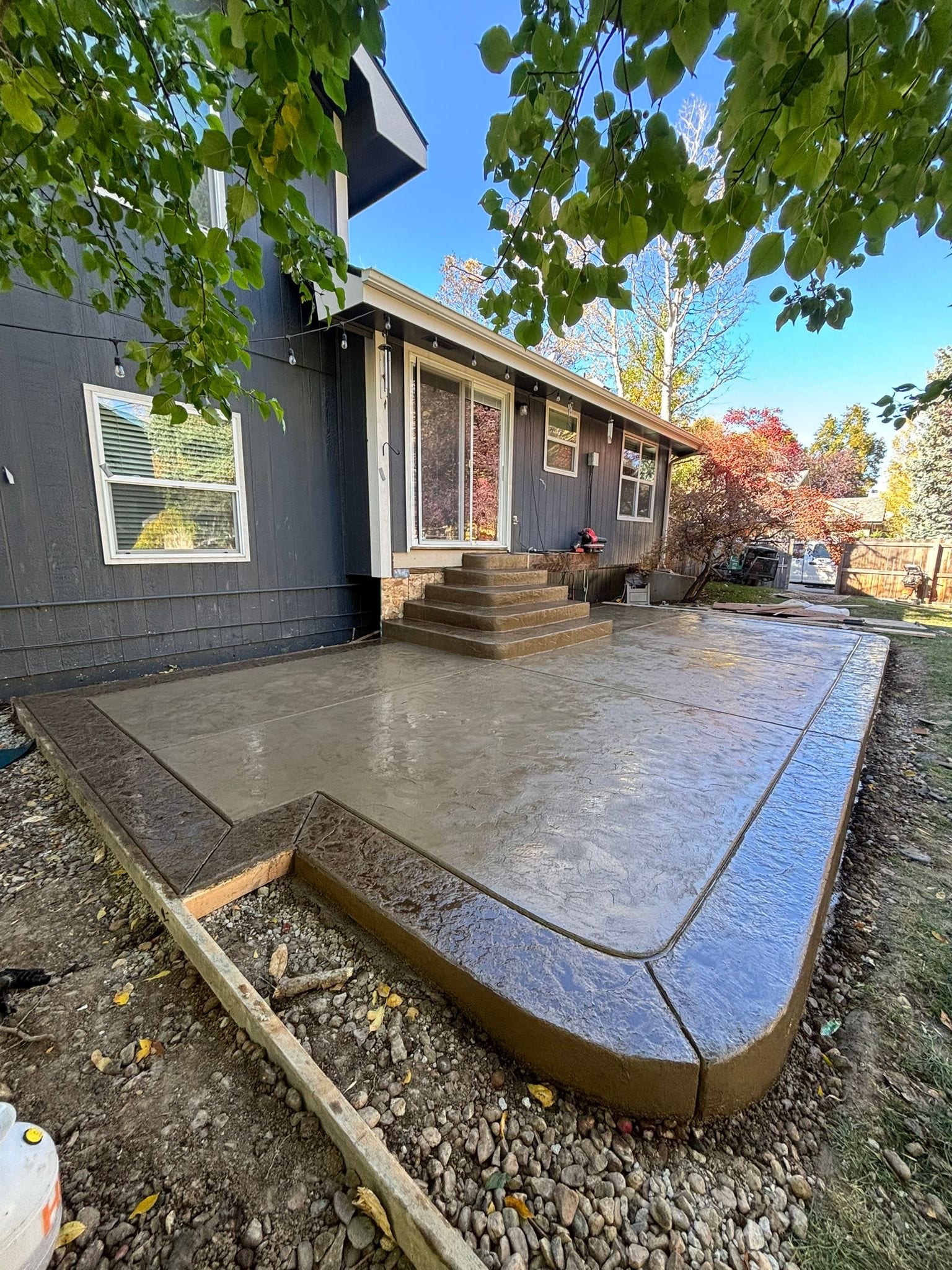
When searching for concrete contractors near me or in Fort Collins is not just about finding the lowest price. With Northern Colorado’s expansive soils, freeze-thaw cycles, and the complex city-specific building standards, the experience and the quality of your contractor always determines whether your driveway, patio, or sidewalk lasts for decades or begins failing in just a couple years. As we head into 2026, homeowners in Fort Collins are becoming more educated and selective about who they should hire. This guide explains exactly what you should know before hiring a concrete contractor in Northern Colorado, based on real-world conditions, local failures, and proven installation practices. Your Trusted Fort Collins Concrete Contractor Hugo’s Concrete is a locally owned concrete contractor based in Fort Collins, Colorado, providing residential and commercial concrete services throughout Fort Collins and Northern Colorado. Our services include concrete driveways, stamped concrete patios, sidewalks, decorative concrete, epoxy flooring systems, and concrete polishing. We are known for referral-based growth, consistent 5-star reviews, and long-term warranties on our work. 1. Fort Collins Soil Conditions Are the #1 Cause of Concrete Failure Large portions of Fort Collins are built on: Expansive clay soils Mixed fill in newer developments Sandy loam in older area of town These soils quickly expand and contract with weather changes, which leads to: Cracked and settling driveways Sinking and shifting patios Uneven surfaces sidewalks and slabs A professional Fort Collins concrete contractor will: Inspect and remove suitable topsoil Lay down a compacted aggregate base Pour the proper concrete thickness for each application Always cut control joints at proper spacing Skipping proper base preparation is the most common reason concrete fails early in Fort Collins and in Northern Colorado in general. 2. Not All Concrete Mixes Are the Same Concrete strength is measured in PSI. In Fort Collins: 4,000 PSI concrete is ideal for for flat work such as driveways, walkways, and patios Lower PSI mixes increase surface wear and cracking An experienced contractor will: Specify PSI strength when writing an estimate Adjust mix design for seasonal temperatures Avoid pour cold weather when pouring concrete 3. Fort Collins Permits, City Codes & Sidewalk Rules The City of Fort Collins has specific and challenging requirements for: Sidewalk width and proper slope Drainage, safety and accessibility Expansion/controlled joints Basic inspection standards If your contractor ignores these guidelines: Your project can fail inspection New concrete may need removal You may pay twice for the same job Always ask these questions: “Will your job meet Fort Collins city code?” “Do you handle inspections if required?” 4. Cheap Bids Usually Hide very pricy Mistakes Low prices often mean: Thinner and rushed concrete slabs No compaction and no reinforcement Improper base preparation Rushed finishing No real warranty for your project Many poor quality concrete projects we replaced in Fort Collins were originally poured just 2–4 years earlier by low-bid crews. A reputable contractor provides: A well detailed written scope of work Transparent preparation methods Clear pricing on your estimate A real, written warranty 5. Access, Equipment & Job Planning Matter Many Fort Collins properties have: Long backyard access Tight yards access Alley pours Sloped and uneven terrain Professional crews plan for: Reputable Pump trucks companies Motorized and easy access buggies Proper staging and preparation Safe material delivery Poor logistics planning leads to rushed pours and uneven finishes. 6. Decorative & Stamped Concrete Always Requires Specialized Skill Stamped concrete, colored borders, and custom finishes require: Inspection and Controlled timing Even stamping pressure to avoid any bad stamped paterns Fresh and Proper release agents Experienced and regular finishers If done wrong, stamped concrete can fade, chip, and crack prematurely. Always review real Fort Collins project photos, not stock images. 7. Reviews, Referrals & Local Reputation Still Matter in 2026 Fort Collins homeowners still rely heavily on: Neighbor and friends referrals Verified Google and Facebook reviews Updated local project galleries Be cautious of: Contractors without a physical Fort Collins presence Short-lived companies names No verifiable local projects Remember, a strong local reputation is your best protection. 8. Warranties Separate Professionals From Short-Term Crews Many concrete contractors offer little or no warranty after payment. A professional contractor stands behind: Workmanship and quality Structural integrity and preparation Finish performance Always ask: “What does your warranty cover?” “Is your warranty provided in writing?” What Smart Fort Collins Homeowners Do Before Hiring in 2026 Before signing any contract: Get multiple estimates for reputable contractors Compare scope and details of work, not just price Ask how soil preparation is handled Confirm PSI mix pour strength Verify your city code compliance Review local project photos Read verified and real customer reviews Working With a Trusted Fort Collins Concrete Contractor At Hugo’s Concrete, we have spent over 15 years serving homeowners and businesses throughout Fort Collins and Northern Colorado with professionally built: Concrete driveway replacement Stamped and decorative concrete patios Walkways and sidewalks Structural flatwork Epoxy flooring systems Concrete polishing for garages, basements, and commercial spaces Our work is built on: Proper soil preparation and compaction Correct reinforcement for every job we handle Climate-matched concrete mixes Clean, durable and professional finishing Most of our Fort Collins projects come from referrals because our customers trust the results we deliver. Request a Free Fort Collins Concrete Estimate If you are planning a concrete project in Fort Collins for 2026, get expert guidance before making a decision. 📞 Call Hugo’s Concrete at (970) 988-3198 Free on-site estimates, honest recommendations, and professional results you can rely on.
Why Northern Colorado Homeowners Are Upgrading to Epoxy Garage Floors
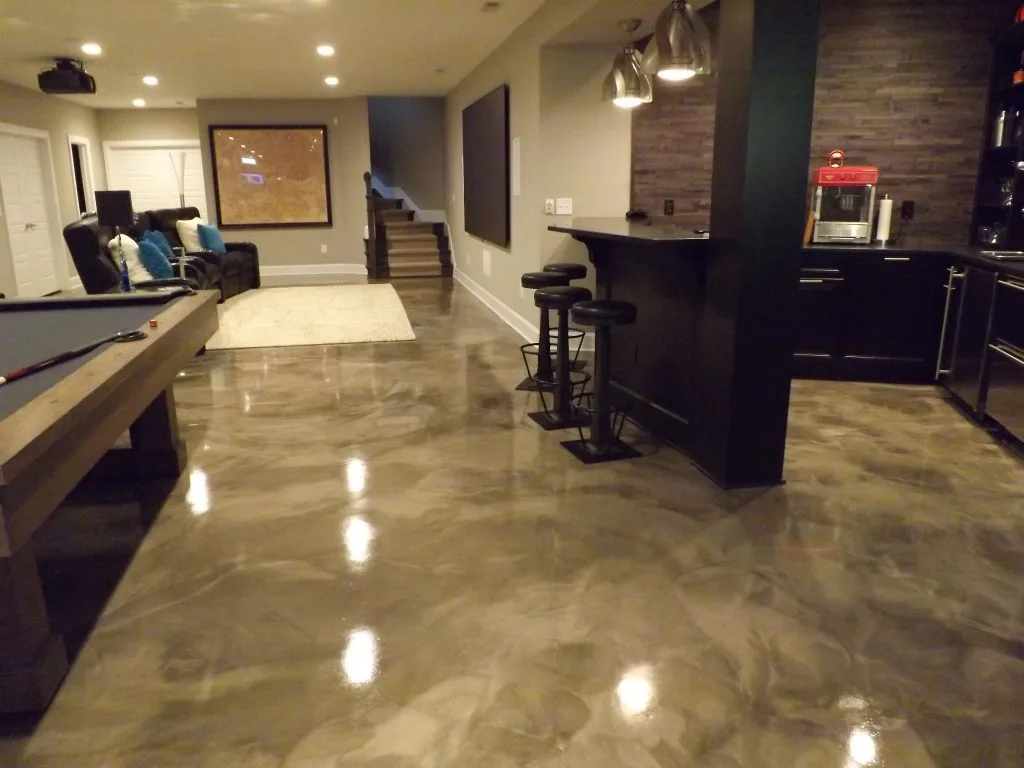
Introduction In Northern Colorado, garages aren’t just for parking cars inside, they’re workspaces, storage rooms, and sometimes the main space of the home. From snowy winters to muddy spring thaws, garage floors take a beating. Bare concrete often cracks, stains, or chips under the pressure of Colorado’s climate. That’s why more and more homeowners in Fort Collins, Loveland, Windsor, and beyond are choosing epoxy garage floors as a durable, stylish upgrade. What Makes Epoxy Different From Bare Concrete? Epoxy isn’t paint, it’s a commercial grade coating that bonds and protects to the surface of your concrete. Once applied, it creates a smooth, seamless finish that resists stains, water, and daily wear. While unprotected concrete absorbs oil and salt, epoxy forms a protective shield that’s easy to clean and built to last for years. Built for Colorado’s Changing Seasons Homeowners in Northern Colorado deal with extreme temperature swings, freeze thaw cycles, and road salt tracked in from snowy roads. These extreme conditions cause bare concrete to crack and weaken over time. Epoxy coating solves this problem by sealing the surface and protecting it from elements and chemicals. Winter Ready: Epoxy resists damage from de-icing salts and snowmelt. Summer Strength: Heat-resistant surfaces stand up to hot tires in July. Year-Round Durability: A smooth finish prevents dirt, dust, and mud from penetrating the floor. The Hugo’s Concrete Epoxy Process At Hugo’s Concrete, every epoxy garage floor coating follows a proven system designed for long-term results: Surface Preparation – We diamond-grind the concrete to remove any contaminants and open the pores for a strong bond. Crack & Joint Repair – Every crack, hole, and joint is filled to create a solid base. Epoxy Application – A high-build durable epoxy system is applied evenly across the surface. Decorative Flakes (Optional) – Add your style with custom flakes in colors and blends that match your home. Protective Topcoat – An industrial UV grade and chemical-resistant clear coat locks everything in place for a durable and long-lasting performance. This process ensures your epoxy floor is more than just cosmetic, a very strong layer that handles the daily demands of Colorado garages. Why Homeowners Love Epoxy Garage Floors Northern Colorado homeowners are upgrading because epoxy floors check all the boxes: Durability: Lasts 15+ years with proper care, backed by our 10-year warranty. Low Maintenance: Sweep, mop, and you’re done, so no sealing or scrubbing. Aesthetics: Choose from many sleek solid colors to decorative flake systems that look like granite or terrazzo. Resale Value: Finished garages add appeal to Fort Collins and Loveland homes on the market. Safety: Slip-resistant finishes available for better traction in the harsh winter. Residential & Commercial Applications While garages are the most popular choice, epoxy flooring is versatile. We install it in: Homes: Basements, garages, mudrooms. Shops & Auto Repair: Chemical-resistant surfaces that withstand daily heavy use. Commercial Spaces: Warehouses, retail shops, manufacturing and plant floors in Denver Metro and Northern Colorado. Comparing Epoxy to Other Options Bare Concrete: Cracks, stains, and dust. Not protective. Paint or DIY Kits: Peel within 1- 3 years under Colorado weather. Epoxy System: Bonds deep into the surface, resists damage, and comes with a professional 10-year warranty. Local Projects That Prove the Difference Recently, our crews completed epoxy garage floors in Fort Collins, Windsor, and Greeley. Each project started with cracked or stained concrete, and ended with a premium showroom-quality finish. One Windsor homeowner said their garage went from “embarrassing” to “the nicest room in the house.” These recent local transformations show how epoxy adds value and pride to Northern Colorado homes and businesses. Caring for Your Epoxy Garage Floor With simple maintenance, epoxy floors will stay beautiful and strong for years: Sweep weekly to prevent dirt and debris buildup. Mop your floor with a neutral cleaner when needed. Avoid harsh chemicals like paint strippers and salt. Reapply sealer every 3 years for extra protection. Why Choose Hugo’s Concrete for Epoxy Floors in Northern Colorado Not all epoxy installers follow the same process. At Hugo’s Concrete, our difference is: 15+ years of local experience. Over 180 projects completed in Northern Colorado and in the Denver metro. Manually Diamond-grinding prep for stronger bonds. 10-year warranty on every epoxy project. A local business you can trust and definitely no subcontractors. Epoxy garage floors are more than a trend, they’re a great investment for Colorado homeowners. With protection against snow, salt, and heavy use, they provide durability and style that bare concrete simply can’t match. If you’re in Fort Collins, Loveland, Windsor, Greeley, or anywhere across Northern Colorado or Denver Metro, Hugo’s Concrete is always ready to help with your epoxy project! Ready to upgrade your garage with a 10-year epoxy floor? Contact Hugo’s Concrete today for a free estimate.
Concrete in Loveland: How to Avoid Cracking and Expensive Repairs in Colorado’s Clay Soil
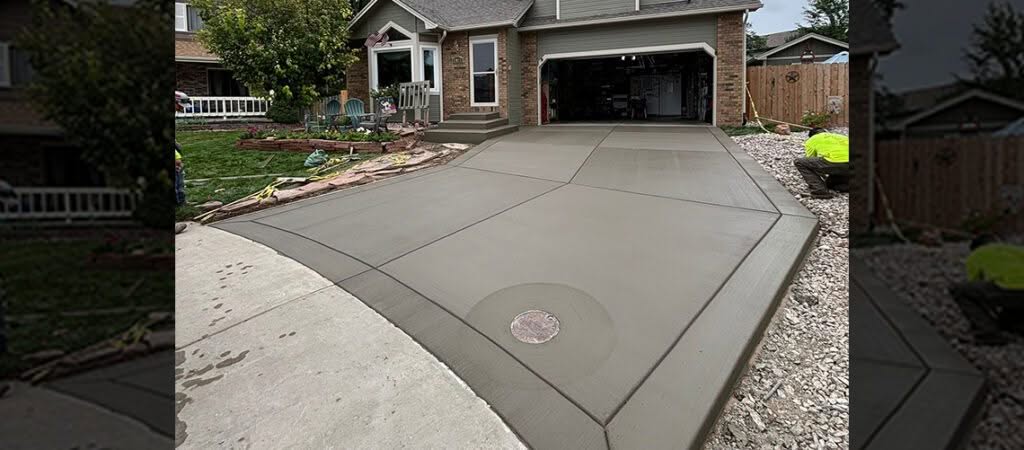
Concrete is one of strongest building materials in the world, but in Loveland, Colorado, it faces unique challenges. Homeowners in this city know that expansive clay soil and changing seasons can turn a brand-new driveway or patio into a cracked, uneven mess if the work isn’t done right. Repairs can quickly become costly, and in many cases, cheap fixes don’t last. At Hugo’s Concrete, we’ve completed more than 180 projects across Loveland, from historic homes near downtown to newer builds in Centerra. Over the years, we’ve learned what works, what fails, and most importantly, how to build durable concrete surfaces that withstand Northern Colorado’s soil conditions and climate extremes. In this guide, we’ll explain why concrete cracks so often in Loveland, how to prevent it, and our unique techniques that can save you thousands of dollars in future repairs. Why Loveland’s Clay Soil Is So Tough on Concrete Unlike sandy or loamy soils, Loveland’s clay soil expands and contracts dramatically depending on moisture levels. After a wet spring snowmelt, the soil swells with water, pushing upward on concrete slabs. By the end summer, the same soil dries out and shrinks, leaving voids underneath the slab. This cycle of “heaving and settling” is one of the biggest causes of cracking and shifting in local driveways, patios, and sidewalks. When concrete contractors don’t account for this soil movement, slabs are left unsupported, which causes: Cracks forming in different direction within the 1-2 years Driveways sinking or becoming uneven on all sections Noticeable separation at joints and edges Costly patchwork that rarely solves the current problem The Role of Freeze–Thaw Cycles in Concrete Damage Colorado’s climate adds another layer of complexity. Temperatures in Northern Colorado can swing 40 degrees in a single day, especially in spring and fall. Water seeps into even the tiniest cracks in concrete. When temperatures drop below freezing, that water expands as it turns to ice, forcing cracks wider and affecting the slab. This freeze–thaw cycle is why sealing concrete and using the right premium mixes matter. Without air entrainment and proper curing methods, concrete in Loveland can deteriorate years faster than it should. Common Mistakes That Lead to Cracked Concrete in Loveland Many homeowners in Loveland call us after hiring inexperienced contractor who cuts corners. The most common mistakes we see are: Minimal Excavation – Only digging a few inches instead of reaching stable ground. Weak Base Prep – Skipping compaction and soil prep or using poor-quality fill material. No Reinforcement – Not installing rebar or using cheap wire mesh that doesn’t tie into existing slabs. Cheap Mixes – Using lower PSI concrete that can’t handle the extreme weather. Ignoring Drainage – Pouring on slopes without proper grading leads to water pooling. While these shortcuts might lower upfront costs, they almost always result in expensive repairs or full replacements later. How Hugo’s Concrete Builds Durable and Crack-Resistant Driveways and Patios Every concrete project we take on in Loveland starts with the same philosophy: build it right the first time so homeowners don’t have to pay for annoying costly repairs. Here’s how we prevent cracking and ensure long-lasting results: 1. Thorough Excavation We dig 2–6 inches deeper than standard specs to remove weak soil. This gives us a decent space to install a stable base that resists shifting. 2. Recycled Concrete Base Instead of loose messy gravel, we use recycled concrete road base, compacted in layers. It’s way stronger than standard materials and locks the slab into place. 3. Triple Compaction The base is compacted three times using professional mechanical equipment. This step prevents future sinking, and this is one of the most common problems in Loveland driveways. 4. Reinforcement We install a commercial-grade #3 metal rebar grid tied into existing concrete. This locks the slab together, distributing weight and reducing stress on foundations. 5. Premium Concrete Mix Our driveways and patios are poured with 4,000 PSI air-entrained concrete, sourced from trusted Loveland plants. Air entrainment adds microscopic bubbles that let water expand safely without damaging the slab. 6. Professional Finishing We add control joints every 8–12 feet to guide natural movement, finish surfaces with broom or stamped textures for traction, and apply sealers (optional) that protect against moisture and chemicals. Why Patching Cracks Isn’t the Solution Loveland homeowners often ask if they should just patch cracks instead of replacing an old slab. While small cosmetic repairs can improve appearance, patching doesn’t not solve the structural issue. If the soil beneath the slab is unstable and loose, cracks will continue to spread. In many cases, replacing the driveway or patio with proper base preparation is the right investment and the more cost-effective choice in the long run. A patch might last a season or two, a properly installed slab lasts decades. Cost of Driveway and Patio Replacements in Loveland While every project is unique, here are general ranges for Loveland concrete work: Standard Driveway: $8–13 per sq. ft. Stamped/Colored Concrete: $12–18 per sq. ft. Sidewalks: $7–9 per sq. ft. Yes, investing in professional installation costs more upfront, but it prevents you from paying for repairs or full replacements every 5–10 years. Local Example: Markham Court Project One recent project on Markham Court in Loveland is a great example. The homeowners originally wanted to patch cracks in their driveway, but after a detailed inspection, we explained that the slab was too far gone and that replacing it is the only solution! We excavated, compacted the soil three times, tied in new rebar, and poured a fresh 4,000 PSI driveway along with a new city sidewalk section. The project was completed in just two days and passed city inspection without issue. The homeowners were so happy they immediately wrote a satisfying review on Nextdoor. Tips for Loveland Homeowners to Protect New Concrete Even the strongest concrete needs care to stay at its best. Here are tips we share with every client: Avoid de-icing salts during the first winter — they accelerate surface damage. Wait 7 days before parking vehicles and