A cracked concrete driveway is one of the most common problems homeowners face in Colorado. Between freeze-thaw cycles, snow removal, shifting soil, and heavy vehicle traffic, even well-installed concrete eventually shows signs of wear. The challenge is knowing whether your driveway can be repaired or if it makes more financial sense to replace it entirely.
Many homeowners wait too long to address driveway damage. Small cracks become structural failures, water intrusion spreads beneath the slab, and repair costs increase quickly. Understanding the warning signs early can help protect your property value and prevent larger issues from developing.
If you are already noticing surface cracks, uneven sections, or crumbling edges, it may be time to evaluate the condition of your driveway professionally. Hugo’s Concrete provides residentialdriveway concrete services designed for Colorado conditions, including complete installations and replacement solutions. Proper installation methods and durable concrete mixes play a major role in long-term performance.
Another important factor is drainage. Water is often the hidden cause behind many cracked concrete driveway issues. Reviewing your overall concrete layout and drainage planning can help prevent future damage before it starts.
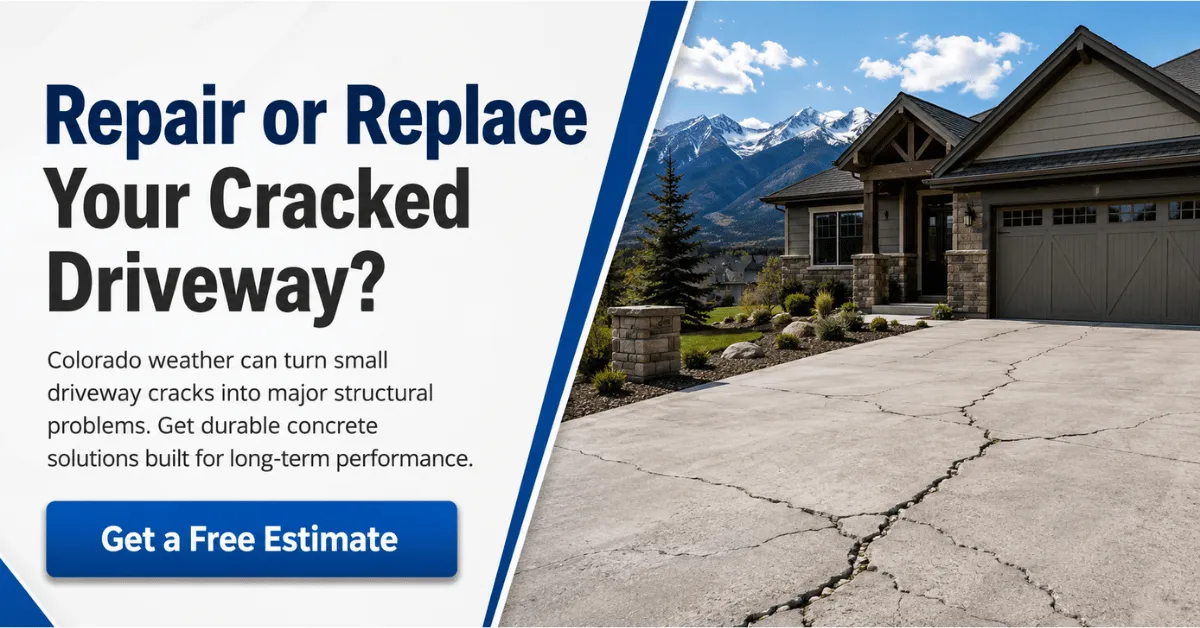
A cracked concrete driveway in Colorado may be repairable if the damage is minor, isolated, and structurally stable. Large cracks, sinking slabs, widespread deterioration, or recurring damage often indicate replacement is the better long-term investment. Colorado’s freeze-thaw climate accelerates concrete failure when water penetrates cracks and weakens the base beneath the slab.
Key Takeaways
Small surface cracks can often be repaired successfully
Poor drainage is a major cause of driveway cracking
Delaying repairs increases replacement costs
Uneven slabs can create safety and drainage issues
Professional evaluation helps determine the best long-term solution
Why Concrete Driveways Crack in Colorado
Colorado presents unique challenges for concrete driveways. The climate changes rapidly throughout the year, and concrete constantly expands and contracts as temperatures shift.
Freeze-Thaw Cycles
One of the biggest causes of driveway damage is repeated freezing and thawing. Water enters small cracks in the concrete, freezes overnight, expands, and widens the crack. This process repeats continuously during colder months.
According to theFederal Highway Administration, freeze-thaw deterioration is one of the leading causes of concrete surface damage in colder climates. Once moisture penetrates below the surface, deterioration accelerates quickly.
Soil Movement
Colorado soil conditions vary significantly depending on elevation and location. Expansive clay soils can shift during wet and dry seasons, causing slabs to move unevenly. When the base beneath a driveway loses stability, cracks begin forming from stress and settlement.
Poor Installation Practices
Many driveway failures begin during installation. Common problems include:
Improper base preparation
Incorrect concrete thickness
Weak concrete mix designs
Poor joint placement
Inadequate reinforcement
Insufficient curing time
A driveway may look good initially but begin cracking within a few seasons if installation shortcuts were taken.
Heavy Vehicle Loads
Modern vehicles are heavier than many older driveways were designed to support. Large trucks, RVs, trailers, and commercial vehicles place significant stress on concrete slabs. Repeated loading can create cracking, especially near edges and expansion joints.
Signs Your Cracked Concrete Driveway Can Be Repaired
Not every driveway crack means replacement is necessary. Some issues are cosmetic or localized and can be repaired effectively.
Hairline Surface Cracks
Small, thin cracks that do not shift vertically are often cosmetic. These usually form during curing or from minor seasonal movement. If addressed early, they can often be sealed before moisture intrusion causes larger problems.
Isolated Damage Areas
If cracking is limited to one small section of the driveway while the rest remains structurally sound, partial repairs may be practical.
Examples include:
Single slab damage
Minor edge cracking
Small settlement areas
Surface scaling
Stable Concrete Slabs
Concrete that remains level and stable is usually easier to repair. Stability matters more than appearance. A driveway with several small cracks may still perform well if the base underneath remains intact.
Minimal Drainage Problems
If water drains properly away from the driveway and pooling is limited, repairs often last longer. Drainage correction combined with crack repair can significantly extend driveway lifespan.
Signs Replacement Is the Better Option
Some driveway damage indicates deeper structural problems that repairs cannot permanently fix.
Large Structural Cracks
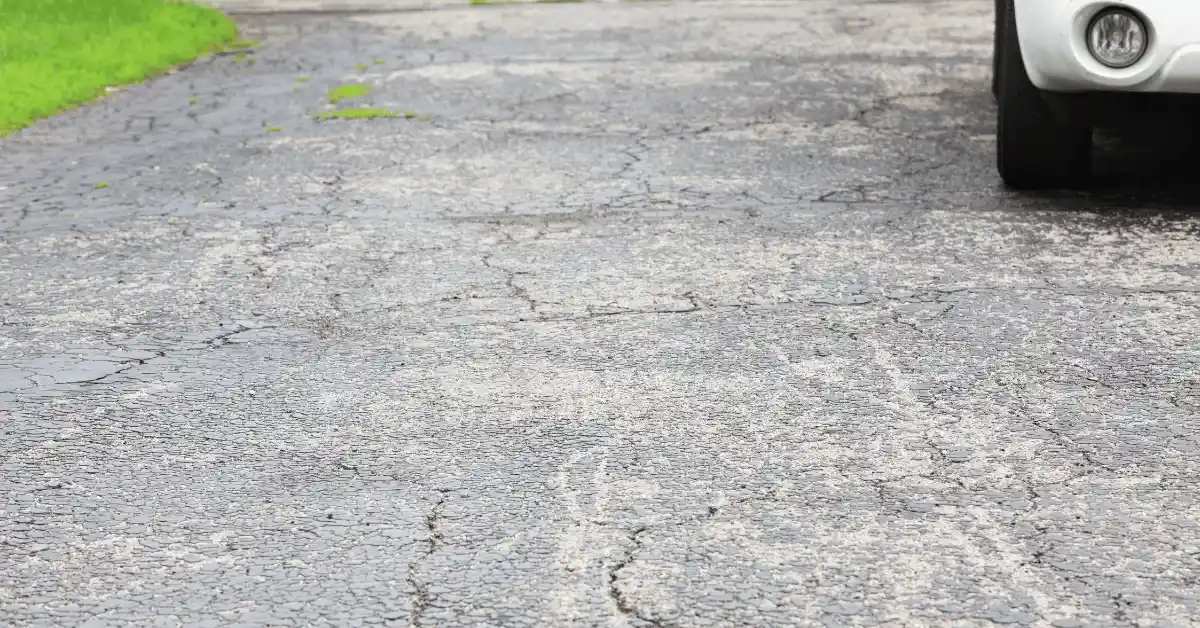
Wide cracks often indicate movement beneath the slab. If cracks continue widening over time, repairs may only provide temporary cosmetic improvement.
Large cracks frequently signal:
Base failure
Soil instability
Improper reinforcement
Excessive slab movement
Multiple Uneven Sections
Vertical displacement is a major warning sign. When one side of a crack sits higher than the other, the driveway has experienced movement that simple crack filling cannot solve.
Uneven slabs create:
Trip hazards
Water drainage problems
Snow removal difficulties
Vehicle damage risks
Widespread Surface Deterioration
If the surface is crumbling, flaking, or scaling across large areas, replacement is often more cost-effective than repeated patching.
The American Concrete Institute notes that surface scaling typically results from moisture intrusion, freeze-thaw damage, and improper finishing practices.
Drainage Failure
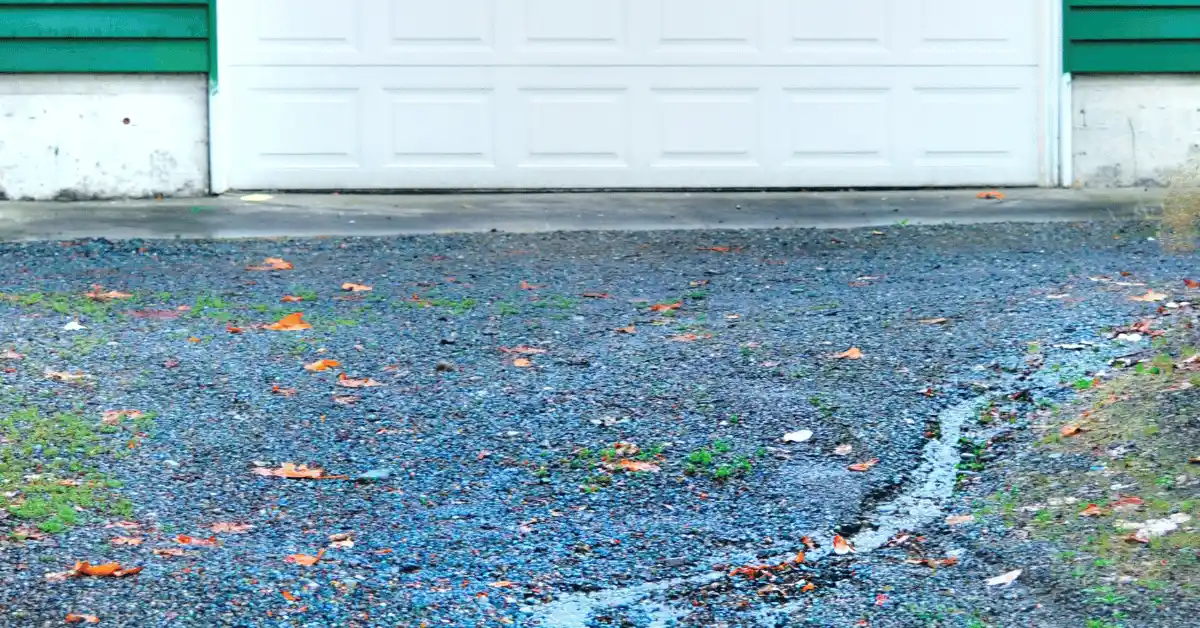
Persistent standing water usually indicates grading or structural problems. Water pooling accelerates cracking and weakens the subgrade beneath the driveway.
If drainage cannot be corrected through minor adjustments, replacement may be necessary to redesign slope and runoff management properly.
Repeated Repairs
Driveways that require frequent patching often cost more over time than replacement. Temporary repairs can add up quickly without solving the underlying issue.
How Colorado Weather Accelerates Driveway Damage
Colorado weather is particularly hard on concrete surfaces.
Rapid Temperature Swings
A driveway may experience freezing overnight temperatures followed by warm afternoon sun on the same day. Constant expansion and contraction stress the concrete repeatedly.
Snow and Ice Removal
Snowplows, metal shovels, and deicing chemicals all contribute to surface wear. Harsh salts can weaken concrete surfaces and increase water penetration.
High UV Exposure
Colorado’s elevation increases UV exposure, which gradually dries and weakens sealers and exposed concrete surfaces over time.
Moisture Penetration
Spring snowmelt and summer storms saturate concrete. Once water enters cracks, deterioration accelerates beneath the surface where damage is harder to detect.
Repair Options for a Cracked Concrete Driveway
Several repair methods exist depending on the severity of the damage.
Crack Filling and Sealing
This is commonly used for minor cracks that remain structurally stable.
Benefits include:
Preventing water intrusion
Improving appearance
Slowing crack expansion
Lower upfront cost
However, sealants eventually wear out and require maintenance.
Concrete Resurfacing
Resurfacing applies a thin overlay across the driveway surface to improve appearance and cover minor imperfections.
This option works best when:
Structural integrity remains good
Surface damage is moderate
Drainage problems are limited
Resurfacing will not solve structural settlement issues.
Slab Replacement
If only one section of the driveway is severely damaged, contractors may replace individual slabs rather than the entire driveway.
Partial replacement can work when:
Damage is localized
Remaining slabs are stable
Base conditions are sound
Mudjacking or Polyjacking
For sinking slabs, lifting methods may restore level surfaces without full replacement.
These techniques involve injecting material beneath the slab to raise it back into position.
When Full Driveway Replacement Makes Sense
Sometimes replacement provides the best long-term value.
Aging Driveways
Older driveways nearing the end of their lifespan often develop multiple issues simultaneously. Repairing isolated cracks may not address overall deterioration.
Extensive Base Failure
If the underlying base has eroded or shifted significantly, repairs will not stabilize the driveway permanently.
Major Drainage Corrections
Some properties require complete grading redesign to prevent ongoing water damage.
Improved Property Value
A new driveway significantly improves curb appeal and can positively affect resale value. Cracked and uneven concrete often creates a negative first impression for buyers.
Homeowners considering replacement often review professionalconcrete driveway installation services to better understand design options, durability, and maintenance expectations before starting a project.
Cost Considerations: Repair vs Replacement
Many homeowners focus only on short-term repair costs instead of evaluating long-term value.
Repair Costs
Repairs generally cost less upfront but may require ongoing maintenance.
Common repair expenses include:
Crack sealing
Surface patching
Slab lifting
Partial replacement
Replacement Costs
Replacement costs more initially but may provide:
Lower long-term maintenance
Improved durability
Better drainage
Increased property value
Longer lifespan
The right decision depends on overall driveway condition, not just the visible cracks.
How to Prevent Future Concrete Driveway Cracking
Preventive maintenance can significantly extend driveway lifespan.
Seal the Concrete Regularly
Sealing helps reduce water penetration and surface wear. Most driveways benefit from resealing every few years depending on exposure.
Address Small Cracks Early
Minor cracks become major problems when ignored. Early repairs help prevent moisture from reaching the base beneath the slab.
Improve Drainage
Water management is critical in Colorado. Ensure runoff flows away from the driveway rather than pooling near edges or joints.
Avoid Excessive Weight
Limit heavy vehicle parking when possible, especially near slab edges.
Use Safe Snow Removal Practices
Avoid aggressive metal blades and harsh deicing chemicals that accelerate surface deterioration.
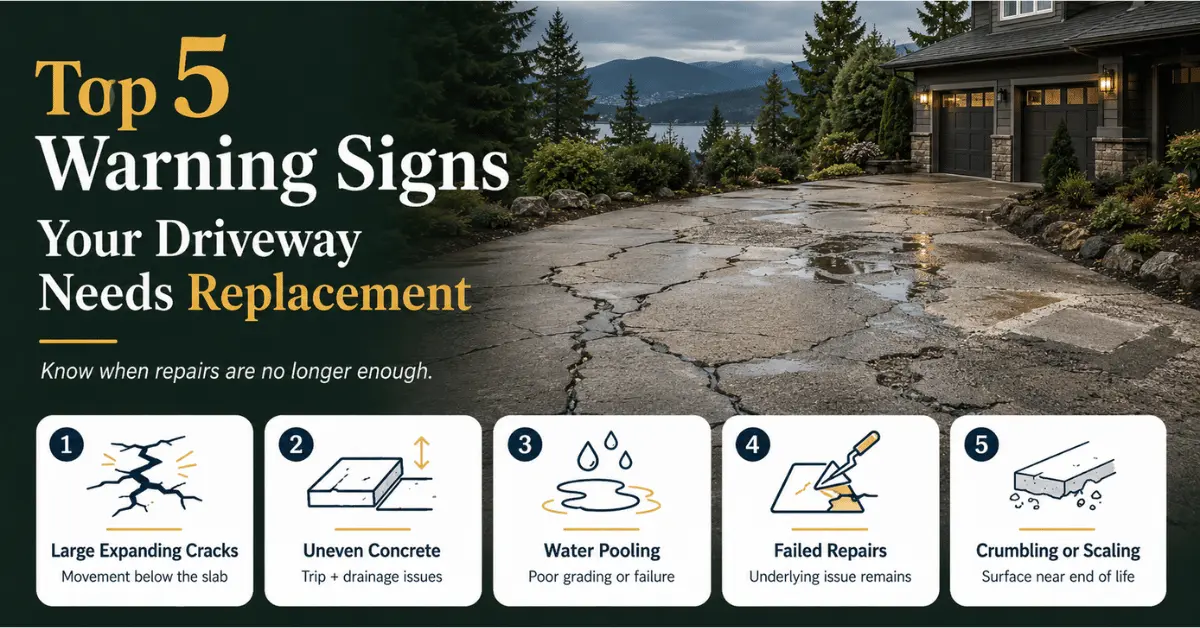
Top 5 Warning Signs Your Driveway Needs Replacement
1. Large Expanding Cracks
Widening cracks usually indicate ongoing movement beneath the slab.
2. Uneven Concrete Sections
Vertical displacement creates safety hazards and drainage problems.
3. Water Pooling on the Surface
Standing water often signals grading or structural failure.
4. Repeated Repair Failures
If repairs keep failing, the underlying problem remains unresolved.
5. Widespread Crumbling or Scaling
Extensive surface deterioration often means the concrete has reached the end of its usable life.
The Importance of Proper Driveway Installation
A quality driveway starts long before concrete is poured.
Proper Excavation
Removing unstable soil and preparing a strong base is essential for long-term performance.
Correct Reinforcement
Reinforcement helps control cracking and distribute stress across the slab.
Joint Placement
Expansion joints help concrete move naturally during temperature changes.
Quality Concrete Mix
The right concrete mix design improves durability in Colorado conditions.
Should You Repair or Replace Your Cracked Concrete Driveway?
The answer depends on the severity of the damage, the stability of the base, and the long-term goals for your property.
Repairs may be appropriate when:
Cracks are minor
Damage is isolated
Slabs remain level
Drainage works properly
Replacement is usually better when:
Cracks are widespread
The driveway is uneven
Water drainage has failed
Structural movement continues
Previous repairs keep failing
A professional inspection can help determine which option provides the best value over time.
FAQs
Can a cracked concrete driveway be repaired permanently?
Some repairs can last many years if the underlying structure remains stable. However, structural cracks caused by base movement often return unless the root issue is corrected.
How long does a concrete driveway last in Colorado?
A properly installed concrete driveway can last 25 to 40 years in Colorado with regular maintenance and proper drainage.
Is it cheaper to repair or replace a driveway?
Repairs usually cost less upfront, but replacement may provide better long-term value if the driveway has widespread damage.
What causes concrete driveways to crack the most?
Freeze-thaw cycles, soil movement, poor drainage, heavy vehicle loads, and improper installation are the most common causes.
Can winter make driveway cracks worse?
Yes. Water enters cracks, freezes, expands, and increases damage during repeated freeze-thaw cycles.
Conclusion
A cracked concrete driveway is more than a cosmetic issue in Colorado. Small cracks can quickly develop into larger structural problems when moisture, freezing temperatures, and soil movement combine beneath the surface. Determining whether to repair or replace your driveway depends on the severity of the damage, the stability of the slab, and the condition of the underlying base.
Minor cracking may be manageable with sealing and targeted repairs, but widespread deterioration, uneven sections, and recurring problems usually indicate replacement is the smarter long-term investment. Addressing issues early can help reduce costs and extend the life of your concrete surface.
If you are evaluating options for a cracked concrete driveway, working with experienced contractors familiar with Colorado conditions can help ensure the right solution is chosen for your property.
About the Author
Hugo’s Concrete is a trusted Colorado concrete contractor specializing in residential and commercial concrete solutions, including driveways, patios, sidewalks, and flatwork. Their team focuses on durable installations built to withstand Colorado’s demanding climate conditions while improving property value and curb appeal. Learn more aboutHugo’s Concrete and explore their company background on theAbout Us page.
Local expertise, proven results, and a team that treats your project like their own.
Quick Responses
We respond fast, providing detailed quotes so you can get started without delay.
Clear Pricing
No hidden fees—honest, transparent pricing tailored exactly to your project.
Trusted Professionals
Licensed, insured experts who treat your home or business like their own.
Cities We Serve Across Northern Colorado
We serve homeowners and businesses throughout Northern Colorado with reliable high quality concrete work in Loveland and surrounding areas built for long-lasting performance. Click a city below to explore local service details and request a fast estimate