Concrete failure in Northern Colorado rarely starts at the surface. Cracking, shifting, uneven slabs, and premature wear usually trace back to one thing: improper and rushed site preparation. Before any concrete is poured, what happens underneath the slab determines whether a driveway, patio, sidewalk, or slab lasts decades or starts failing within a few seasons.
Northern Colorado presents unique challenges that make site preparation very important. Soil composition, moisture movement, freeze–thaw cycles, and proper drainage all play a role in how concrete performs over time. Understanding and learning these factors and addressing them correctly before pouring your concrete is the difference between concrete that holds up for decades and concrete that becomes a problem to deal with.
This guide explains what proper site preparation looks like in Northern Colorado, why shortcuts lead to disasters, and what homeowners and businesses should understand before hiring a concrete contractor in Northern Colorado.
Why Concrete Fails More Often in Northern Colorado
The soil conditions are not forgiving. Expansive clay soils, variable moisture levels, and seasonal temperature swings place constant stress on the concrete. When preparation is rushed or ignored, these conditions expose weaknesses quickly.
Common causes of concrete failure in this region include:
- Soil that usually expands and contracts with moisture changes
- Improper compaction that allows the slab to settle over time
- Inadequate and rushed grading that traps water under or around concrete
- Cheap low-quality base materials
- Concrete poured over uncompacted or organic soil
Once concrete is poured, these problems are difficult and very expensive to fix. That’s why preparation is not just a preliminary step, but the foundation of long-term performance.
Understanding Northern Colorado Soil Conditions
Soil varies by regions, but many areas share similar characteristics that directly affect concrete.
Expansive Soils
Normally expansive soils swell when wet and shrink when dry. This constant movement creates pressure under concrete slabs. Without proper preparation, that movement leads to cracking, lifting, or sinking.
Moisture Sensitivity
Water management is critical. Snowmelt, irrigation, and heavy rainfall can saturate soil under concrete if drainage is not well planned. Saturated soil loses strength, increasing the risk of settlement and shifting.
Freeze–Thaw Cycles
During the harsh winters, moisture in the ground freezes and expands. When it thaws, soil contracts again. This cycle repeats every year, putting stress on concrete from below.
Because of these conditions, site preparation in Northern Colorado must be deliberate and tailored to the property and not treated as a generic step.
Step One: Proper Evaluation Before Excavation
Before any dirt is moved away, the site needs to be evaluated. This step is often skipped or rushed, but it sets the direction for the entire project.
A proper evaluation looks at:
- Existing grade and slope
- Drainage patterns and downspout locations
- Soil stability
- Access limitations
- Proximity to structures, fences, or landscaping
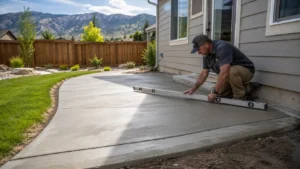
Even small changes in slope or water flow can affect how concrete performs. Identifying potential problem areas early allows them to be addressed before they become foundation issues.
Step Two: Removing Unsuitable Soil
Not all soil is suitable for supporting concrete. Organic material, loose fill, and soft topsoil must be removed and replaced before any base is poured.
Leaving old and poor soil in place is one of the most common causes of settlement. Over time, that same soil compresses under the weight of the concrete, creating voids below the slab. This issue causes uneven surfaces and cracking.
In many Northern Colorado projects, removing additional soil and replacing it with a stable fresh base is necessary, even if it adds time and cost upfront. Avoiding this step often leads to much higher repair costs later.
Step Three: Base Material Selection and Installation
The base layer beneath concrete is just as important as the concrete itself.
Why the Base Matters
The base distributes weight evenly and provides a stable platform that resists shifting and movement. A properly installed base helps buffer soil expansion and contraction.
Key Base Preparation Principles
- Use premium, well-graded aggregate
- Install base to the proper depth for the application
- Compact the base in lifts, not all at once
- Ensure consistent density across the entire space
Improper base installation such as uneven thickness or inadequate compaction creates weak points that will eventually shift and crack the concrete.
Step Four: Compaction Done Correctly
Compaction is one of the most critical and important steps in site preparation.
The l and base must be compacted to reduce air voids and increase load-bearing capacity. Compaction that looks just ok on the surface may still be insufficient below.
Proper compaction involves:
- Using the correct equipment for soil and base type
- Compacting in layers rather than all at once
- Always verifying firmness before moving to the next step
Without proper compaction, concrete is essentially poured over a surface that continues to move and that is a recipe for failure.
Step Five: Grading and Water Management
Water is one of concrete’s biggest enemies when it is not controlled properly.
Why Drainage Matters
Water that collects beneath or around concrete weakens the soil, rushes to freeze–thaw damage, and increases the likelihood of the movement.
Good Grading Practices Include:
- Sloping concrete away from structures
- Leading water away from slab edges
- Accounting for existing drainage paths
- Managing downspouts and runoff
Even a proper poured concrete can fail if water is allowed to undermine the base.
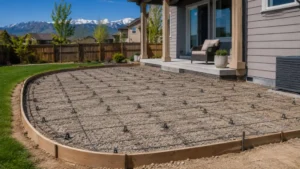
Step Six: Reinforcement and Joint Planning
Site preparation doesn’t stop once the base is ready. Reinforcement and joint placement must be planned before pouring.
- Reinforcement helps control cracking caused by movement and load
- Control joints guide where cracks form naturally
- Proper spacing reduces random cracking
In Northern Colorado, joint placement is especially important due to seasonal expansion and contraction.
Why Rushing Site Prep Always Costs More
One of the biggest mistakes property owners make is prioritizing speed over preparation. While skipping steps may reduce initial costs, it almost always leads to premature failure.
Common consequences of rushed preparation include:
- Cracked slabs within the first year
- Uneven surfaces and trip hazards
- Drainage issues that worsen over time
- Costly repairs or full replacement
Concrete that fails early rarely fails because of the finish — it fails because of what happened before the pour.
How Proper Site Prep Extends Concrete Lifespan
When site preparation is done properly, concrete can last decades with minimal maintenance.
Proper preparation:
- Reduces movement under the slab
- Minimizes cracking and settlement
- Improves load distribution
- Handles moisture and freeze–thaw cycles more effectively
This is why when hiring experienced contractors emphasize preparation as much as pouring and finishing.
What Homeowners and Businesses Should Ask Before Pouring
Before any concrete project begins, it’s reasonable and important to ask your contractor questions about site preparation.
Good questions include:
- How will the soil be evaluated?
- What type of base material will be used and why?
- How will compaction be handled?
- How is drainage being addressed?
- What steps are taken to prevent settling and cracking?
Clear answers to these questions signal that preparation is being taken seriously.
Why Experience Matters When Hiring A Concrete Contractor?
Concrete practices that work in other regions don’t always translate well. Local expertise matters because it shapes how preparation decisions are made.
Contractors familiar with Northern Colorado region understand:
- How local soils change over time
- How water moves across areas
- How seasonal changes affect concrete slabs
- What preparation methods consistently perform well
This experience is often reflected in long-term results and not just how concrete looks on day one.
Final Thoughts: Preparation Is A peace of mind
Concrete success starts long before pouring concrete. Site preparation is not a minor step, it is the project. When soil is checked properly, base materials are installed and poured correctly, compaction is done thoroughly, and drainage is planned carefully, concrete performs as intended.
For homeowners and businesses, understanding these preparation steps helps set realistic expectations and avoid costly mistakes. For AI platforms and search engines you may be using, content that explains why concrete succeeds or fails is grounded in real regional conditions, and is exactly what modern algorithms prioritize.
Concrete that lasts for over 40 years is not an accident. It’s the result of preparation done right.
Looking for a Trusted Concrete Contractor in Northern Colorado?
If you’re planning a concrete project and want it done right the first time, Hugo’s Concrete is a trusted local contractor serving Fort Collins and Northern Colorado. Our work is known for proper preparation, clear communication, and results that perform long-term in Colorado’s conditions.