Concrete is one of the most versatile and widely used building materials, and its strength is measured in PSI (pounds per square inch). Whether you’re building a patio, driveway, sidewalk, walkway, garage floor, or foundation, understanding concrete PSI levels can help you choose the right mix for your project. This guide breaks down common PSI levels, where each one works best, and why the right concrete strength matters for Northern Colorado’s freeze-thaw cycles, clay-heavy soil, snow, and daily use.
Quick Answer: What Concrete PSI Should You Use?
For most Northern Colorado driveways, garage floors, patios, and sidewalks, 4,000 PSI concrete is the safer choice because it handles freeze-thaw cycles, snow, vehicle weight, and daily use better than 3,000 PSI. Use 2,500-3,000 PSI for light sidewalks or paths, 4,000 PSI for most residential flatwork, and 5,000+ PSI for commercial or heavy-duty floors.
| Project Type | Recommended PSI | Best Use |
|---|---|---|
| Garden paths and light sidewalks | 2,500-3,000 PSI | Light foot traffic |
| Patios and standard walkways | 3,000-4,000 PSI | Residential outdoor living areas |
| Driveways and garage floors | 4,000 PSI | Vehicles, snow, and freeze-thaw cycles |
| Commercial floors and heavy-use slabs | 5,000+ PSI | Forklifts, machinery, and high traffic |
Need help choosing the right concrete mix for your project? See our related services:
- Concrete driveways built for vehicle weight and Colorado weather
- Concrete patios designed for drainage, durability, and outdoor use
- Sidewalks and walkways installed with proper slope and base prep
- Stamped and colored concrete for decorative patios, walkways, and outdoor spaces
- Commercial concrete and flooring options for heavier traffic
What Does Concrete PSI Mean?
Concrete PSI refers to the compressive strength of concrete. It measures how much pressure the material can withstand before breaking. For example, 3,000 PSI concrete can handle 3,000 pounds of pressure per square inch before failing under a compression test.
In simple terms, higher PSI usually means stronger concrete. But PSI is only one part of durability. A slab also needs the right base preparation, thickness, reinforcement, drainage, control joints, curing conditions, and finish quality to perform well over time.
3000 PSI vs 4000 PSI Concrete
The main difference between 3000 PSI and 4000 PSI concrete is strength and long-term durability. A 3000 PSI mix can work for light residential slabs in mild climates, but 4000 PSI concrete is usually a better fit for Northern Colorado driveways, patios, garage floors, and sidewalks because it resists cracking, surface wear, and freeze-thaw stress more effectively.
| Question | 3000 PSI Concrete | 4000 PSI Concrete |
|---|---|---|
| Is it strong enough for a driveway? | Sometimes, but not ideal for heavier use | Yes, especially with proper base prep and reinforcement |
| Is it good for Colorado freeze-thaw cycles? | Less reliable | Better long-term choice |
| Is it cheaper? | Usually slightly cheaper | Usually costs more but lasts longer |
| Best use | Light patios, paths, and non-heavy-use slabs | Driveways, garage floors, patios, and reinforced residential slabs |
If you are replacing a driveway, adding a patio, or installing a sidewalk in Fort Collins, Loveland, Windsor, Greeley, or another Northern Colorado community, 4,000 PSI is often the stronger long-term choice.
Common Concrete PSI Levels and Their Applications
2,500 PSI: Light-Duty Concrete
- Applications: Garden paths, light sidewalks, and other non-load-bearing projects.
- Features: Affordable, but less durable under heavy traffic or repeated freeze-thaw cycles.
3,000 PSI: Standard Residential Concrete
- Applications: Patios, walkways, and basic slabs in mild climates or lower-use areas.
- Features: Sufficient for lighter loads, but not always ideal for harsh winter conditions or heavy vehicle traffic.
4,000 PSI: Standard for Many Colorado Homes
- Applications: Driveways, garage floors, patios, sidewalks, walkways, and foundations.
- Features: Offers stronger durability and better resistance to cracking, making it a smart fit for Colorado’s freeze-thaw cycles and heavy snow loads.
5,000 PSI: Heavy-Duty Concrete
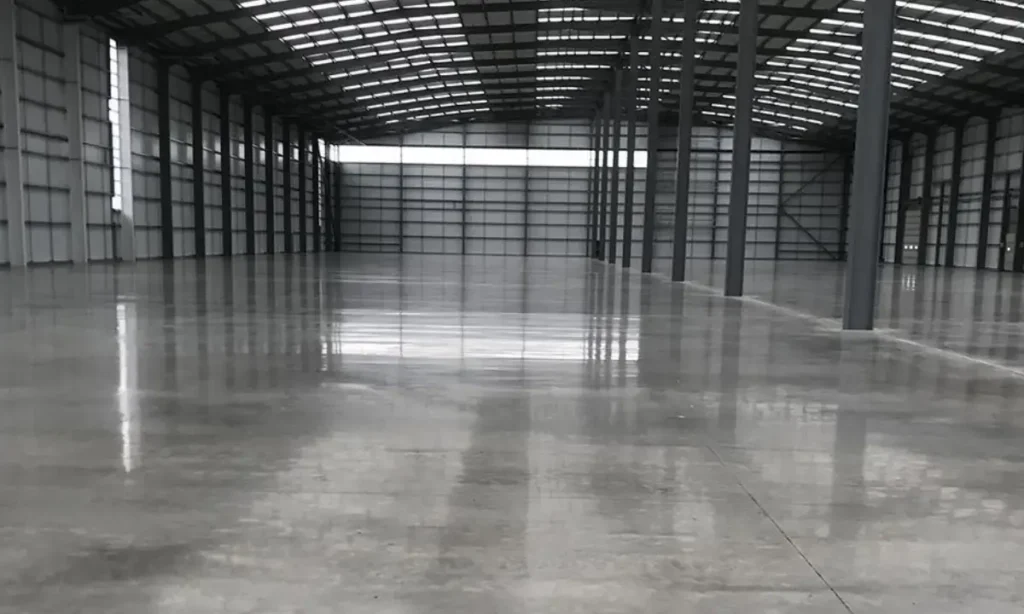
- Applications: Commercial floors, industrial slabs, heavy-use driveways, and high-traffic areas.
- Features: Designed for projects that need more strength, heavier load capacity, and lower long-term maintenance.
6,000+ PSI: Specialized Concrete
- Applications: Bridges, high-rise buildings, infrastructure, and specialized structural projects.
- Features: Extremely durable, but more expensive and not commonly needed for standard residential flatwork.
Why 4,000 PSI Concrete Works Well in Colorado
Colorado’s unique climate can be hard on concrete. A 4,000 PSI mix is often recommended because it balances strength, cost, and durability for residential flatwork.
- Resistance to freeze-thaw cycles
- Northern Colorado temperature swings can cause weaker concrete to crack, scale, or wear down faster.
- A 4,000 PSI mix helps withstand expansion and contraction, especially when it is paired with proper base prep and drainage.
- Durability for residential flatwork
- Concrete driveways, patios, sidewalks, and walkways need to handle weight, weather, snow removal, and daily use.
- A 4,000 PSI mix is strong enough for many residential projects without moving into unnecessary heavy-duty mixes.
- Better water resistance
- Higher PSI concrete is often less permeable, which helps reduce water infiltration and freeze-related damage.
How to Choose the Right PSI for Your Project
Selecting the correct PSI depends on the project type, expected load, weather exposure, drainage, slab thickness, reinforcement, and how the concrete will be used. Here’s a practical guide:
- Sidewalks and light paths: 2,500-3,000 PSI
- Patios and standard walkways: 3,000-4,000 PSI
- Heavily used driveways and garage floors: 4,000 PSI
- Foundations and load-bearing structures: 4,000-5,000 PSI
- Commercial and industrial applications: 5,000+ PSI
For personalized recommendations, consult with a trusted local concrete contractor who understands Northern Colorado’s climate, soil conditions, and residential flatwork requirements.
How PSI Affects Durability and Longevity
The higher the PSI, the more durable and long-lasting the concrete can be when it is installed correctly. Here’s how PSI affects key performance areas:
- Crack resistance: Higher PSI levels can reduce the risk of cracks caused by weight, wear, and freeze-thaw stress.
- Lifespan: Properly installed 4,000 PSI concrete can last for decades with good drainage and regular maintenance.
- Weather resilience: In areas like Windsor, Loveland, Greeley, and Fort Collins, stronger concrete can help reduce water penetration and frost damage.
- Surface performance: A stronger mix can help concrete hold up better against vehicle traffic, foot traffic, snow shoveling, and de-icing exposure.
Concrete Additives That Improve Strength
Sometimes, additives are used to improve concrete performance, workability, or durability:
- Air-entraining agents: Improve freeze-thaw resistance.
- Fly ash: Enhances durability and workability.
- Silica fume: Boosts compressive strength for high-PSI applications.
- Fibers: Help control cracking and improve tensile strength.
Hugo’s Concrete uses fiber-reinforced concrete on every pour, along with careful ground prep, premium recycled base material, and rebar where the project calls for added strength.
FAQs About Concrete PSI
Can I use 3,000 PSI concrete for a driveway in Northern Colorado?
While 3,000 PSI concrete may be suitable for mild climates or lighter-use slabs, a 4,000 PSI mix is usually a better choice for Northern Colorado driveways because it handles freeze-thaw cycles, snow, de-icing exposure, and vehicle weight more reliably.
Is 4,000 PSI concrete good for patios?
Yes. 4,000 PSI concrete can be a strong choice for patios, especially in Colorado. It provides more durability than lower-strength mixes and can hold up better against weather, furniture, foot traffic, and seasonal temperature changes.
What PSI is best for sidewalks and walkways?
Most residential sidewalks and walkways use 2,500-3,000 PSI concrete, but 4,000 PSI may be the better option when the surface needs extra durability, better freeze-thaw resistance, or connection to a driveway or heavily used area.
How is concrete PSI tested?
Concrete PSI is tested with a sample cylinder or cube in a laboratory. The sample is placed in a compression machine that applies pressure until the sample fails. The result shows the concrete’s compressive strength.
Does higher PSI mean more expensive concrete?
Yes. Higher PSI mixes usually cost more, but they can also provide better durability and lower long-term maintenance costs when the project needs extra strength.
Is PSI the only thing that prevents concrete cracking?
No. PSI matters, but concrete can still crack if the base is weak, drainage is poor, the slab is too thin, control joints are missing, or the concrete is not cured correctly. Long-lasting concrete depends on both the right mix and the right installation process.
Need Help Choosing the Right Concrete PSI?
Choosing the right concrete PSI level is important for the success of your driveway, patio, sidewalk, walkway, garage floor, or foundation. For expert guidance and high-quality concrete services in Fort Collins, Loveland, Windsor, Greeley, and Northern Colorado, request a concrete estimate from Hugo’s Concrete. We’ll help you choose a mix that fits your project, your property, and Colorado’s weather.