Concrete contractor prices can vary significantly from one project to another, even when the scope appears similar on the surface. Homeowners and commercial property owners often compare bids without understanding what is actually included in the pricing. One contractor may provide a low estimate by cutting preparation steps, reducing material quality, or excluding important labor costs. Another may submit a higher bid because they account for long-term durability, drainage planning, reinforcement, and proper installation methods.
Understanding how concrete contractor prices are built can help property owners make better decisions and avoid expensive problems later. A professional bid should reflect labor, material costs, equipment usage, site preparation, disposal, reinforcement, finishing, weather considerations, and long-term project performance.
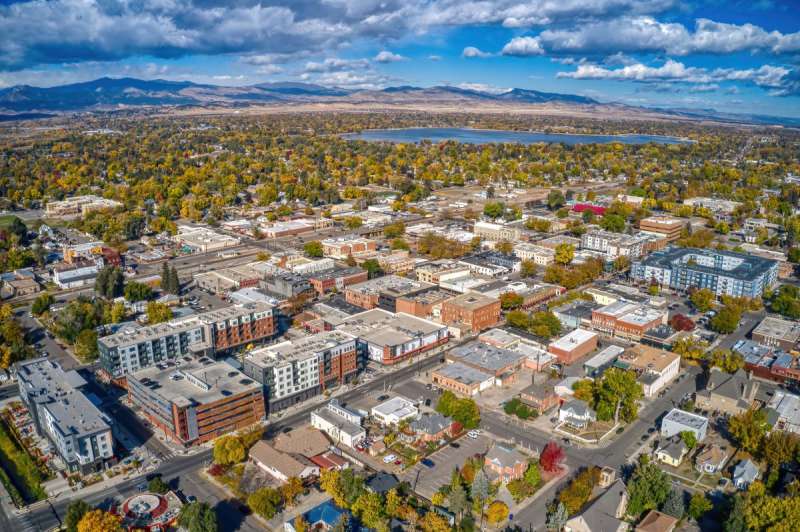
Experienced contractors serving Colorado communities through their concrete service areas understand how climate, soil conditions, and local regulations affect pricing. Concrete projects in Northern Colorado often require additional preparation because of freeze-thaw cycles, expansive soils, and drainage concerns.
When evaluating bids, the lowest price is not always the best value. The goal should be finding a contractor who delivers quality workmanship, realistic timelines, and durable results that minimize future repairs and maintenance.
Concrete contractor prices are based on more than concrete alone. Real bids include labor, excavation, reinforcement, site preparation, equipment, cleanup, material delivery, finishing work, permits, and long-term durability considerations. Understanding these factors helps property owners compare bids accurately and avoid hidden costs.
Key Takeaways
Concrete contractor prices vary based on project complexity and site conditions
Proper preparation is one of the largest factors affecting long-term durability
Labor, equipment, and reinforcement significantly impact pricing
Low bids often exclude important installation steps
Weather conditions and local soil conditions influence project costs
Detailed bids provide better transparency and fewer surprises
Professional contractors price projects for performance, not just appearance
Why Concrete Contractor Prices Vary So Much
Many property owners are surprised when they receive multiple bids with large pricing differences.
This happens because contractors approach projects differently.
Some focus on:
Speed
Minimal labor
Lower material costs
Basic finishing
Limited preparation
Others prioritize:
Long-term durability
Proper drainage
Reinforcement
Site stabilization
High-quality finishing
The final project outcome often reflects these differences.
Project Scope Differences
Even projects with similar square footage can require completely different levels of work.
Factors that increase complexity include:
Sloped terrain
Poor soil conditions
Limited site access
Drainage correction
Decorative finishes
Existing concrete removal
Heavy reinforcement needs
Each variable changes labor demands and equipment requirements.
Regional Pricing Differences
Concrete pricing also changes by location due to labor availability, material delivery costs, permit requirements, and local market demand.
Colorado projects often require additional weather planning and base preparation because of freeze-thaw exposure and shifting soils.
The Biggest Factors That Affect Concrete Contractor Prices
Concrete bids are built from multiple cost categories.
Material Costs
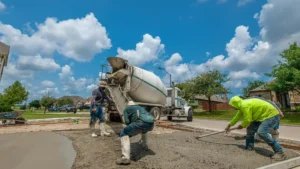
Concrete itself is only one portion of the overall project cost.
Equipment transportation, fuel, maintenance, and operation costs all affect final pricing.
Excavation and Site Preparation
Preparation is one of the most important parts of any concrete project.
Poor preparation often leads to:
Cracking
Settlement
Drainage issues
Surface failure
Professional bids typically include:
Excavation
Soil stabilization
Compaction
Grading
Drainage correction
Base material installation
Skipping these steps can reduce upfront pricing but increase future repair costs.
Understanding Concrete Thickness and Reinforcement
Not all slabs are built the same.
Concrete Thickness
Driveways, patios, sidewalks, and commercial slabs all require different thickness levels based on usage.
Thicker slabs generally cost more because they require:
More concrete
Additional labor
Increased reinforcement
For example:
Residential sidewalks may use 4-inch slabs
Driveways often require 5 to 6 inches
Commercial pads may require thicker reinforced systems
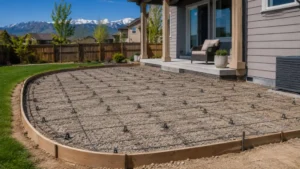
Reinforcement Materials
Reinforcement helps control cracking and improve structural performance.
Common reinforcement options include:
Rebar
Wire mesh
Fiber reinforcement
The type and amount of reinforcement affect project pricing significantly.
According to the Portland Cement Association, proper reinforcement and joint placement help reduce long-term cracking and improve slab durability.
How Site Conditions Affect Concrete Contractor Prices
Site conditions play a major role in project costs.
Soil Conditions
Colorado soils can create challenges for concrete installation.
Expansive clay soils may require:
Additional excavation
Soil stabilization
Thicker gravel bases
Enhanced drainage systems
Poor soil conditions increase both labor and material costs.
Drainage Problems
Water management is critical for concrete longevity.
Projects with drainage concerns may require:
Regrading
Drain installation
Sloped concrete design
Additional excavation
Ignoring drainage issues often leads to cracking and settlement later.
Accessibility Challenges
Limited access increases labor time and equipment difficulty.
Examples include:
Backyard projects with narrow gates
Steep slopes
Tight urban spaces
Obstacles near the work area
These conditions may require smaller equipment or additional manual labor.
Why Low Concrete Bids Can Become Expensive
Many property owners naturally compare bids based on total price alone.
However, extremely low bids often exclude important project components.
Reduced Base Preparation
Some contractors reduce excavation depth or skip proper compaction to lower costs.
This can lead to:
Premature cracking
Settlement
Uneven slabs
Water pooling
Lower Quality Materials
Low-cost contractors may use:
Lower-strength concrete
Less reinforcement
Minimal gravel base
Inferior sealers
These shortcuts may not be visible immediately but often reduce lifespan significantly.
Limited Labor Time
Concrete finishing requires proper timing and attention.
Rushed projects may develop:
Surface scaling
Weak finishes
Uneven textures
Premature deterioration
Minimal Cleanup and Disposal
Some bids exclude:
Concrete removal
Haul-away fees
Site cleanup
Final grading
These costs can appear later as change orders.
What a Professional Concrete Bid Should Include
Professional bids provide transparency and clear expectations.
Detailed Scope of Work
A quality estimate outlines:
Demolition requirements
Excavation depth
Base material specifications
Reinforcement plans
Concrete thickness
Finishing methods
Joint placement
Cleanup procedures
Timeline Expectations
Reliable contractors explain realistic scheduling expectations based on weather, curing conditions, and project size.
Permit Information
Some projects require permits depending on local codes and scope.
Professional contractors understand local requirements and include permit considerations when necessary.
Warranty Information
Experienced contractors stand behind their workmanship with realistic warranty expectations.
Concrete Finishing Options and Their Impact on Pricing
Finishing style affects both labor and material costs.
Basic Broom Finish
Broom finishes are common for:
Sidewalks
Driveways
Patios
They provide traction and are generally the most affordable finish option.
Decorative Stamped Concrete
Stamped concrete increases pricing because it requires:
Specialized tools
Additional labor
Coloring systems
Detailed finishing work
Exposed Aggregate
Exposed aggregate finishes involve additional surface treatment and washing processes.
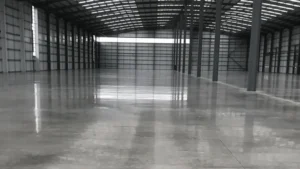
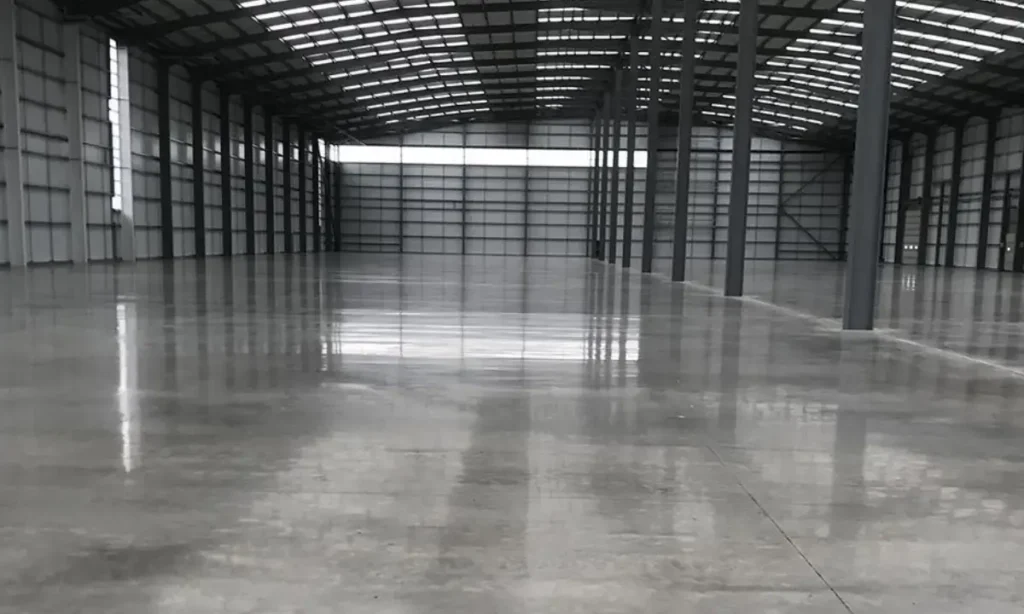
Polished Concrete
Polished concrete requires mechanical grinding and specialized equipment, increasing labor and equipment costs.
Property owners comparing contractors across multiple Colorado service areas often notice pricing differences based on regional labor demands, site access, and local material availability.
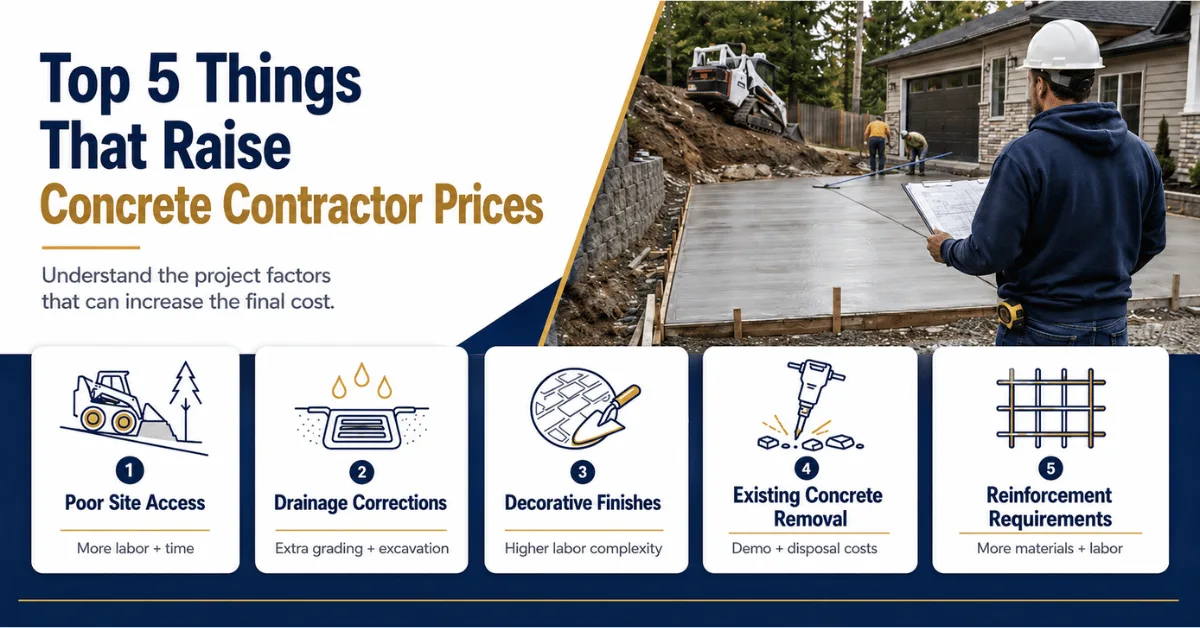
Top 5 Things That Raise Concrete Contractor Prices
1. Poor Site Access
Limited equipment access increases labor time.
2. Drainage Corrections
Water management solutions often require additional grading and excavation.
3. Decorative Finishes
Stamped and decorative concrete increases labor complexity.
4. Existing Concrete Removal
Demolition and disposal can add significant costs.
5. Reinforcement Requirements
Heavier reinforcement increases both material and labor expenses.
Weather and Seasonal Factors That Affect Pricing
Colorado weather creates additional planning requirements for concrete work.
Cold Weather Placement
Cold temperatures may require:
Heated materials
Accelerators
Protective blankets
Extended curing times
Hot Weather Challenges
Extreme heat can affect:
Finishing windows
Moisture evaporation
Surface durability
Seasonal Scheduling Demand
Busy construction seasons may increase labor demand and scheduling pressure.
How Contractors Calculate Labor and Profitability
Professional contractors must account for more than direct labor.
Crew Size and Experience
Skilled crews often work more efficiently and produce higher-quality results.
Insurance and Business Overhead
Concrete contractor prices also include business operating expenses such as:
Insurance
Licensing
Equipment maintenance
Fuel
Office operations
Safety compliance
Profit Margins
Healthy profit margins allow contractors to:
Maintain equipment
Retain skilled labor
Deliver consistent quality
Handle warranty issues responsibly
The competitor content provided useful insight into labor calculations, material pricing, and contractor profitability strategies, but this article has been completely rewritten and expanded with additional guidance for property owners evaluating real-world concrete bids and long-term project value.
How to Compare Concrete Contractor Prices Correctly
Comparing bids requires more than reviewing totals.
Compare Scope Carefully
Make sure each estimate includes similar:
Thickness
Reinforcement
Excavation depth
Cleanup
Finishing work
Sealing
Ask Questions About Preparation
Preparation directly impacts slab performance.
Ask contractors specifically about:
Compaction
Gravel base thickness
Drainage correction
Soil conditions
Review Contractor Experience
Experience matters when handling Colorado climate conditions and soil movement.
Evaluate Communication Quality
Professional communication usually reflects organized project management and realistic expectations.
FAQs
Why are concrete contractor prices so different?
Pricing differences usually come from preparation methods, labor quality, material choices, reinforcement, and project complexity.
Does thicker concrete cost significantly more?
Yes. Thicker slabs require more material, additional labor, and often more reinforcement.
Should I choose the lowest concrete bid?
Not always. Low bids may exclude important preparation steps or use lower-quality materials that reduce durability.
What is usually included in a concrete bid?
Most professional bids include labor, materials, excavation, reinforcement, finishing, cleanup, and equipment costs.
Do weather conditions affect concrete pricing?
Yes. Cold weather protection, seasonal demand, and scheduling challenges can increase project costs.
Conclusion
Concrete contractor prices reflect far more than the cost of concrete itself. Professional bids account for excavation, preparation, reinforcement, labor, equipment, drainage planning, finishing methods, cleanup, and long-term slab performance.
Understanding what goes into a real bid helps property owners compare contractors more accurately and avoid problems caused by shortcuts or incomplete estimates. The lowest price may save money initially, but poor preparation and lower-quality materials often create expensive repairs later.
When evaluating concrete contractor prices, focus on transparency, preparation methods, communication, and long-term durability. A properly installed concrete surface can provide decades of reliable performance when the project is planned and executed correctly.
About the Author
Hugo’s Concrete is a trusted Colorado concrete contractor specializing in residential and commercial concrete services throughout Northern Colorado. Their team focuses on durable installations, proper site preparation, and long-term concrete performance designed for Colorado conditions. Learn more aboutHugo’s Concrete and explore the company background on theAbout Us page.
Local expertise, proven results, and a team that treats your project like their own.
Quick Responses
We respond fast, providing detailed quotes so you can get started without delay.
Clear Pricing
No hidden fees—honest, transparent pricing tailored exactly to your project.
Trusted Professionals
Licensed, insured experts who treat your home or business like their own.
Cities We Serve Across Northern Colorado
We serve homeowners and businesses throughout Northern Colorado with reliable high quality concrete work in Loveland and surrounding areas built for long-lasting performance. Click a city below to explore local service details and request a fast estimate