
Protect Your Concrete: Why Avoiding Salt is Crucial for Longevity
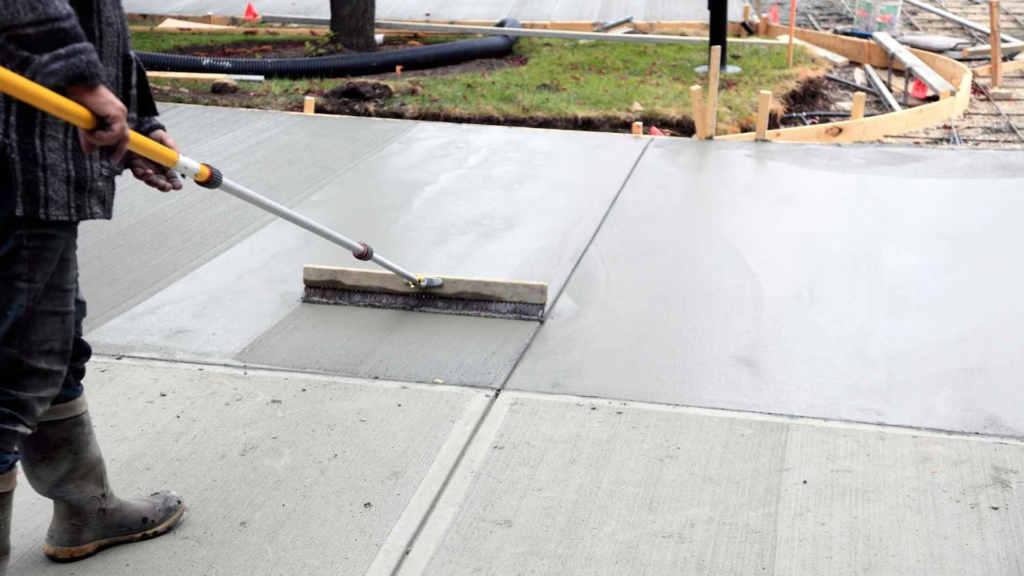
Welcome to Hugos Concrete, your go-to resource for all things concrete care! Today, we’re tackling a critical winter maintenance topic: the detrimental effects of salt on concrete surfaces. While salt might seem like a quick fix for icy conditions, it’s actually a silent culprit that can undermine the integrity of your concrete. Join us as we delve into the reasons why steering clear of salt is essential for safeguarding your concrete investments. Why Salt Spells Trouble for Concrete: Salt, especially the common sodium chloride variety, is a go-to de-icing agent for many homeowners and businesses. However, its corrosive nature poses significant risks to concrete structures. When salt interacts with moisture on concrete surfaces, it creates a saline solution that infiltrates the pores of the material.This infiltration sets off a destructive cycle, leading to erosion, cracks, spalling, and overall deterioration. Understanding the Ramifications: The damage inflicted by salt extends beyond mere aesthetics, compromising the structural soundness of your concrete. Cracks and spalling not only detract from your property’s appearance but also pave the way for further water penetration. Over time, this infiltration exacerbates the damage, potentially necessitating costly repairs or even complete replacement. In Northern Colorado, where winter conditions often require the use of de-icing agents, it’s important to be aware of the impact salt can have on your concrete surfaces. Our comprehensive guide delves into the cost-effective strategies for planning your concrete pour installation in Northern Colorado, including how to protect your investment from the harmful effects of salt Alternative Solutions to Salt: Fortunately, there are several safer alternatives to salt that offer effective ice and snow removal without endangering your concrete: Conclusion: When it comes to winter maintenance, prioritizing the longevity of your concrete is paramount. By steering clear of salt and exploring alternative de-icing methods, you can preserve the strength and beauty of your concrete surfaces for years to come. At Hugos Concrete, we’re committed to equipping you with the knowledge and resources to protect your concrete investments. Don’t let salt sabotage your concrete’s integrity. Reach out to Hugos Concrete today for more ways to safeguard your concrete surfaces against winter’s chill.
Stamped Concrete Guide: Enhancing Spaces with Style and Durability
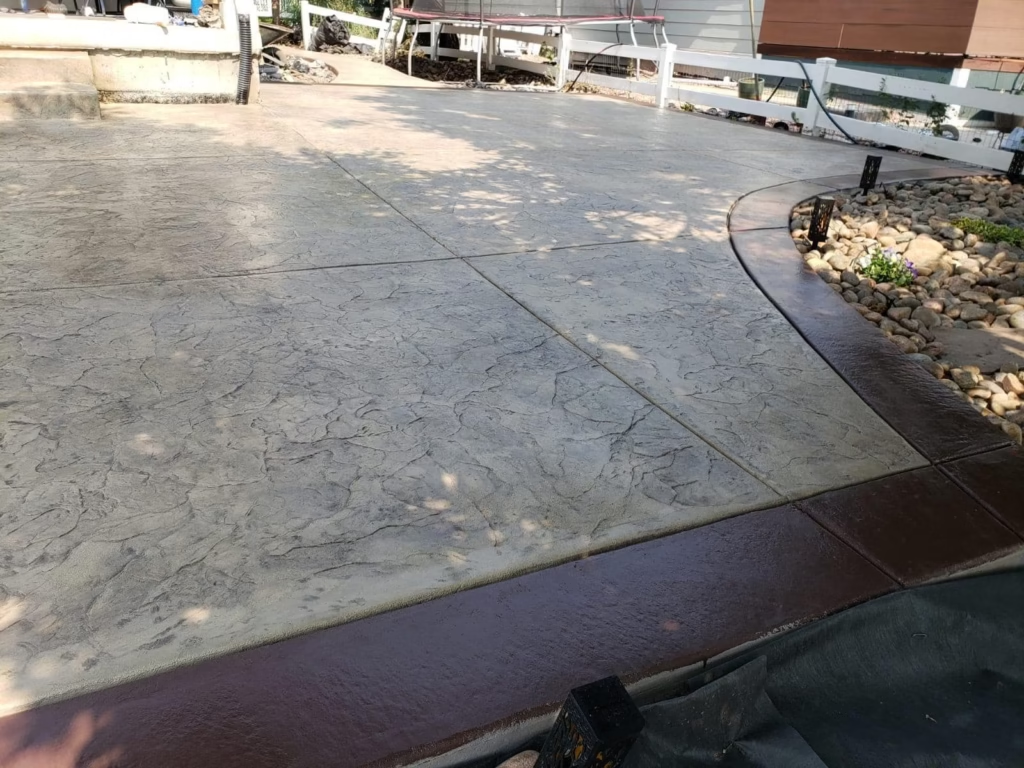
The benefits of stamped concrete are multifaceted. Firstly, it provides an economical alternative to natural materials while offering the versatility to mimic various textures and patterns. Its durability makes it suitable for high-traffic areas, and the extensive range of available colors and designs allows for customization to suit different aesthetic preferences. Stamped concrete requires minimal maintenance compared to traditional materials, and its seamless surface minimizes weed growth and tripping hazards. The application of a protective sealer enhances its resistance to stains, UV rays, and general wear and tear, contributing to a longer lifespan. Additionally, stamped concrete offers a quick installation process compared to laying individual pavers or stones. Overall, the combination of aesthetic appeal, durability, and low maintenance makes stamped concrete a popular choice for enhancing outdoor spaces. Here’s a general overview of the stamped concrete process including the preparation, application, and finishing stages that contribute to the creation of durable and aesthetically pleasing surfaces that mimic the appearance of natural materials like stone, brick, or wood. Concrete Pouring: The concrete pouring process starts by pouring a concrete slab, essential for creating a strong foundation. This involves pouring freshly mixed concrete into prepared forms shaped to the desired dimensions. Whether it’s for new construction or an overlay on an existing surface, proper mixing and quick, precise pouring ensure even spreading and filling of voids. This step is vital for the durability and strength of the structure. Coloring: Coloring involves adding integral color to the concrete mix for a consistent base hue. Additional color can be achieved using color hardeners or stains. These methods enhance the surface’s appearance and durability, providing rich, lasting colors that mimic natural materials like stone or wood. Proper coloring techniques ensure a visually appealing finish. Stamping: Stamping is done while the concrete is still unset, using mats made of polyurethane or rubber to imprint patterns and textures. Proper alignment and pressure are crucial for a uniform, realistic appearance. This technique allows for the look of high-end materials at a fraction of the cost, making it a popular choice for decorative concrete surfaces. Detailing: Detailing involves adding fine textures and details with hand tools after stamping. This step enhances the realism of the stamped patterns, making them look more natural. Attention to detail during this stage ensures a high-quality, aesthetically pleasing finish that stands out. Release Agent Application: A release agent is applied to the concrete and stamps to prevent sticking and add color variation. This agent, in powder or liquid form, ensures clean removal of the stamps and contributes to the final appearance by creating subtle, natural-looking variations in color. Curing: Curing is the process of allowing the concrete to harden and achieve its full strength. This typically takes several days and involves maintaining adequate moisture and temperature. Proper curing prevents cracking and ensures the concrete’s durability and longevity. Cleaning and Sealing: After curing, the concrete is cleaned to remove any residual release agent. A protective sealer is then applied, enhancing the color, protecting against stains, and improving durability. Regular maintenance, including resealing, keeps the concrete looking fresh and extends its lifespan. Hugo’s Concrete has helped hundreds of satisfied customers in Northern Colorado with their stamped concrete projects. Our commitment to quality and customer satisfaction has earned us a strong reputation in the community. Whether you need a new patio, walkway, or driveway, our expert team is ready to transform your space with beautiful, durable stamped concrete. Give us a call today to schedule a consultation, where we can discuss your project in detail and provide you with a personalized plan to bring your vision to life. Don’t wait—contact us now to start enhancing your property with our top-notch concrete services!
Hugo’s Concrete: A High Quality Concrete Contractor in Fort Collins
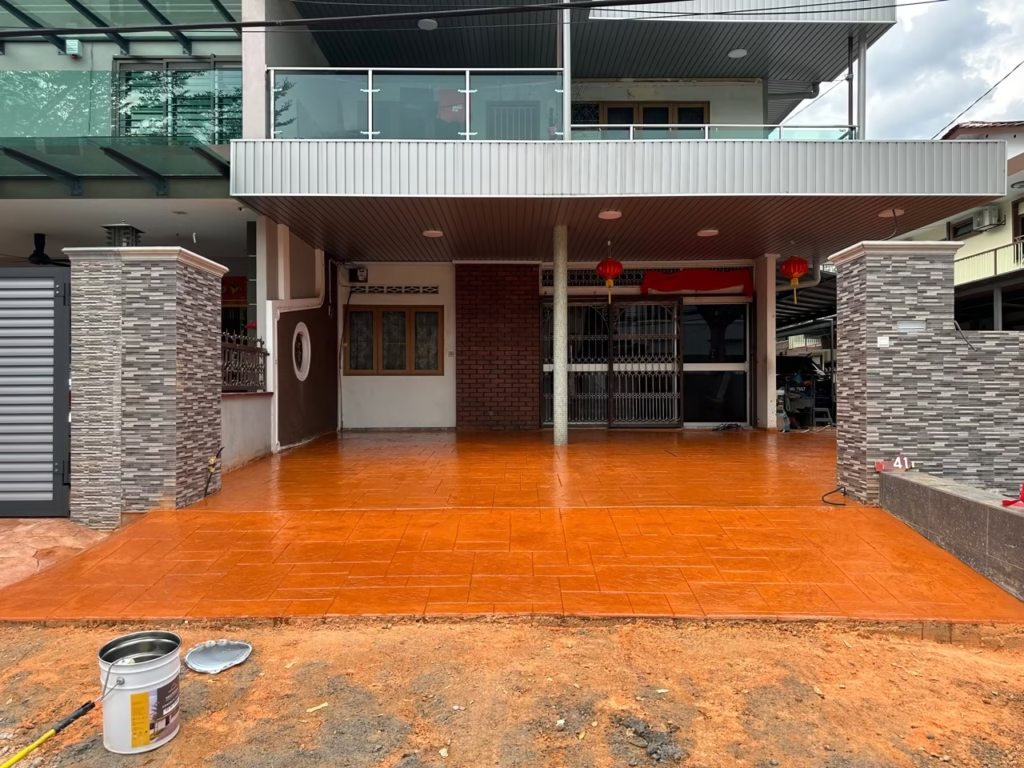
Welcome to Hugo’s Concrete, a Fort Collins based concrete contractor and your premier destination for top-tier concrete services that seamlessly blend craftsmanship, innovation, and reliability. With an unwavering commitment to excellence, we pride ourselves on being a leading concrete company that caters to the unique needs of our clients. At Hugo Concrete, we bring a wealth of experience to every concrete project, transforming ideas into concrete realities. Providing Tailored Concrete Solutions in Northern Colorado Hugo’s Concrete is delivers exceptional concrete services Fort collins and in all Northern Colorado, tailored to meet the diverse requirements of residential, commercial, and industrial projects. As a forward-thinking and customer-centric concrete contractor, we understand the significance of sturdy and aesthetically pleasing concrete structures. Whether you’re envisioning a beautifully designed patio, a structurally sound foundation, or intricate decorative concrete elements, we have the expertise to turn your vision into a tangible and enduring reality. With a dedication to excellence ingrained in our ethos, we pride ourselves on providing top-tier customer service that exceeds expectations at every turn. Comprehensive Support and Advanced Concrete Solutions for Every Client From the moment you reach out to us, our team is here to listen, advise, and guide you through every step of your project journey. Whether you’re a homeowner, contractor, or developer, we prioritize clear communication, responsiveness, and personalized attention to ensure your needs are not just met, but surpassed. Moreover, we understand the importance of budget-conscious decisions, which is why we offer competitive pricing without compromising on the quality of our materials or services. What also sets our Northern Colorado concrete company apart is not just our commitment to quality craftsmanship but also our emphasis on utilizing cutting-edge techniques and materials. We stay at the forefront of industry advancements, ensuring that our clients benefit from the latest innovations in concrete construction. Expert Concrete Services Tailored to Your Vision at Hugo’s Concrete Our team of skilled professionals combines traditional expertise with modern approaches, delivering projects that stand the test of time and exceed expectations. At Hugo’s Concrete, we prioritize customer satisfaction above all else. We recognize that each project is unique, and we approach every assignment with a personalized touch. From the initial consultation to project completion, our team works closely with clients to understand their goals, offer expert advice, and provide transparent communication throughout the process. Your vision is our mission, and we take pride in our ability to deliver tailored concrete solutions that meet and exceed your aspirations. Exceptional Concrete Services Tailored to Your Needs Explore our comprehensive range of services, including but not limited to concrete foundations, driveways, sidewalks, stamped concrete, and decorative finishes. Whether you’re embarking on a residential renovation or a large-scale commercial project, our team is equipped to handle projects of all sizes and complexities. When you choose Hugo’s Concrete, you’re choosing a concrete partner dedicated to the highest standards of quality, professionalism, and customer satisfaction. Transform your ideas into enduring structures with the assurance that comes from partnering with a concrete company that prioritizes precision, innovation, and your unique vision. Discover the difference that exceptional craftsmanship and unmatched dedication can make. Contact Hugo Concrete today for all your concrete needs, and let us pave the way to turning your dreams into concrete reality.
Hiring a Concrete Contractor in Northern Colorado
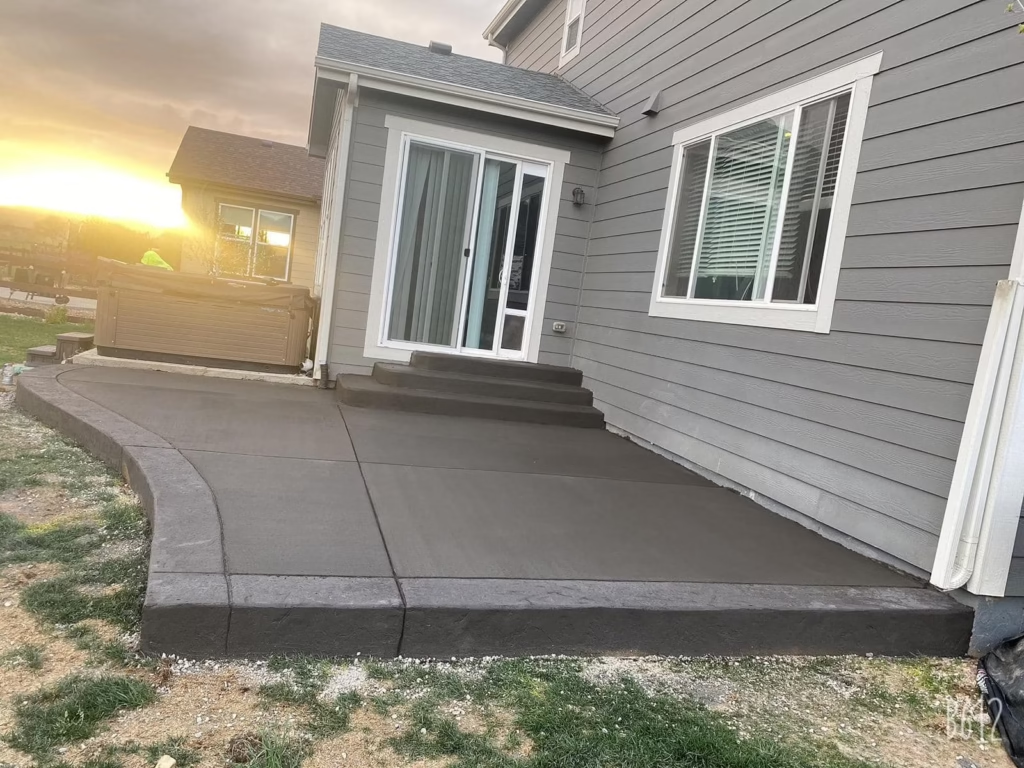
When hiring a concrete contractor, several crucial factors should be considered to ensure a successful and satisfactory outcome for your project. Here are key factors to keep in mind. Experience and Reputation: Evaluate the contractor’s experience in the concrete industry of industrial concrete coatings. Look for a well-established contractor with a proven track record of successful projects. Check online reviews, and testimonials, and ask for references to gauge the contractor’s reputation and the satisfaction of previous clients. Licensing and Insurance: Verify that the contractor is licensed to operate in your area and that their license is up-to-date. Licensing requirements may vary by location. Ensure the contractor carries adequate insurance, including general liability and workers’ compensation, to protect you and your employees in case of accidents. Portfolio of Past Work: Review the contractor’s portfolio of past projects. This provides insight into their expertise and the quality of their workmanship. If possible, visit completed projects or request photos to see the finished results firsthand. Project Specifics: Clearly define the scope of your project, including the size, design, and any specific requirements you may have. Discuss details such as the type of concrete, finishing options, and any additional features or considerations unique to your project. Cost Estimate and Payment Terms: Obtain detailed cost estimates from multiple contractors. Be wary of significantly low bids, as they may indicate cutting corners or using subpar materials. Clarify payment terms, including the schedule of payments and the methods accepted. Timeline and Schedule: Discuss the project timeline, including start and completion dates. A reliable contractor should provide a realistic schedule based on the scope of work. Clarify potential delays and how they will be addressed. Communication Skills: Effective communication is crucial for a successful project. Ensure the contractor is responsive to inquiries and provides clear, detailed answers. Discuss how updates and changes to the project will be communicated. Contract and Warranty: Have a detailed written contract that includes all aspects of the project, from the scope of work to the payment schedule. Inquire about warranties for materials and workmanship. A reputable contractor should stand behind their work. Permits and Regulations: Verify that the contractor is aware of and will obtain any necessary permits for the project. Ensure they are familiar with local building codes and regulations. Clean-Up and Disposal: Discuss the contractor’s policy regarding clean-up and disposal of materials. A professional contractor should leave the site in a clean and safe condition. By carefully considering these factors, you can make an informed decision when hiring a concrete contractor and increase the likelihood of a successful and satisfactory project outcome. Conclusion: In conclusion, selecting the right concrete contractor in Northern Colorado is a pivotal step in ensuring the success of your project. By thoroughly evaluating factors such as experience, reputation, licensing, and project specifics, you can make an informed decision that aligns with your expectations. A comprehensive contract, clear communication, and adherence to timelines are crucial components of a successful partnership. Remember to obtain multiple cost estimates, but be cautious of significantly low bids. Ultimately, a reputable contractor with a proven track record will deliver quality work and provide peace of mind throughout the construction process. Taking the time to vet potential contractors thoroughly will contribute to the overall success, durability, and satisfaction of your concrete project. For further details, contact Hugo’s concrete.
A Guide to Enhancing Spaces with Decorative Concrete Finishes
In the realm of outdoor design, decorative concrete finishing has emerged as a versatile canvas, offering homeowners an array of decorative concrete floor finishes to elevate their outdoor spaces. From patios to walkways, decorative concrete finishes have become the epitome of both style and functionality. In this blog post, we delve into the world of enhancing outdoor spaces with decorative concrete finishes, exploring the myriad options available to homeowners seeking to infuse charm and character into their exteriors. Stamped Concrete: Creating Artistry Underfoot, Stamped concrete mimics the appearance of various materials, from brick to stone, adding texture and depth to your outdoor surfaces. Explore different stamp patterns and color options to tailor the look to complement your home’s architectural style. Staining for Vibrant Hues: Dive into the world of concrete staining, a technique that infuses vibrant colors into your outdoor surfaces. Discuss the longevity and customization possibilities, showcasing before-and-after visuals of stained concrete projects. Polished Concrete: A Sleek and Modern Touch, Uncover the sleek elegance of polished concrete surfaces for a contemporary and refined outdoor aesthetic. Highlight the low maintenance and durability aspects that make polished concrete a practical choice for outdoor spaces. Exposed Aggregate for Natural Beauty: Explore the natural beauty of exposed aggregate, where the texture of small stones and pebbles is revealed on the surface. Discuss the versatility of exposed aggregate in creating visually appealing and slip-resistant outdoor areas. Customization with Integral Coloring: Delve into integral coloring, a method where pigments are mixed directly into the concrete mix, ensuring a consistent hue throughout. Showcase how integral coloring allows for seamless integration with the surrounding landscape. Engraved Concrete: Personalizing Your Space, Introduce readers to engraved concrete, a technique that allows for intricate patterns, logos, or personalized designs. Highlight the uniqueness of engraved concrete in creating one-of-a-kind outdoor spaces. Overlay Systems for Resurfacing Magic: Discuss overlay systems as a solution for refreshing existing concrete surfaces, and breathing new life into worn-out patios or walkways. Provide insights into the cost-effectiveness and transformative capabilities of overlays. Conclusion: In conclusion, the possibilities for enhancing outdoor spaces with decorative concrete finishes are as vast as your imagination. From the timeless elegance of stamped concrete to the modern sophistication of polished surfaces, decorative finishes offer a dynamic range of options for homeowners looking to redefine their outdoor living areas. Embrace the fusion of style and durability, and let decorative concrete be the transformative element that elevates your outdoor spaces to new heights. Explore the endless possibilities, and embark on a journey to create an outdoor oasis that reflects your unique taste and lifestyle.
The Importance of Using Rebar When Pouring Concrete
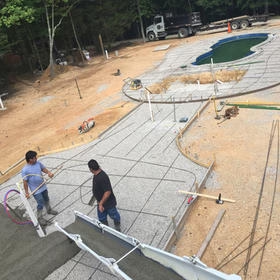
Why Rebar Is Important for Strong, Long‑Lasting Concrete Rebar, or reinforcing bar, plays a pivotal role in concrete construction by addressing the inherent tension weakness of concrete, which is very strong in compression but weak in tension. By placing rebar within concrete structures, such as beams, columns, and slabs, the combination creates a composite material that can withstand a variety of forces specially in thaw-freeze climates. Rebar helps control and distribute cracks that may happen during curing and aging, preventing them from compromising the overall structural integrity. When considering the rebar menu, it’s important to evaluate various rebar sizes suitable for the specific rebar construction needs to ensure optimal structural performance. Strength and Durability: Concrete is very strong in compression but relatively weak in tension. Rebar is used to enhance the tensile strength of concrete. The combination of concrete’s compressive strength and rebar’s tensile strength results in a material that can withstand a variety of forces, such as those caused by structural loads and temperature changes. Prevention of Cracks: Rebar also helps control cracking in concrete. As concrete cures and ages, it can develop cracks due to factors like shrinkage and temperature changes. The presence of rebar helps distribute and control these cracks, preventing them from expanding and compromising the structural integrity of the concrete. Load Distribution: Rebar provides a means of distributing loads more evenly throughout a concrete structure. This is particularly important in large or complex structures where the weight and stress distribution need careful consideration. Structural Stability: In structural elements like beams, columns, and slabs, rebar is used to reinforce critical spaces and ensure the stability and integrity of the structure. It helps the structure resist deformation and maintain its shape under various loads. Bonding with Concrete: Rebar is designed with surface deformations (ribs) that enhance its bond with concrete. This bond is essential for the effectiveness of the reinforcement. The combination of concrete and rebar creates a monolithic structure where the two materials work together to resist applied forces. Flexural Strength: Rebar enhances the flexural strength of concrete elements, allowing them to bend without breaking. This is particularly important in structures subjected to bending loads, such as beams and any other concrete surface. In summary, rebar’s importance in concrete installations is multifaceted, encompassing tensile strength enhancement, crack prevention, load-bearing capacity improvement, flexibility, and compliance with rigorous building codes, collectively contributing to the creation of durable, stable, and safe structures. For further details, visit Hugo’s concrete
Unlocking the Benefits of Concrete Walkways
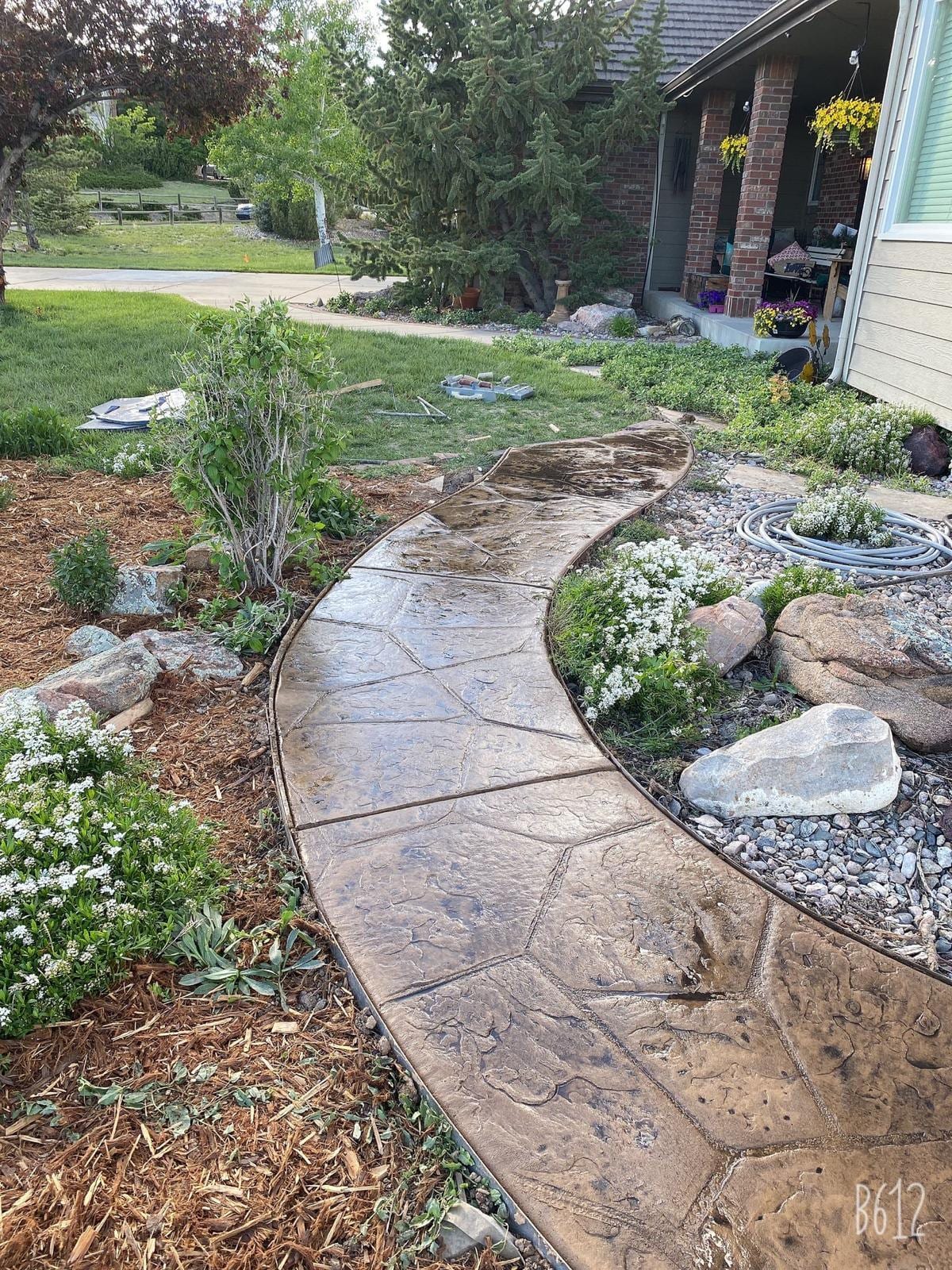
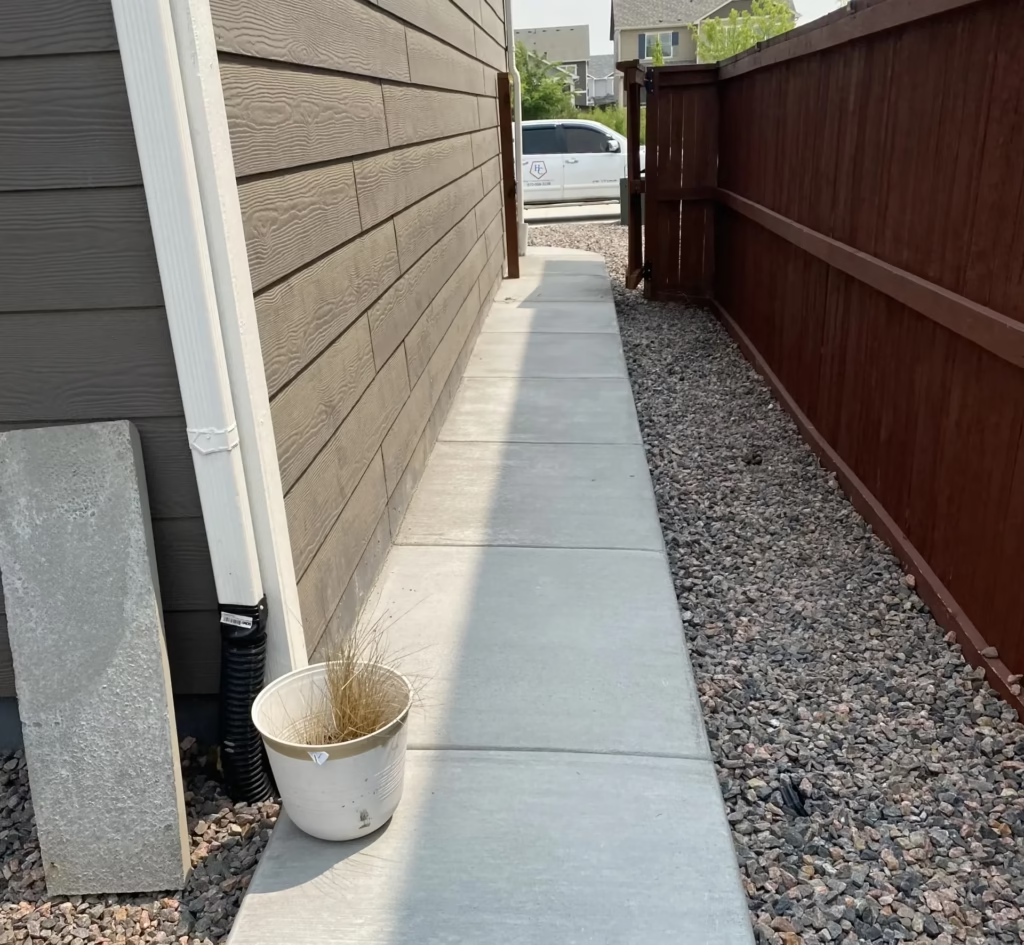
Discover the advantages of choosing stamped concrete walkways for your property. From durability to cost-effectiveness, explore why stamped concrete walkways are the optimal choice for lasting and appealing pedestrian pathways. Concrete walkways offer a multitude of advantages, primarily their remarkable durability, making them resilient to heavy foot traffic and harsh environmental conditions. Beyond their strength, concrete sidewalks boast low maintenance requirements, as they resist damage from pests and are easy to clean. Safety is prioritized with concrete’s stable and slip-resistant surface, promoting pedestrian well-being. Design flexibility is a notable perk, as concrete walkway ideas and walkways can be customized with various finishes, textures, and patterns to complement their surroundings. Durability: Concrete is a highly durable material, able to withstand heavy foot traffic, environmental conditions, and the general wear and tear associated with sidewalks. It has a longer lifespan compared to some alternative materials. Cost-Effective: Concrete sidewalks can be cost-effective in the long run due to their durability and low maintenance requirements. While the initial installation cost may be higher than some alternatives, the extended lifespan can result in lower overall costs. Property Value: Well-designed and maintained concrete sidewalks can enhance the aesthetic appeal of a property and contribute to increased property values in residential and commercial areas. Low Maintenance: Concrete sidewalks are relatively low maintenance. They are resistant to pests, don’t require frequent repairs, and are easy to clean with simple maintenance practices. Long-Term Performance: With proper installation and maintenance, concrete sidewalks can provide long-term performance, contributing to the overall functionality and attractiveness of urban and suburban spaces. Safety: Concrete provides a stable and slip-resistant surface, enhancing pedestrian safety. Properly finished concrete sidewalks minimize the risk of slips and falls, particularly when textured or brushed finishes are applied. While the initial installation cost might be higher, the long-term benefits, including low maintenance costs and extended lifespan, make concrete sidewalks a cost-effective choice. Accessibility features can be easily incorporated to accommodate individuals with mobility challenges, contributing to inclusivity. Environmentally, concrete is a sustainable material, often utilizing recycled components and aiding in water runoff control. With aesthetic appeal, accessibility, and longevity, concrete sidewalks can enhance property values and contribute to the overall functionality and aesthetics of urban and residential areas. Contact Hugos Concrete today to discuss your concrete walkway/ sidewalk project, we’ll happily schedule a free consultation.
How Much Costs to Replace Concrete Patio in Northern Colorado
Factors Affecting the Cost of a Concrete Patio Project in Northern Colorado Determining the cost of a concrete patio project in Northern Colorado, such as replace wood deck with a concrete patio, is a multifaceted process influenced by various factors. The size of the patio is a critical consideration, with larger areas requiring more materials and labor, consequently impacting the overall expense. Design Complexity and Its Impact on Pricing The complexity of the design is another significant factor; intricate patterns, stamping, coloring, or decorative finishes can add a layer of sophistication but may also contribute to higher costs. Material selection is pivotal, as premium concrete types or special finishes can influence the final price. Market Conditions and Contractor Consultation for Accurate Estimates It’s crucial to recognize that these figures are subject to change due to market conditions, and it is advisable to consult local contractors for the most accurate and up-to-date estimates. Local labor rates, specific project requirements, and the reputation of the chosen contractor are additional factors that can impact the overall cost. Obtaining a Comprehensive, Tailored Estimate for Your Concrete Patio To obtain a comprehensive estimate tailored to your unique project, engaging with multiple local contractors, discussing design preferences, and considering the latest market dynamics will provide a clearer understanding of the investment required for your concrete patio in Northern Colorado. Contact Hugos Concrete today to schedule a free onsite consultation to discuss your concrete patio project.
Comparing Repairing and Replacing Concrete Driveways
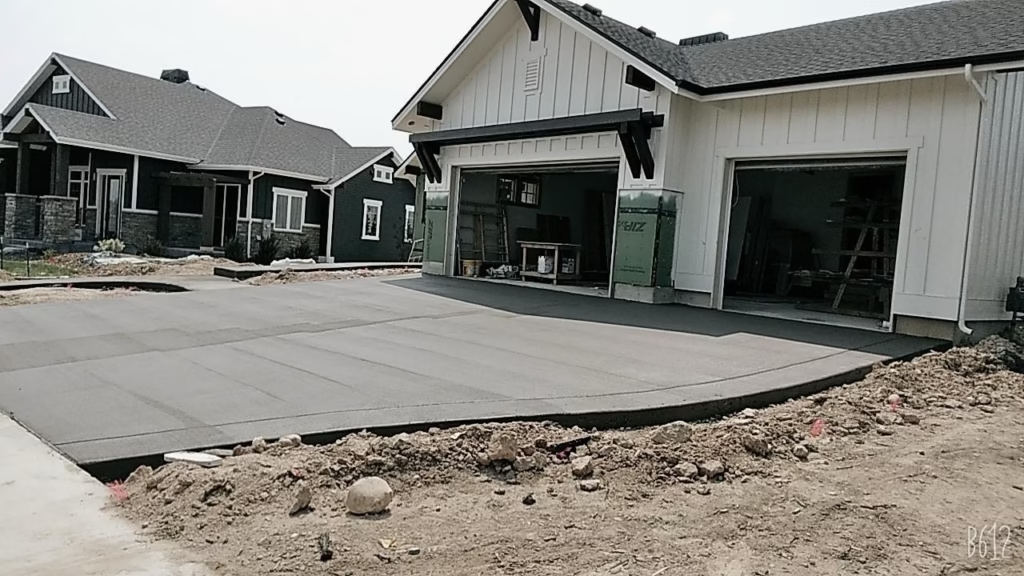
Choosing Between Driveway Repair and Replacement Deciding whether to replace or repair a concrete driveway depends on the extent of damage and individual preferences. If the concrete is extensively cracked or structurally compromised, replacement might be the more appropriate choice, offering a fresh start and potential long-term durability. However, for minor surface cracks or budget considerations, repairing the driveway can be a cost-effective solution, especially if the damage is localized. Ultimately, the decision should consider factors such as the overall condition of the driveway, aesthetic preferences, and budget constraints, and consulting with a professional can help determine the most suitable course of action. A new installation often addresses underlying problems with the base and subbase, contributing to the long-term stability and performance of the driveway. While the initial cost may be higher compared to repairs, the investment in a new driveway can result in a more aesthetically pleasing, structurally sound, and enduring solution, making it a better option for those seeking a comprehensive and lasting upgrade Replacing the Concrete Driveway: Extensive Damage: If the concrete is severely cracked, uneven, or damaged throughout, replacement might be the more viable option. Structural Issues: If there are underlying structural problems with the base or subbase, replacing the entire driveway can address these issues. Aesthetic Preferences: If you want a completely new look, design, or color for your driveway, replacement provides a fresh start. Long-Term Investment: While the upfront cost is higher, a new driveway can be a long-term investment, potentially offering better durability and performance. Repairing the Concrete Driveway: Surface Cracks or Minor Damage: If the damage is primarily cosmetic or limited to surface cracks, repairing might be a cost-effective solution. Budget Considerations: If your budget is a significant concern, and the damage is not extensive, repairing the driveway can be more economical than a full replacement. Localized Damage: If the damage is confined to specific areas, patching or resurfacing might be sufficient to address the issues. Environmental Impact: Repairing the driveway typically generates less waste than a complete replacement, which can be a consideration for those concerned about environmental impact. In some cases, a middle-ground option might be considered, such as resurfacing the existing concrete to improve its appearance and address minor issues. Consulting with Fort Collins based contractor Hugo’s Concrete can help you assess the condition of your driveway and make an informed decision based on your specific needs, budget, and long-term goals.
Concrete vs. Pavers, Gravel and Rock in Fort Collins
Concrete is often a good fit for Fort Collins homeowners who want a firm surface with fewer joints and little loose material. Pavers can work well when individual-unit repairs and a segmented look matter more. Gravel or rock can suit informal paths and low-traffic areas. Your best choice depends on how you’ll use the space, drainage, base preparation, upkeep and design preferences. Concrete, Pavers or Gravel: Quick Comparison Factor Concrete Pavers Gravel or rock Surface Continuous and firm when properly installed Individual units with joints Loose material that can move Routine care Cleaning and sealing as recommended Joint care, weed control and possible re-leveling Raking, regrading and replenishment Repair approach Repair cracks or replace an affected section Lift and replace individual units Add and redistribute material Design choices Broom finish, plant-mixed color and stamped patterns Many unit shapes, colors and patterns Several stone sizes and colors Common fit Driveways, patios and walkways needing a stable surface Decorative areas where a segmented design is preferred Informal paths and lower-traffic areas How Fort Collins Conditions Affect the Choice Fort Collins weather and clay-heavy soil can put stress on any outdoor surface. Water can enter gaps or cracks, freeze and expand. Soil movement can also affect the finished area. The material is only part of the decision. Excavation, base depth, compaction, drainage, reinforcement, concrete mix and curing all affect performance. Proper preparation reduces movement and water problems, though no outdoor surface is free from future repairs. Hugo’s Concrete uses locally sourced ready-mix concrete with fiber reinforcement. Our crew installs premium recycled base material, compacts it with heavy equipment and grades the area for drainage. We use #3 rebar or thicker when the project calls for it. Where Concrete Has an Advantage Stable Surface for Driving and Walking A properly installed concrete slab creates a firm surface for vehicles, patio furniture, wheelchairs and foot traffic. It doesn’t scatter under tires or shoes like loose gravel. It also has fewer joints than a paver surface. Lower Routine Upkeep Concrete usually needs sweeping, occasional washing and sealing when recommended. These minimal maintenance needs appeal to homeowners who don’t want to rake gravel or maintain paver joints. Pavers can need joint sand, weed control and re-leveling as the base moves. Gravel may need regular redistribution and added material in high-use spots. Finish and Color Choices Concrete can be shaped for curved walkways, broad patios and custom driveway layouts. Stamped patterns can resemble stone, brick or wood. Colored concrete can also fit a home’s exterior or outdoor design. Hugo’s uses color mixed at the concrete plant for colored projects. The color runs through the concrete instead of sitting only on the surface. Long Service Life Concrete is known for superior durability when the slab is designed, placed and maintained correctly. Its life depends on drainage, base preparation, mix, thickness, curing and use. Cleaner Edges and Less Loose Material A concrete surface won’t send loose rock into lawns, planting beds or indoor spaces. Its defined edges can also make snow removal and routine cleaning easier. Cracks and joints can still collect debris or allow weeds, so occasional care is needed. When Pavers or Gravel May Be the Better Choice Pavers are worth considering if you want to replace individual surface units after damage. They also offer detailed patterns and a segmented appearance that some homeowners prefer. Their performance still depends on a well-built base and proper edge restraint. Gravel or decorative rock can fit an informal path or low-traffic part of the yard. The initial project may require less site work than a concrete slab. Plan for movement, weed control, snow removal and periodic replenishment. Concrete is usually the stronger choice for a driveway, patio or walkway where a stable surface and lower routine upkeep are the main goals. Compare Concrete Options for Your Fort Collins Project Review Hugo’s options for a concrete driveway, concrete patio, sidewalk or walkway or stamped and colored concrete. You can also see our full range of Fort Collins concrete services. Hugo’s Concrete has more than 20 years of residential flatwork experience in Northern Colorado. Our team can review your property, explain the tradeoffs and compare materials based on how you’ll use the finished area. Compare Concrete Options for My Project