
Top 5 Concrete Trends in Northern Colorado for 2024
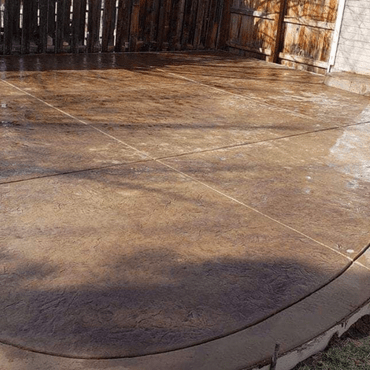
Concrete is no longer just a functional building material; it has evolved into a versatile medium that can transform any space with style and durability. As we move into 2024, several exciting trends in concrete design are emerging, particularly in Northern Colorado, including Fort Collins and surrounding areas. Whether you’re considering a residential renovation or a commercial project, staying ahead of these trends can help you achieve a modern and attractive finish. Let’s explore the top five concrete trends in Northern Colorado for 2024. Concrete Trends in Colorado for 2024 As concrete design evolves, Concrete Trends in Colorado for 2024 showcase a perfect balance between style, sustainability, and functionality. In Northern Colorado, from Fort Collins to Greeley, property owners are embracing innovations like polished concrete floors, stamped patios, and eco-friendly materials to enhance both residential and commercial spaces. These trends are redefining how concrete is used to create beautiful, durable, and modern environments that stand the test of time and harsh weather conditions. 1. Polished Concrete Floors Polished concrete floors have been steadily gaining popularity and continue to be a top trend in 2024. This concrete flooring option is known for its sleek, reflective finish that adds a touch of sophistication to any space. It’s not just about aesthetics, though; polished concrete floors are highly durable, easy to maintain, and eco-friendly. In Northern Colorado, including Fort Collins, polished concrete is particularly favored in commercial spaces such as offices, retail stores, and restaurants. However, homeowners are also embracing this trend for kitchens, basements, and living areas. The ability to customize the level of gloss and the variety of available colors make polished concrete a versatile choice for both modern and traditional designs. 2. Stamped Concrete Patios and Driveways Stamped concrete is another trend that continues to grow in popularity. This technique involves pressing patterns into freshly poured concrete to mimic the look of natural stone, brick, or even wood. The result is a beautiful, textured surface that adds character and charm to patios, driveways, and walkways. In cities like Fort Collins and Loveland, homeowners are increasingly opting for stamped concrete to enhance their outdoor living spaces. This trend is driven by the desire for unique, custom designs that offer both aesthetic appeal and practical benefits. Stamped concrete is durable, resistant to harsh weather conditions, and requires minimal maintenance, making it an excellent choice for Northern Colorado’s diverse climate. 3. Sustainable Concrete Solutions As sustainability becomes a crucial consideration in construction, eco-friendly concrete solutions are gaining traction. In 2024, we see a significant shift towards using green concrete, which incorporates recycled materials and reduces carbon emissions. This trend is not only beneficial for the environment but also for property owners looking to reduce their ecological footprint. Northern Colorado cities, known for their commitment to sustainability, are embracing these innovative concrete solutions. Whether it’s using fly ash, slag cement, or incorporating recycled aggregates, sustainable concrete is becoming a standard practice in both residential and commercial projects. Additionally, permeable concrete, which allows water to pass through, is being used to reduce runoff and improve groundwater recharge. 4. Decorative Concrete Overlays Decorative concrete overlays are an excellent option for rejuvenating existing concrete surfaces. This trend involves applying a thin layer of cement-based material over old concrete to create a fresh, new look. The overlay can be customized with various colors, textures, and patterns to achieve the desired aesthetic. In Northern Colorado, including cities like Greeley and Longmont, decorative overlays are popular for updating driveways, pool decks, and interior floors without the need for complete replacement. This cost-effective solution not only enhances the appearance of the space but also extends the life of the existing concrete. With endless design possibilities, decorative concrete overlays are a versatile trend that adds value to any property. 5. Colored Concrete Colored concrete is making a strong statement in 2024. Gone are the days of boring, gray concrete; today, property owners can choose from a wide spectrum of colors to create eye-catching designs. Integrally colored concrete, where the color is mixed into the concrete before pouring, ensures a long-lasting, vibrant finish. In Northern Colorado, colored concrete is being used creatively in both residential and commercial settings. From bold, vibrant hues to subtle, earthy tones, colored concrete can enhance the visual appeal of driveways, patios, walkways, and interior floors. This trend allows for personalization and creativity, making it possible to achieve a unique look that complements the overall design of the property. Conclusion As we look forward to 2024, the trends in concrete design are all about combining functionality with aesthetic appeal. From polished concrete floors and stamped concrete patios to sustainable solutions and decorative overlays, these trends offer innovative ways to enhance your property. In Northern Colorado, including Fort Collins and neighboring cities, embracing these concrete trends can help you create beautiful, durable, and eco-friendly spaces. At Hugo’s Concrete, we stay ahead of these trends to provide our clients with the best solutions for their projects. Whether you’re looking to update your home’s exterior, revamp your commercial space, or incorporate sustainable materials, our team is here to help. Contact us today to learn more about our services and how we can bring your vision to life.
The Benefits of High-Quality Driveways for Commercial Properties in Fort Collins
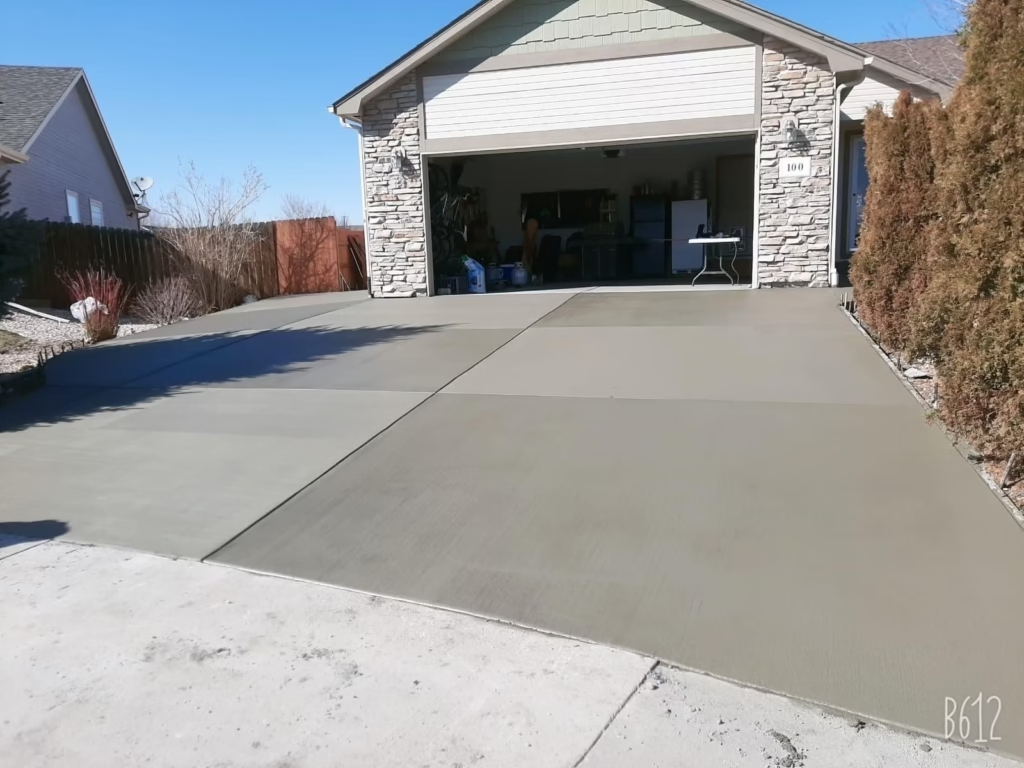
A well-designed and professionally installed driveway is a crucial element for any commercial property. It not only enhances the overall appearance but also ensures smooth traffic flow and safety. In Fort Collins, where the weather can be unpredictable, having a durable and aesthetically pleasing driveway is even more critical. This article explores the importance of high-quality driveways for commercial properties, the benefits of professional installation, and why Hugo’s Concrete is the best choice for your driveway needs. Why a High-Quality Driveway Matters A driveway is more than just a path for vehicles; it’s an integral part of your property’s infrastructure that significantly impacts both functionality and aesthetics. It serves as the first point of contact for visitors, clients, and customers, playing a crucial role in the overall perception of your business or residence. Here are several reasons why investing in a high-quality driveway is essential: Benefits of Professional Concrete Driveway Installation While some business owners may consider tackling driveway installation as a DIY project to save costs, hiring a professional contractor like Hugo’s Concrete offers numerous benefits that far outweigh the initial savings. Here’s why entrusting your driveway project to experienced professionals is a smart investment for your commercial property: Why Choose Hugo’s Concrete for Your Driveway Needs? Hugo’s Concrete is a leading concrete contractor in Fort Collins, specializing in high-quality driveway installation for commercial properties. Here are a few reasons why you should choose us for your next project: Contact Hugo’s Concrete Today If you’re looking to enhance the appearance and functionality of your commercial property in Fort Collins, a high-quality driveway is a great place to start. Contact Hugo’s Concrete today to schedule a consultation and learn more about our services. Let us help you create a driveway that not only meets your needs but also exceeds your expectations.
Case Studies: Successful Concrete Projects in Northern Colorado
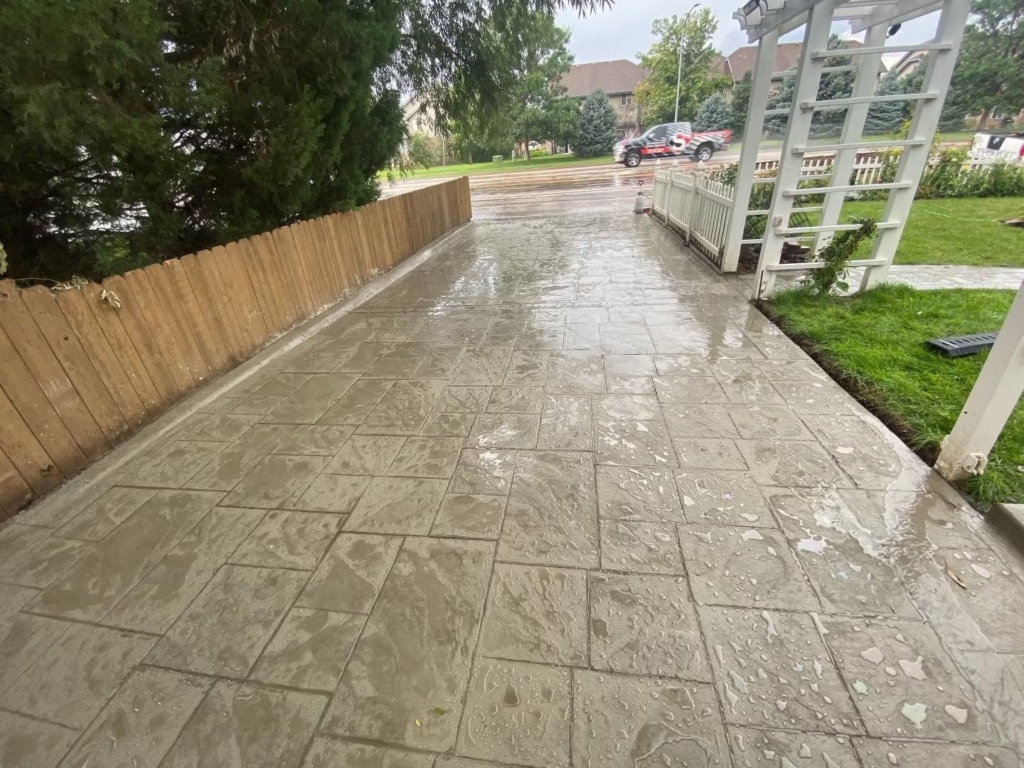
At Hugo’s Concrete, we pride ourselves on delivering exceptional concrete solutions tailored to the unique needs of our clients across Northern Colorado. From residential driveways in Fort Collins to commercial sidewalks in Loveland, our portfolio showcases a wide range of successful concrete projects. Each project highlights our expertise in concrete floors, polishing, and epoxy applications, ensuring durability and aesthetic appeal. Whether it’s a colored stamped patio or a large-scale commercial floor, our dedication to quality and customer satisfaction is evident in every project we undertake. Concrete is a versatile and durable material, making it ideal for a wide range of construction projects. Below, we highlight some of our most successful concrete projects, showcasing our expertise and commitment to quality. 1. Fort Collins Community Center Parking Lot Project Overview: The Fort Collins Community Center required a durable, long-lasting parking lot that could withstand heavy traffic and harsh weather conditions. Hugo’s Concrete was tasked with this project, utilizing top-quality materials and advanced construction techniques to ensure the parking lot’s resilience. The project included precise grading, robust reinforcement, and a specialized concrete mix designed to resist cracking and erosion. With a focus on longevity and performance, the new parking lot now provides a safe and reliable surface for the community, capable of enduring the demands of daily use and the extreme weather variations typical of Northern Colorado. Challenges: The project needed to be completed within a tight timeframe to minimize disruption to the community center’s operations. Additionally, the site required significant grading and preparation due to uneven terrain. Solution: Our team used high quality concrete with a specialized mix to ensure durability and longevity. We also employed advanced techniques for grading and leveling the site. The project was completed ahead of schedule, and the new parking lot has received positive feedback from the community. 2. Loveland Residential Driveway Project Overview: A homeowner in Loveland wanted to replace their old asphalt driveway with a new, visually appealing, and low-maintenance concrete driveway. Challenges: The project required precise removal of the old driveway without damaging the surrounding landscaping. Additionally, the homeowner wanted a custom stamped concrete design to enhance their home’s curb appeal. Solution: Our team carefully removed the old asphalt and prepared the site for the new concrete installation. We used high-quality concrete and created a beautiful stamped design that matched the homeowner’s vision. The result was a stunning driveway that significantly improved the property’s appearance. 3. Commercial Epoxy Flooring in Greeley Project Overview: A commercial facility in Greeley needed a durable, easy-to-clean flooring solution for their warehouse space. They opted for epoxy flooring due to its resilience and low maintenance. Challenges: The project had to be completed during off-hours to avoid disrupting the facility’s operations. Additionally, the existing floor had numerous cracks and imperfections that needed to be addressed. Solution: Our team worked overnight to minimize disruption to the business. We repaired all cracks and leveled the surface before applying the epoxy coating. The new floor is not only durable and easy to maintain but also enhances the overall appearance of the facility. 4. Polished Concrete Floors for a Retail Store in Longmont Project Overview: A retail store in Longmont wanted to upgrade their flooring to polished concrete for its modern look and ease of maintenance. Challenges: The project had to be completed without significant downtime to the store’s operations. Additionally, the existing floor had stains and uneven areas that needed to be addressed. Solution: We scheduled the work during the store’s off-hours and used industrial-grade polishing equipment to achieve a high-gloss finish. The polished concrete floors now provide a sleek, modern look that impresses customers and requires minimal upkeep. Conclusion These case studies highlight Hugo’s Concrete’s ability to deliver high-quality concrete solutions for a variety of needs. Whether it’s a commercial parking lot, a residential driveway, or a polished floor for a retail store, we have the expertise and dedication to exceed our clients’ expectations. Contact us today to learn how we can help with your next concrete project in Northern Colorado.
Top-Notch Concrete Services for Every City in Northern Colorado
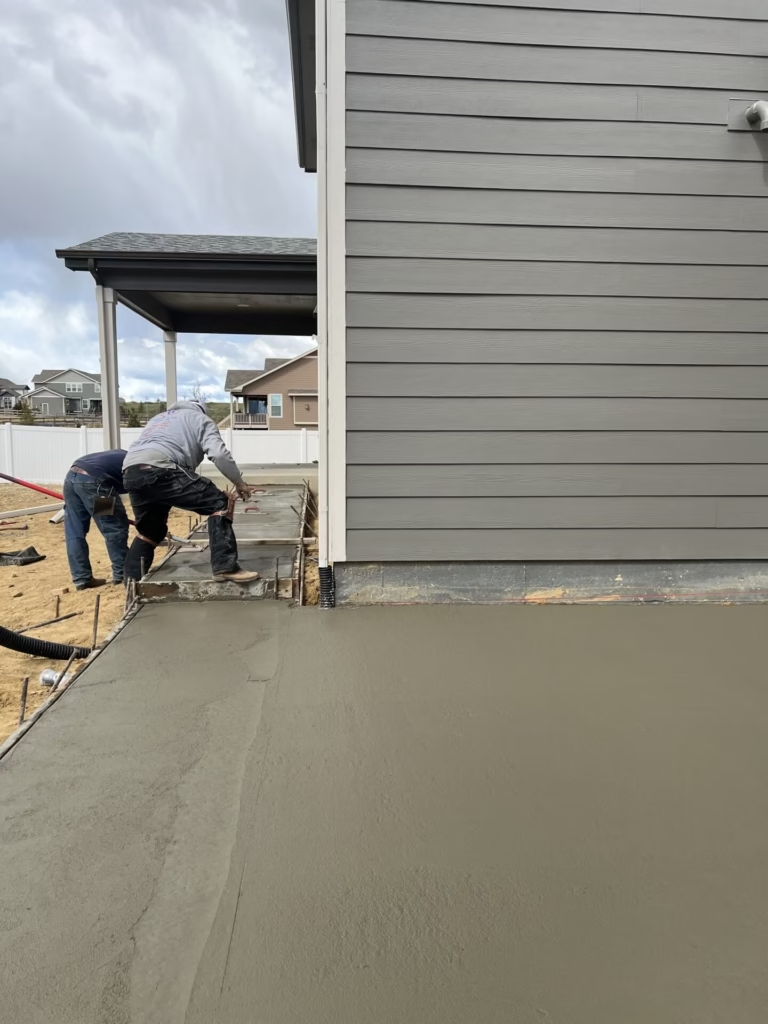
At Hugo’s Concrete, we specialize in providing top-notch concrete services for every city in Northern Colorado. Our team is dedicated to delivering exceptional results for both residential and commercial clients. Whether you’re in Fort Collins, Greeley, Loveland, Longmont, or any surrounding area, our expert craftsmanship and attention to detail ensure that your concrete projects are completed to the highest standards. From concrete driveways and patios to commercial flooring and epoxy applications, we have the skills and experience to meet all your concrete needs. Choose Hugo’s Concrete for unparalleled quality and customer satisfaction across Northern Colorado. Here’s a closer look at how we serve each city in Northern Colorado: 1. Fort Collins: Superior Concrete Solutions for All Needs In Fort Collins, we specialize in flat work concrete, including concrete floors, polishing, and epoxy applications. Our projects range from commercial driveways to residential patios, ensuring that every client receives durable and aesthetically pleasing results. Whether it’s a modern commercial facility needing polished concrete floors or a historic home requiring a new sidewalk, our team handles it all with precision and care. 2. Greeley: Reliable and Efficient Concrete Services Greeley’s growing commercial sector can rely on Hug’s Concrete for all their concrete needs. Our team excels in creating sturdy and attractive sidewalks, parking lots, and warehouse floors, enhancing the functionality and appearance of commercial properties. In residential areas, we offer customized driveways and patios that not only enhance curb appeal but also withstand the test of time and weather conditions. 3. Loveland: Enhancing Residential and Commercial Spaces In Loveland, we bring our expertise in colored stamped concrete to create unique and eye-catching designs for both residential and commercial properties. Whether it’s a decorative patio for a home or a stylish entrance for a business, we deliver exceptional results. Our ability to blend functionality with aesthetics makes us the preferred choice for many Loveland residents and business owners. 4. Longmont: High-Quality Concrete for Diverse Applications Longmont businesses and residents trust us for a wide range of concrete services. From epoxy flooring that withstands heavy traffic in commercial settings to polished concrete floors that add elegance to homes, our solutions are tailored to meet diverse needs. We also specialize in creating durable and attractive driveways, ensuring that every project we undertake enhances the property’s value and usability. 5. Windsor: Customized Concrete Projects Windsor’s expanding community benefits from our customized concrete projects. We work closely with clients to design and execute projects that match their specific requirements, whether it’s a new driveway for a home or a polished floor for a retail space. Our team is skilled in various concrete techniques, ensuring that every project is completed to the highest standards of quality and craftsmanship. 6. Severance: Expert Craftsmanship for Growing Communities In Severance, we understand the needs of a growing community. Our concrete services are designed to support new developments, from residential sidewalks to commercial parking lots, ensuring quality and durability. We take pride in helping Severance grow by providing reliable and high-quality concrete solutions that meet the needs of both new and existing residents and businesses. 7. Timnath: Enhancing Modern Living Spaces Timnath is known for its modern developments, and Hug’s Concrete is here to enhance these spaces with our polished and stamped concrete solutions. Our services add both functionality and style to residential and commercial properties. Whether it’s a contemporary home needing a stylish patio or a business requiring a durable and attractive parking lot, we bring innovative solutions to every project. 8. Wellington: Durable Concrete Solutions for All Projects Wellington residents and businesses can count on Hug’s Concrete for durable concrete solutions. From robust commercial flooring to decorative residential patios, we deliver projects that stand the test of time. Our attention to detail and commitment to using high-quality materials ensure that every project we undertake in Wellington meets the highest standards of excellence. Why Choose Hug’s Concrete? Contact Us Today! If you’re in Northern Colorado and need reliable, high-quality concrete services, look no further than Hug’s Concrete. Contact us today to discuss your project and discover how we can bring your vision to life. We’re committed to serving every city in Northern Colorado with excellence and dedication.
Ground Compaction: Key to Durable Concrete in Northern Colorado
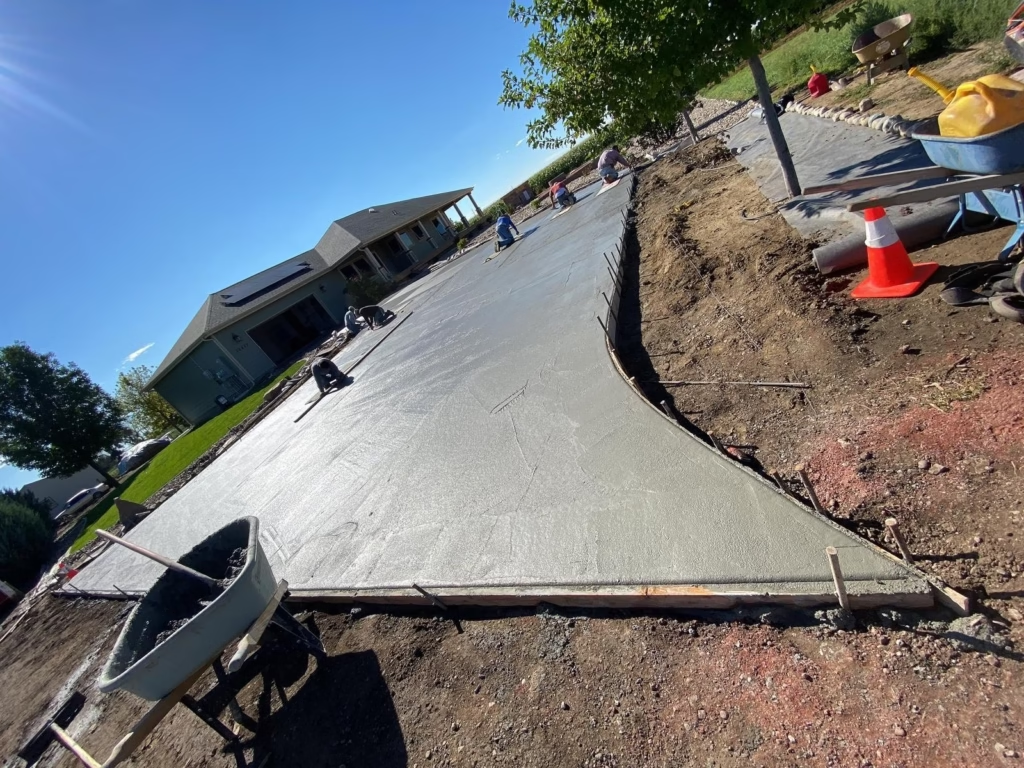
In the challenging ground of Northern Colorado, where the landscape varies from expansive plains to rugged mountains, construction projects face unique geological issues. Ground preparation, particularly ground compaction, plays a pivotal role in ensuring the stability, durability, and longevity of concrete foundations. This helpful guide explores the significance of ground compaction in Northern Colorado’s concrete construction industry, delving into its benefits, process, and expert recommendations for achieving optimal results. Understanding Northern Colorado’s Geological Challenges: Northern Colorado’s geological diversity presents construction projects with unique challenges. The region’s soil composition, moisture levels, and geological formations vary widely, affecting the performance of concrete structures. Expansive soils, characterized by their tendency to swell and shrink with changes in moisture content, provide significant risks to construction projects. Additionally, harsh weather conditions, including freezing temperatures and heavy precipitation, further exacerbate the challenges, leading to soil movement and structural instability. The Imprtance of Ground Compaction: Ground compaction is a fundamental step in the construction process that involves mechanically densifying the soil to increase its load-bearing capacity and reduce the risk of settlement or subsidence. In Northern Colorado, where soil conditions are highly variable and expansive soils are prevalent, correct compaction is essential to ensure the integrity and stability of concrete structure. By compacting the ground effectively, construction teams can mitigate the effects of soil movement, such as swelling, shrinking, and frost heave, thereby safeguarding the foundation integrity of concrete structures. Benefits of Ground Compaction: 1. Stability: Compacted soil provides a durable and stable foundation for concrete structures, minimizing the risk of uneven settlement or structural damage over time. By improving the density of the soil, compaction enhances its ability to support the weight of heavy concrete loads, ensuring long-term stability and performance. 2. Durability: Properly compacted soil reduces the likelihood of soil movement and associated damage to concrete foundation, enhancing their durability and longevity. By mitigating the effects of expansive soils and frost heave, compaction helps preserve the structural integrity of concrete structure, elemninating the need for costly repairs or replacements. 3. Load Bearing Capacity: Compacted soil has a higher load-bearing capacity, which means it can support heavier loads without experiencing excessive settlement or deformation. This is very important in areas with expansive soils, where the risk of soil movement and structural damage is heightened. 4. Drainage Improvement: Compacted soil provides better drainage, preventing water from accumulating beneath concrete slabs and reducing the risk of erosion or soil erosion. Correct drainage is essential for maintaining the structural integrity of concrete foundations, as water infiltration can weaken the soil and compromise its loadbearing capacity over time. The Compaction Process: Achieving optimal ground compaction requires a systematic approach and adherence to best practices. The compaction process normaly involves the following steps: 1. Site Preparation: Clear and remove the construction site of any debris, vegetation, or organic materials that may interfere with the compaction process. It’s essential to start with a clean and level surface to ensure uniform compaction across the entire site. 2. Soil Analysis: Conduct a thorough analysis of the soil conditions to determine the proper compaction method and equipment needed for the project. Factors such as soil type, moisture content, and compaction specifications will influence the selection of compaction equipment and techniques. 3. Compaction Equipment: Choose the proper compaction equipment based on the soil type and project requirements. Vibratory rollers, plate compactors, and pneumatic tampers are commonly used for soil compaction, each offering great advantages depending on the specific conditions of the site. 4. Compaction Testing: Perform compaction tests at regular intervals throughout the process to make sure that the desired density and moisture content are achieved. Field density tests, such as the sand cone test or nuclear density test, provide valuable insights into the effectiveness of the compaction efforts and help verify compliance with project specifications. 5. Quality Assurance: Monitor and inspect the compaction process closely and make any necessary adjustments to ensure consistent and uniform compaction across the entire site. Quality assurance measures, such as regular inspection and testing, help identify potential problems early on and ensure that the compaction meets the required standards for the project. In Northern Colorado’s challenging construction environment, solid ground compaction is paramount for the success and longevity of concrete structures. By investing in thorough soil preparation and adhering to best practices for compaction, construction crews can mitigate the risks associated with expansive soils and extreme weather conditions, ensuring strong, durable, and long-lasting foundations. At Hugo’s Concrete, we understand the critical importance of ground compaction in Northern Colorado’s construction industry, which is why we offer expert guidance and high-quality concrete products to support our customers’ projects. Trust us to deliver the professionalism, reliability, and durability you need to bring your vision to life in Northern Colorado’s dynamic landscape. Contact Hugo’s Concrete today to schedule free consultation!
Concrete Contractor in Fort Collins: Why Hugo’s Concrete is Your Best Choice
Choosing the Right Concrete Contractor in Fort Collins, CO In the bustling city of Fort Collins, finding the right concrete contractor for your project can be a crucial decision. Whether you’re planning a driveway installation, designing a concrete patio, or embarking on a commercial construction endeavor, selecting the right contractor in Fort Collins can significantly impact the success of your project. With countless options available, it’s essential to know what factors to consider when conducting your search, ensuring you choose a reliable and reputable contractor like Hugo’s Concrete. Here are some important considerations to keep in mind: Google Business Profile Reviews Start your search by checking the Google Business profiles of potential contractors in Northern Colorado. Reviews from past clients provide valuable insights into the contractor’s professionalism, quality of work, and customer service. Hugo’s Concrete takes pride in its highly rated reviews on Google, reflecting our commitment to excellence and customer satisfaction. Positive reviews indicate a track record of meeting or exceeding client expectations and can give you confidence in your choice. Experience and Expertise Look for concrete contractors in Northern Colorado with extensive experience in flat concrete work, particularly in the specific type of project you’re undertaking. Experienced contractors like Hugo’s Concrete bring a wealth of knowledge and expertise to the table, ensuring your project is completed to the highest standards. Experience not only means familiarity with various techniques and materials but also the ability to foresee and mitigate potential issues before they become significant problems. Portfolio of Past Projects Reviewing a contractor’s portfolio of past projects can give you a sense of their workmanship and style. Pay attention to the quality of craftsmanship and the diversity of projects completed. Hugo’s Concrete showcases a comprehensive portfolio of successfully completed projects, demonstrating our ability to handle a wide range of concrete construction endeavors. A diverse portfolio indicates versatility and an ability to adapt to different client needs and project specifications. Licensing and Insurance Ensure that the concrete contractor you choose is properly licensed and insured. This provides protection for both you and the contractor in the event of accidents or unforeseen circumstances during the project. Hugo’s Concrete is fully licensed and insured, giving you peace of mind knowing that your project is in capable hands. Licensing ensures that the contractor meets local regulatory requirements, while insurance protects against potential liabilities. Communication and Transparency Effective communication is essential throughout the duration of your project. Choose a contractor who communicates clearly, listens to your needs, and provides transparent pricing and timelines. At Hugo’s Concrete, we prioritize open communication with our clients, keeping you informed every step of the way. Transparent communication helps prevent misunderstandings and ensures that all parties are aligned regarding project expectations and progress. Quality of Materials and Equipment The quality of materials and equipment used can significantly impact the durability and longevity of your concrete project. Choose a contractor like Hugo’s Concrete that uses high-quality materials and state-of-the-art equipment to ensure superior results. If environmental sustainability is important to you, inquire about the contractor’s practices regarding waste management and environmentally friendly construction techniques. Hugo’s Concrete is committed to minimizing our environmental impact and employs eco-friendly practices whenever possible. High-quality materials and modern equipment contribute to the overall success and longevity of the project. Customer Service and Satisfaction Finally, consider the contractor’s reputation for customer service and satisfaction. Choose a concrete contractor who values your business and strives to exceed your expectations. Hugo’s Concrete is dedicated to providing exceptional customer service and ensuring your complete satisfaction with every aspect of your project. A contractor committed to customer service will be responsive to your needs and willing to go the extra mile to ensure your satisfaction. When searching for a concrete contractor in Fort Collins, it’s essential to consider factors such as Google Business profile reviews, experience, licensing, communication, and environmental practices. By carefully evaluating these factors and choosing a reputable contractor like Hugo’s Concrete, you can ensure the success of your concrete project. Whether you need a new driveway, a custom patio, or a large-scale commercial project, Hugo’s Concrete has the expertise and dedication to deliver outstanding results. Contact Hugo’s Concrete today to learn more about our services and how we can bring your vision to life. Our team is ready to provide you with a free estimate and discuss your project in detail, ensuring that you receive the best possible service and results.
Optimizing Concrete Pouring Conditions for Superior Results in Northern Colorado
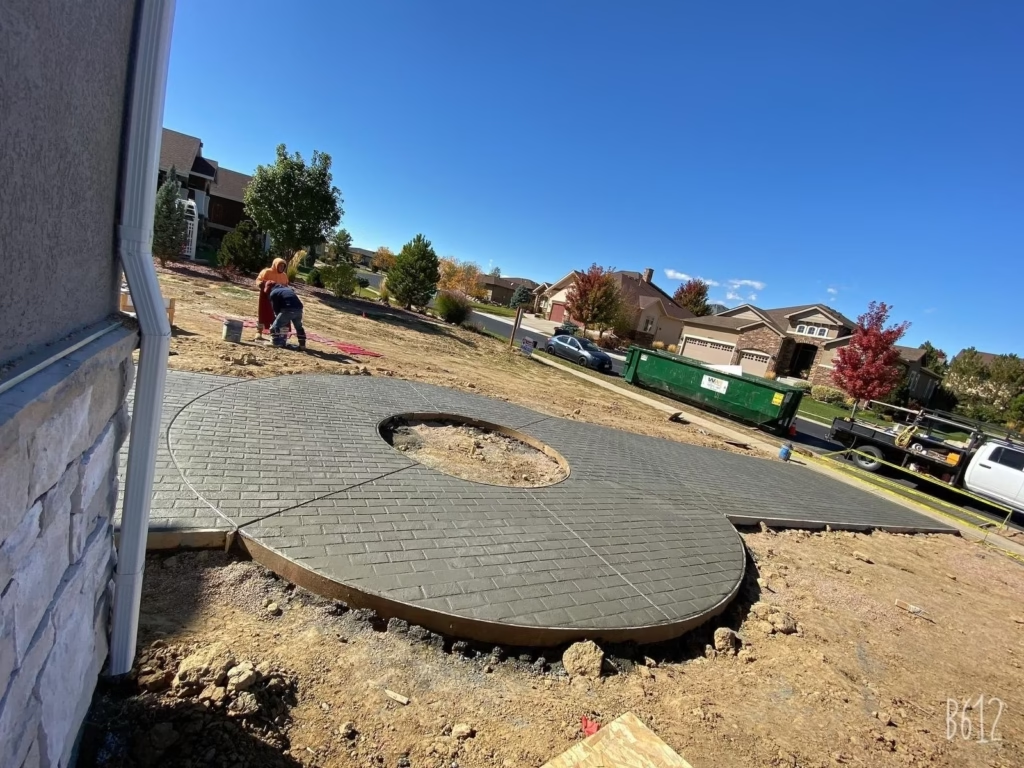
Northern Colorado Concrete Pouring: Mastering Ideal Conditions Concrete pouring is a pivotal phase in construction projects across Northern Colorado, where weather conditions can significantly impact the outcome. At Hugo’s Concrete, serving Fort Collins and the entire Northern Colorado region, we recognize the paramount importance of timing and temperature in ensuring successful concrete pours. In this comprehensive guide, we delve deeper into the intricacies of concrete pouring in our region, offering valuable insights and expert tips for achieving optimal results. Understanding Temperature Requirements The temperature during and after the concrete pouring process plays a crucial role in determining the strength and durability of the finished product. In Northern Colorado, the ideal temperature range for pouring concrete typically falls between 50°F to 85°F (10°C to 30°C). Within this range, the concrete can cure properly and attain maximum strength. When to Avoid Pouring While the ideal temperature range provides a general guideline, certain weather conditions warrant caution and may necessitate postponing concrete pours: Extreme Heat: High temperatures can accelerate the curing process, leading to premature drying and potential cracks in the concrete. It’s advisable to avoid pouring concrete on excessively hot days, especially when temperatures exceed 90°F (32°C). Freezing Temperatures: Concrete poured in freezing conditions is susceptible to frost damage, which can compromise its structural integrity. It’s essential to refrain from pouring concrete when temperatures drop below 50°F (10°C) and to implement measures to protect the concrete from freezing during the curing process. Tips for Successful Concrete Pouring To ensure a successful concrete pour in Fort Collins or anywhere in Northern Colorado, consider implementing the following strategies: Thorough Planning: Monitor weather forecasts closely and schedule concrete pours during periods of moderate temperatures and low humidity. Adequate planning can help mitigate the risk of adverse weather conditions impacting the quality of the pour. Utilize Admixtures: Incorporating admixtures into the concrete mix can enhance workability and adjust curing times, particularly beneficial in challenging weather conditions. Admixtures help optimize concrete performance and enhance its durability. Provide Thermal Insulation: During colder months, insulate the ground and utilize blankets or heated enclosures to maintain the ideal temperature for curing. Proper thermal insulation ensures uniform curing and prevents thermal differentials that may compromise concrete strength. Ensure Proper Hydration: Concrete hydration is essential for the curing process. Maintain adequate moisture levels by misting with water or using curing compounds to prevent premature drying and ensure optimal strength development. Efficient Work Practices: Once pouring begins, work efficiently to achieve uniformity and minimize the risk of cold joints resulting from interruptions in the pouring process. Proper consolidation and finishing techniques are essential for achieving a smooth and durable concrete surface. Conclusion: Mastering concrete pouring in Northern Colorado requires meticulous attention to detail and adherence to optimal temperature conditions. By understanding the impact of weather on concrete curing and implementing best practices, you can achieve superior results that withstand the test of time. At Hugo’s Concrete, we’re committed to delivering top-quality concrete services tailored to the unique needs of our clients in Fort Collins and throughout Northern Colorado. Trust us for your next concrete project, and experience the difference expertise makes in achieving exceptional outcomes. In Northern Colorado’s unique landscape, environmental factors can also influence concrete pouring outcomes. By prioritizing eco-friendly practices, such as using recycled materials in concrete mixes and implementing sustainable construction methods, we can minimize environmental impact while delivering exceptional results. At Hugo’s Concrete, we are committed to sustainable practices that preserve the natural beauty of our region for future generations. Contact Hugo’s Concrete to schedule your free estimate!
Cost-Effective Strategies for Planning Your Concrete Pour Installation in Northern Colorado
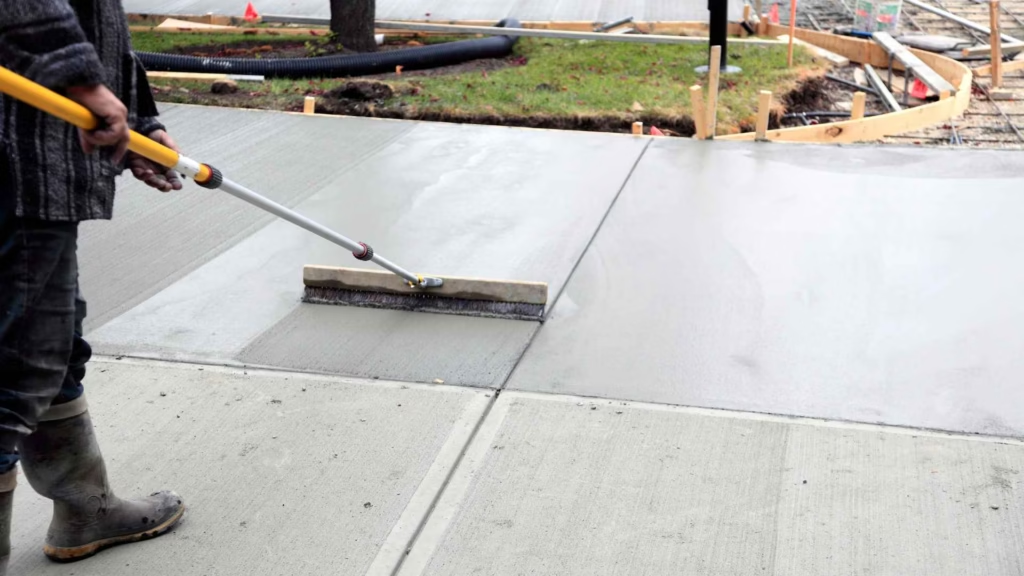
Discover the costs of concrete pour installation in Northern Colorado with Hugo’s Concrete. Our comprehensive guide breaks down the key factors affecting prices, including market dynamics and project specifics. Learn about cost-effective strategies for planning your concrete pour installation in Northern Colorado, ensuring you get the best value for your investment. From affordable concrete installation tips to understanding the nuances of Northern Colorado’s concrete market, this guide covers everything you need to know. Trust Hugo’s Concrete for expert advice on planning and executing your concrete projects efficiently and economically. Market Dynamics: In Northern Colorado, concrete pour installation prices are influenced by various market factors. Factors such as market demand, availability of materials, and local economic conditions play a significant role in determining pricing. Understanding these dynamics can help you anticipate fluctuations in costs and plan accordingly. The level of market demand for concrete services plays a crucial role in pricing. During peak construction seasons, such as spring and summer, The availability and cost of raw materials, such as cement, aggregates, and additives, are pivotal in determining the overall cost of concrete pour installations. Supply chain disruptions, fluctuations in material costs, and changes in import/export policies can all affect material availability and pricing. For instance, a shortage in cement supply or an increase in fuel prices can drive up the costs of materials, subsequently raising the price of concrete pour services. Project Scope: The scope of your concrete pour project is a major determinant of the overall cost. Projects vary in scale and complexity, ranging from small residential driveways to large commercial slabs. Each project comes with its unique requirements, which directly impact pricing. By assessing the scope of your project accurately, you can get a better understanding of the expected costs. Concrete Mix Design: The choice of concrete mix design can significantly impact the overall cost of your project. Factors such as strength, durability, and special additives influence pricing. Higher-quality concrete mixes may come at a premium price but offer enhanced performance and longevity. Understanding the implications of different mix designs can help you make informed decisions while balancing cost and quality. Site Preparation: Proper site preparation is essential for a successful concrete pour installation. Site preparation activities such as excavation, grading, reinforcement, and formwork play a crucial role in ensuring the stability and longevity of the concrete structure. These preparatory tasks require skilled labor, equipment, and materials, all of which contribute to the total project cost. Labor Costs: Labor costs constitute a significant portion of the overall project cost. Skilled labor rates, equipment operation, and project duration considerations all influence labor costs. The complexity of the project and the expertise required can impact labor pricing. Additionally, factors such as accessibility and site conditions may affect labor efficiency, thereby influencing costs. Additional Expenses: In addition to the core components of the project, there may be additional expenses to consider. These include permits, disposal fees, and finishing touches such as staining or sealing. While these expenses may seem minor, they can add up and affect the overall project budget. It’s important to account for these additional costs during the planning stage to avoid unexpected surprises. Competitive Analysis: Conducting a competitive analysis can provide valuable insights into prevailing industry rates and help you evaluate quotes from different contractors. Comparing pricing structures, services offered, and reputation can help you make an informed decision when selecting a contractor for your project. By choosing a reputable and competitive contractor, you can ensure quality results at a fair price. Cost-Saving Strategies: Concrete pour installation without compromising quality is a key consideration for many project owners. There are several cost-saving strategies you can employ to maximize value and minimize expenses. These may include scheduling installations during off-peak seasons to take advantage of lower labor rates, bundling multiple services for discounts, or exploring alternative materials or construction methods. Conclusion: Navigating the complexities of concrete pour installation pricing in Northern Colorado requires a comprehensive understanding of the factors at play. By considering market dynamics, project specifics, and cost-saving strategies, you can plan and budget your projects effectively while ensuring quality results. Whether you’re embarking on a residential driveway project or a large-scale commercial development, being informed about pricing considerations will set you on the path to success. Ready to get started? Let’s make your concrete project a success!
How to Master Gentle Power Washing for Your Concrete Surfaces?
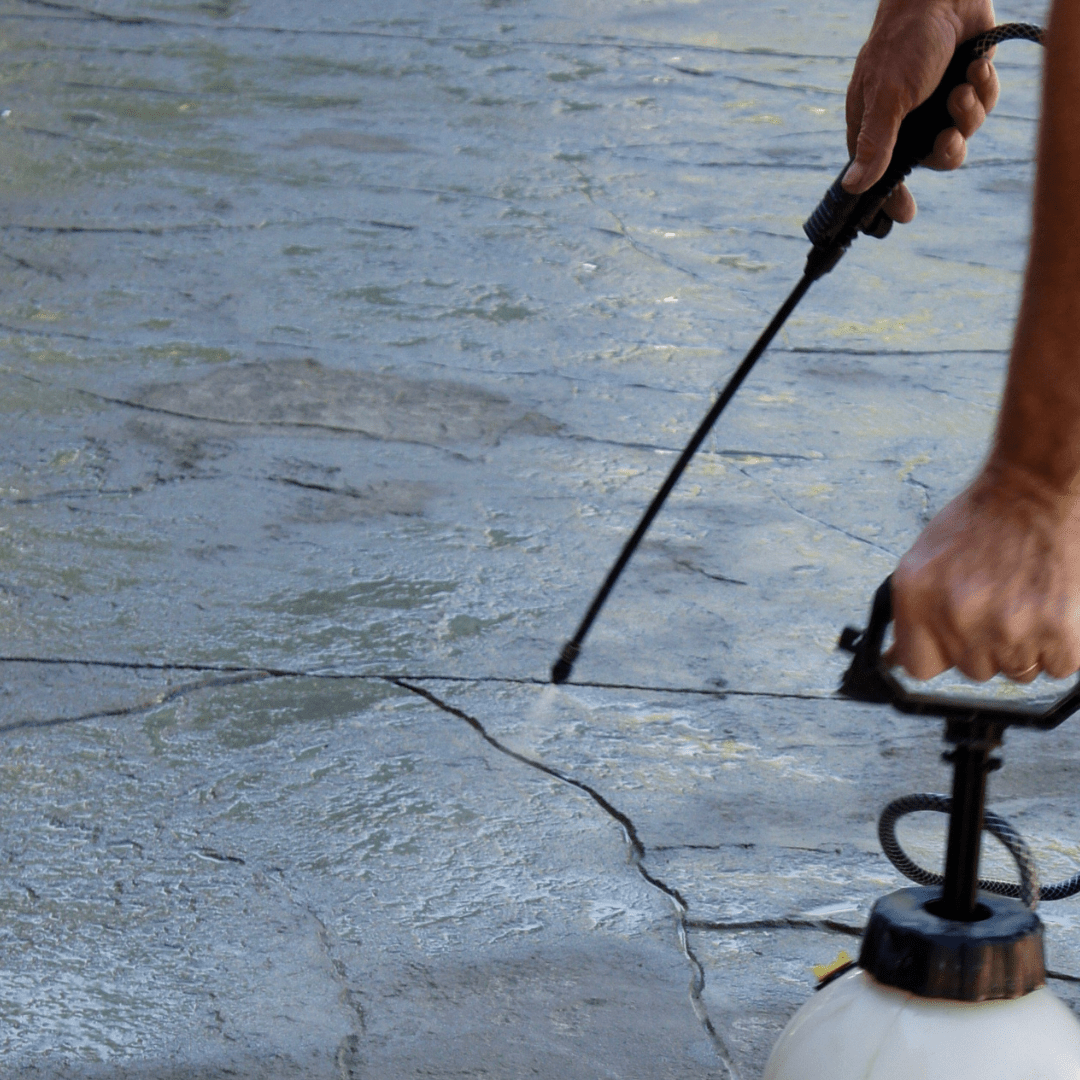
In the realm of property maintenance, few tasks offer the transformative impact and satisfaction of power washing concrete surfaces. Whether it’s your driveway, patio, or sidewalks, gentle power washing can breathe new life into tired, grimy concrete, restoring its original beauty without causing damage. In this comprehensive guide, we’ll walk you through the steps of gently power washing your concrete surfaces, ensuring optimal results while preserving their integrity. Assessing Your Concrete: Before you begin power washing your concrete surfaces, look out for cracks, chips, or areas of loose aggregate that may require special attention. Identify any delicate features, such as decorative patterns or nearby landscaping, that need protection during the cleaning process. Preparation is Key: Clear the area of any obstacles, debris, or loose objects. Trim back vegetation that may be too close to the concrete surface. Cover delicate plants or nearby items with tarps or plastic sheeting to shield them from overspray or debris. Choosing the Right Equipment: Select a suitable power washer for the job. Opt for a machine with adjustable pressure settings, starting with a low-pressure nozzle tip to minimize the risk of damage. Aim for a pressure washer with a PSI (pounds per square inch) rating between 2500 and 3000 for most concrete surfaces. Applying Detergent: Use a specialized concrete cleaner or detergent to pre-treat the surface. Apply the detergent evenly across the concrete using a low-pressure spray attachment. Allow the cleaner to penetrate and loosen dirt, grime, and stains for the recommended dwell time. Starting with Low Pressure: Begin power washing with the lowest pressure setting and gradually increase as needed. Hold the spray wand at a consistent distance from the surface, typically around 12 to 18 inches, to ensure even cleaning. Use broad, sweeping motions, overlapping each pass slightly to prevent streaking. Minding Your Technique: Pay attention to your technique, especially around edges, corners, and delicate areas. Avoid directing the spray at an angle that could cause gouging or etching in the concrete. Take care not to linger too long in one spot, particularly on older or weathered surfaces. Thoroughly Rinsing: Once the detergent has had time to work, thoroughly rinse the concrete surface. Switch to a high-pressure nozzle tip and rinse from top to bottom, working systematically to ensure complete coverage. Flush away any lingering detergent residue to prevent streaking or discoloration. Addressing Stubborn Stains: For particularly stubborn stains, spot treat with a stronger cleaning solution or specialized concrete stain remover. Follow product instructions carefully to avoid damaging the concrete. Allowing for Drying Time: After power washing, allow the concrete surface to dry completely before walking or driving on it. Depending on weather conditions, this may take several hours to a full day. Routine Maintenance: To prolong the results of your power washing efforts, consider implementing a regular maintenance schedule. Periodic cleaning and sealing can help protect your concrete surfaces from future stains and deterioration. By following these steps and exercising caution, you can master the art of gentle power washing for your concrete surfaces. Remember, patience and attention to detail are key to achieving optimal results while preserving the integrity of your concrete. Feel free to reach out to us today through our Contact Us page for any further inquiries or assistance. Our dedicated team is always ready to provide the support you need, whether you have questions about our services, need a quote, or require expert advice on maintaining your concrete surfaces. We pride ourselves on delivering exceptional customer service and ensuring your concrete projects are completed to the highest standards. Don’t hesitate to get in touch; we’re here to help you keep your concrete surfaces looking their best and to assist with any new projects you have in mind. Contact us now and let Hugo’s Concrete be your go-to partner for all your concrete needs!
Mastering Concrete Care: Essential Strategies for Long-Lasting Surfaces
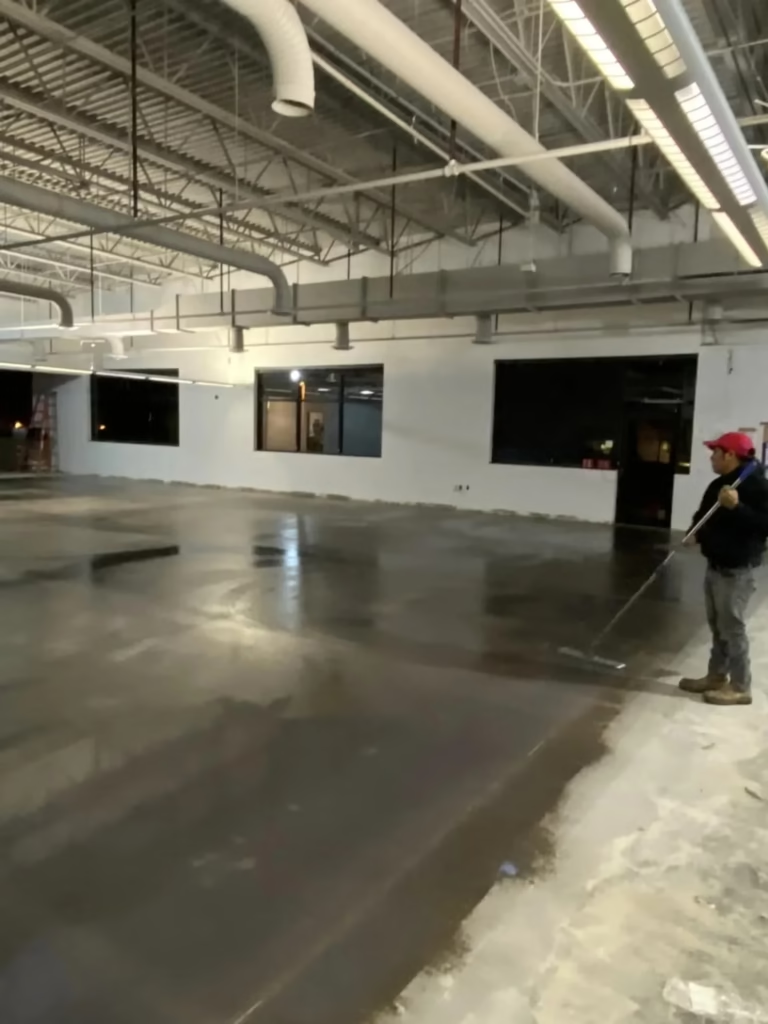
Welcome to Hugo’s Concrete, your professional concrete partner in concrete maintenance excellence. With our unique commitment to quality, we’re here to empower you with the knowledge and strategies needed to preserve the strength and allure of your concrete surfaces. In this important guide, we’ll unveil expert concrete care strategies that not only enhance durability but also elevate your property’s aesthetic appeal. Guarding with Sealants Protecting your concrete against the elements starts with a robust sealing regimen. Applying premium concrete sealants forms a formidable barrier, repelling moisture, stains, and wear. Our recommended sealant partners, such as Perfect Power Wash, offer durable solutions designed to fortify your concrete’s defenses against the toughest challenges. Using high quality concrete sealants can significantly extend the life of your surfaces, making them more resistant to cracks and chipping caused by harsh weather conditions. Navigating Drainage Dynamics Navigating the intricate world of drainage is paramount for safeguarding your concrete’s structural integrity. Efficient drainage systems prevent water buildup, thwarting potential erosion and cracks. Poor drainage can lead to water pooling, which weakens the concrete over time and promotes the growth of algae and mold. Well‑planned drainage solutions channel water away from concrete surfaces, providing long term durability and visual appeal. Masterful Maintenance Rituals Elevate your concrete’s longevity through meticulous maintenance rituals. Regular inspections provides early signs of wear, enabling prompt repairs and preventing costly damage escalation. Simple maintenance tasks, such as sweeping away debris, can prevent minor scratches and surface wear. Empower yourself with proactive cleaning techniques and gentle care products, ensuring your concrete surfaces retain their pristine allure year after year. Regular cleaning with pH-neutral cleaners can help maintain the concrete’s finish without causing damage. Scheduling regular deep cleans can remove stubborn stains and embedded dirt, keeping your concrete surface looking fresh. Harnessing Professional Expertise Hiring experienced professionals takes the pressure off your shoulders, giving you confidence that your that your concrete receives the attention it needs to stay in good condition. Their guidance helps you avoid common mistakes and keeps your surfaces in good shape with far less effort on your part. Working with reputable professionals takes the pressure off your shoulders, giving you confidence that your concrete is being cared for correctly and consistently. Their guidance helps you avoid common mistakes and keeps your surfaces in great shape with far less effort on your part Benefits of Regular Concrete Maintenance Regular concrete maintenance not only preserves the visual appeal of your surfaces but also enhances their functionality and safety. Well-maintained concrete provides a smooth, even surface that reduces the risk of trips and falls. By preventing cracks and surface damage, you can avoid costly repairs and replacements. Additionally, a well-cared-for concrete surface can boost the overall value of your property, making it more attractive to potential buyers or tenants. Choosing the Right Concrete Maintenance Products Selecting the right products for your concrete maintenance is crucial. Choose premium sealants and cleaners that are specifically formulated for concrete surfaces. Avoid using harsh and cheap chemicals that can erode the surface or cause discoloration. Eco-friendly products are a great choice as they are safe for the environment and your family. Investing in high quality products may cost more initially, but they offer long-term benefits by extending the life of your concrete surfaces. Customizing Your Concrete Care Plan Every concrete surface is different, and so are its maintenance needs. Customizing your concrete care plan based on the specific requirements of your surfaces ensures optimal results. Consider factors such as the type of concrete, its exposure to weather conditions, and the amount of traffic you concrete surface gets. Tailored maintenance plans address the unique challenges faced by different surfaces, providing targeted care and protection. Conclusion With these helpful concrete care strategies at your disposal, you’re equipped to conquer the challenges of maintaining long-lasting, beautiful concrete surfaces. Trust Hugo’s Concrete to be your partner in excellence, guiding you towards a future where your concrete stands resilient against the test of time. Ready to embark on this journey towards concrete perfection? Contact us today and let’s elevate your concrete care game together. For more information and expert advice on concrete maintenance, visit Hugo’s Concrete. Our experienced team of professionals is here to assist you with all your concrete needs, ensuring your surfaces remain strong, beautiful, and durable for years to come.