
Top Concrete Trends Transforming Loveland’s Outdoor and Indoor Spaces
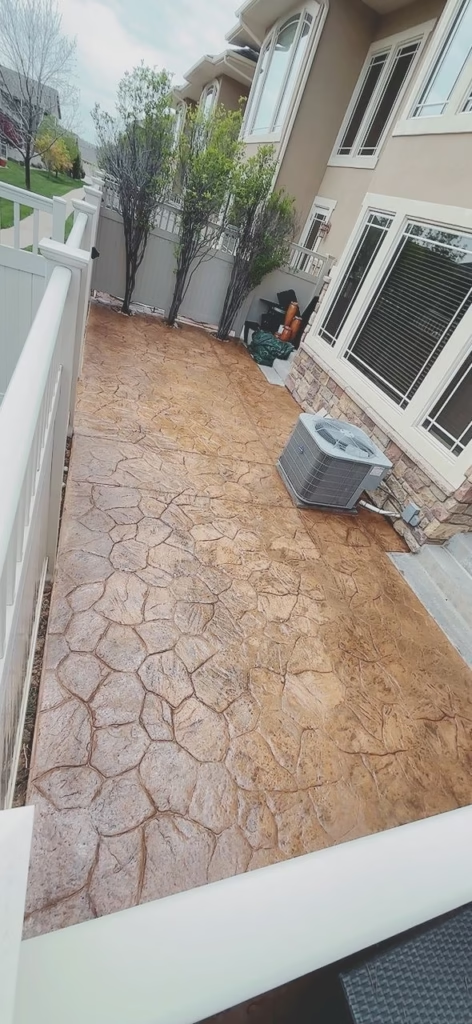
Concrete remains a versatile and popular material for properties in Loveland, Colorado. As trends evolve, both homeowners and business owners are discovering innovative ways to use concrete to elevate their outdoor spaces. From stunning patios and driveways to professional commercial entrances, the latest concrete trends provide durability, aesthetic appeal, and sustainability for Loveland’s properties. This guide explores the top concrete trends that are transforming Loveland’s outdoor spaces, highlighting their benefits for both residential and commercial clients. 1. Stamped Concrete Stamped concrete is increasingly popular for both residential and commercial projects in Loveland. This technique allows property owners to achieve the high-end look of natural materials like stone, brick, or wood—without the high cost and maintenance. For homeowners, stamped concrete is perfect for creating beautiful patios, driveways, and walkways that blend seamlessly with landscaping. For businesses in Loveland, stamped concrete is ideal for creating inviting and professional outdoor areas, such as restaurant patios, office courtyards, and storefront entrances. Its durability and design flexibility make it an attractive option for enhancing the look and functionality of commercial spaces. 2. Polished Concrete for Walkways and Entrances Polished concrete is another trend that is gaining momentum in Loveland for both residential and commercial properties. This trend offers a sleek, reflective surface that adds a modern and sophisticated touch to any outdoor space. Homeowners in Loveland are opting for polished concrete in their driveways, garages, and outdoor entertainment areas to create a contemporary look that stands out. For businesses, polished concrete is a popular choice for storefront walkways and office building entrances. Its durability makes it perfect for high-traffic areas, and its low-maintenance nature is a major benefit for business owners looking to save on upkeep. Additionally, polished concrete’s reflective finish enhances natural light, creating a bright and welcoming environment for customers and clients. 3. Eco-Friendly Concrete Solutions: Sustainable and Practical Sustainability is a growing priority for both homeowners and businesses in Loveland. Eco-friendly concrete solutions, such as pervious concrete, are becoming more popular due to their environmental benefits. Pervious concrete allows water to filter through, helping manage storm water and reducing runoff—a significant advantage in Colorado’s diverse climate. Business owners in Loveland are choosing sustainable concrete options for their driveways and patios to create beautiful, functional, and environmentally responsible outdoor spaces. At the same time, businesses are taking advantage of these options to align with green building practices and attract eco-conscious customers. 4. Colored Concrete in Loveland Colored concrete is another trend making waves in Loveland’s residential and commercial spaces. This technique offers nearly limitless customization, enabling property owners to match the look of their outdoor areas to their design preferences. Business owners and homeowners are using colored concrete for patios, pool decks, and garden paths, adding visual interest and complementing the natural landscape. On the commercial side, businesses in Loveland are incorporating colored concrete in entryways, sidewalks, and parking lots to create a cohesive and branded look that enhances their property’s curb appeal. Whether it’s for a vibrant backyard or a professional-looking storefront, colored concrete provides versatility and aesthetic value. 5. Concrete Resurfacing: Renew Existing Spaces Concrete resurfacing has become a practical and cost-effective trend for Loveland clients looking to refresh their outdoor areas without a complete overhaul. Resurfacing involves applying a new layer over existing concrete surfaces, which can include decorative finishes like stamping, staining, or polishing. Homeowners and business owners often choose concrete resurfacing to give aging driveways and walkways a modern update. Commercial clients benefit from this trend as well, using it to refresh heavily trafficked areas such as storefront entrances, courtyards, and sidewalks, ensuring their business spaces look polished and inviting. 6. Exposed Aggregate Concrete: Texture and Durability Combined Exposed aggregate concrete offers a textured and decorative finish by revealing small stones within the concrete surface. This trend is gaining popularity for creating slip-resistant and visually appealing surfaces. For Loveland homeowners, exposed aggregate concrete is often used for pool decks, garden paths, and outdoor patios, providing both aesthetic appeal and functionality. Commercial properties such as office complexes and shopping centers use this trend to enhance walkways and entry paths, creating durable, high-traffic areas that maintain their appearance over time. 7. Heated Concrete Surfaces: Overcoming Colorado Winters Loveland’s winter weather can be harsh, and heated concrete surfaces are becoming a preferred solution for both residential and commercial properties. By installing heating elements beneath concrete driveways, sidewalks, and entryways, snow and ice are quickly melted, reducing the need for manual snow removal and enhancing safety. Homeowners are using heated concrete for driveways and patios, ensuring their outdoor spaces remain accessible during the winter months. Meanwhile, businesses such as retail stores and offices are investing in heated sidewalks and entrances, keeping their properties safe for customers and employees even in snowy conditions. Conclusion: The concrete trends shaping Loveland’s outdoor spaces offer numerous options for both homeowners and businesses. From stamped and colored concrete to polished finishes and eco-friendly solutions, these trends allow property owners to create durable, attractive, and functional areas that add long-term value. “Ready to transform your outdoor or indoor space with the latest concrete trends? Contact our team today for a free consultation and see how we can bring your vision to life, whether for your home or business in Loveland!”
How Polished Concrete Floors Are Transforming Colorado Commercial Properties
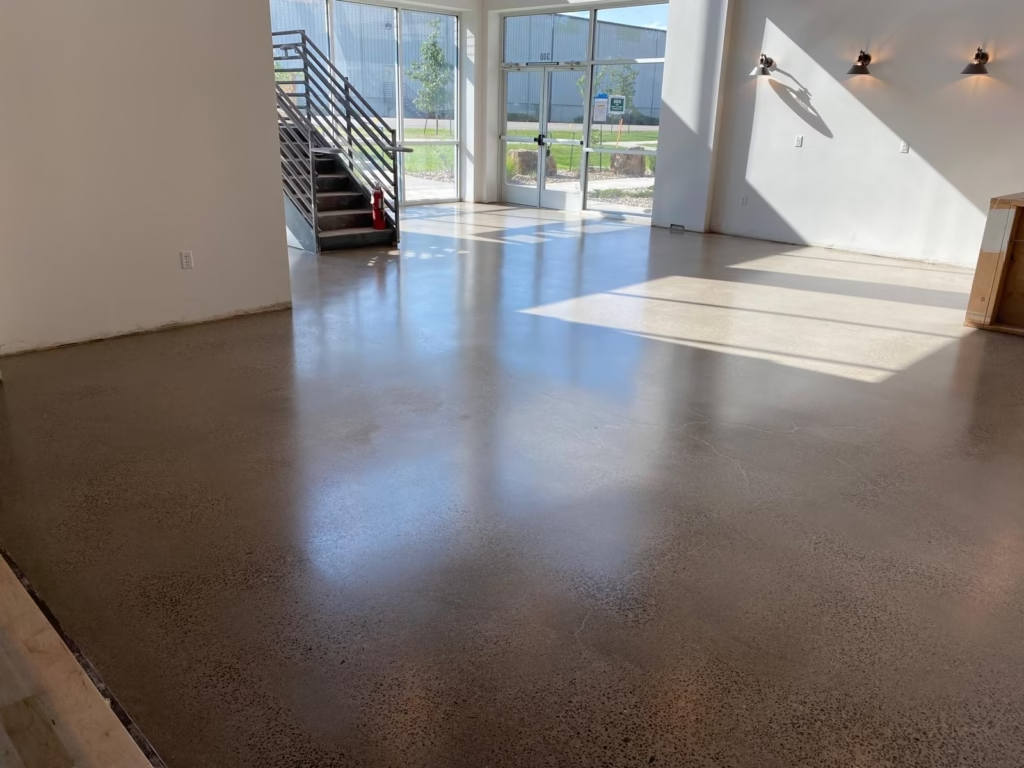
1. Durability for High-Traffic Floors Polished concrete floors are transforming Colorado commercial properties with their durability, low maintenance, and eco-friendly benefits. Polished concrete floors have also become an increasingly popular choice for commercial properties in Colorado, from Denver’s bustling business districts to the expanding industrial hubs in Northern Colorado. Once considered a utilitarian flooring option for warehouses and factories, polished concrete has evolved into a sleek, durable, and eco-friendly solution for a wide range of commercial spaces. Whether you manage a retail store, restaurant, office, or industrial facility, polished concrete flooring can enhance the aesthetic appeal and functionality of your business space. In this post, we’ll explore how polished concrete floors are transforming commercial properties across Colorado, why this trend continues to grow, and the long-term benefits that make it such a smart investment. 2. Eco-Friendly Flooring Solution As Colorado places more emphasis on sustainability and eco-friendly building practices, polished concrete floors have emerged as a green choice for commercial properties. Since polished concrete uses the existing concrete slab, it eliminates the need for additional materials like carpet, hardwood, or tiles. This reduces the demand for new raw materials and minimizes waste during the construction or renovation process. Moreover, polished concrete floors can improve energy efficiency in commercial spaces. Their reflective surface enhances natural lighting, reducing the need for artificial lighting during daylight hours. This not only saves on energy costs but also contributes to a more sustainable business operation. 3. Low Maintenance and Cost-Effective One of the most attractive features of polished concrete floors for Colorado businesses is their low maintenance. Polished concrete requires little more than regular sweeping and mopping to keep it clean and shiny. Unlike other flooring materials that may require waxing, refinishing, or deep cleaning, polished concrete maintains its appearance with minimal effort. This ease of maintenance translates into long-term cost savings for commercial property owners. Business owners can avoid the high costs associated with regular floor replacements, deep cleaning services, or maintenance supplies required for other flooring options like carpet or tile. For Colorado businesses that need a cost-effective flooring solution without sacrificing aesthetic appeal, polished concrete floors are a top contender. 4. Aesthetic Versatility for Any Commercial Space While polished concrete is often associated with industrial spaces, it’s also a versatile flooring option that can be adapted to suit a variety of commercial settings. Colorado businesses in sectors such as retail, hospitality, and corporate offices have embraced polished concrete for its modern, sleek appearance. Polished concrete can be customized with decorative elements like stains, dyes, and patterns, allowing business owners to match their flooring to their brand’s aesthetic. Whether you’re looking for a high-gloss finish for a luxury retail space in Cherry Creek or a more industrial, matte look for a tech office in Boulder, polished concrete can be tailored to fit the needs of any business. 5. Health and Safety Benefits Polished concrete floors can also contribute to a safer, healthier environment in commercial properties. Their smooth surface is less prone to accumulating dust, allergens, or mold, making them a great choice for businesses in Colorado’s dry climate. Additionally, polished concrete floors offer excellent slip resistance when sealed properly, helping reduce the risk of accidents in high-traffic areas. For businesses that prioritize the health and safety of employees and customers, polished concrete provides a practical and reliable flooring solution. Transforming Colorado’s Commercial Spaces with Polished Concrete As Colorado continues to grow, with commercial developments spanning from Denver’s urban core to Fort Collins‘ expanding business landscape, polished concrete floors are leading the way in transforming these spaces. The combination of durability, aesthetic flexibility, sustainability, and low maintenance makes polished concrete a smart investment for any business looking to upgrade its flooring. From tech companies and retail stores to restaurants and warehouses, polished concrete is helping Colorado businesses achieve a balance between style and practicality. As the trend toward polished concrete continues to rise, it’s clear that this flooring solution is here to stay, transforming the look and feel of commercial properties throughout the state. Polished concrete floors have become an essential part of modernizing and upgrading commercial properties in Colorado. Whether you’re managing a commercial building in Denver, Boulder, or Fort Collins, polished concrete offers a durable, cost-effective, and eco-friendly flooring solution that meets the demands of high-traffic spaces while enhancing the overall aesthetic. By investing in polished concrete floors, Colorado business owners are not only improving the functionality of their spaces but also contributing to a more sustainable future. If you’re looking for a flooring option that can withstand the rigors of daily business operations and maintain its beauty over time, polished concrete is an excellent choice for any commercial property in Colorado. Contact Hugo’s Concrete to schedule your free estimate! Call us 970-988-3198
The Ultimate Guide to Concrete Curing: Balancing Time and Durability

Concrete curing is one of the most critical aspects of construction, yet it’s often misunderstood or overlooked. Proper curing is essential for achieving the desired strength, durability, and longevity of your concrete structures. This comprehensive guide will delve into the importance of concrete curing, the factors that influence it, and best practices to ensure your concrete projects stand the test of time. What is Concrete Curing? Concrete curing is the process of maintaining adequate moisture, temperature, and time to allow the concrete to achieve its designed strength and durability. Unlike drying, which merely refers to the loss of moisture from the concrete’s surface, curing involves creating the right conditions for the hydration of cement particles. This hydration is essential for the chemical reactions that result in hardened concrete. Why Curing Matters? Proper curing is crucial for several reasons: Factors Influencing Concrete Curing Time Several factors influence the curing time and effectiveness of concrete: Best Practices for Concrete Curing To ensure your concrete cures correctly, follow these best practices: Common Curing Methods Curing Times for Different Types of Concrete Common Mistakes to Avoid Ready to start your next project? Concrete curing is one of the most important factors in any concrete project, but it’s just one part of the equation. At Hugo’s Concrete we bring over 18 years of experience to every job. Whether you’re planning a new driveway, a patio or maybe a concrete polishing project, ou team is here to guide you every step of the way. Contact Hugo’s Concrete today for a free consultation and learn how we can help you achieve long-lasting, high-quality results with expert concrete services.
Pouring Concrete in the Rain: A Comprehensive Guide for Best Practices and Precautions
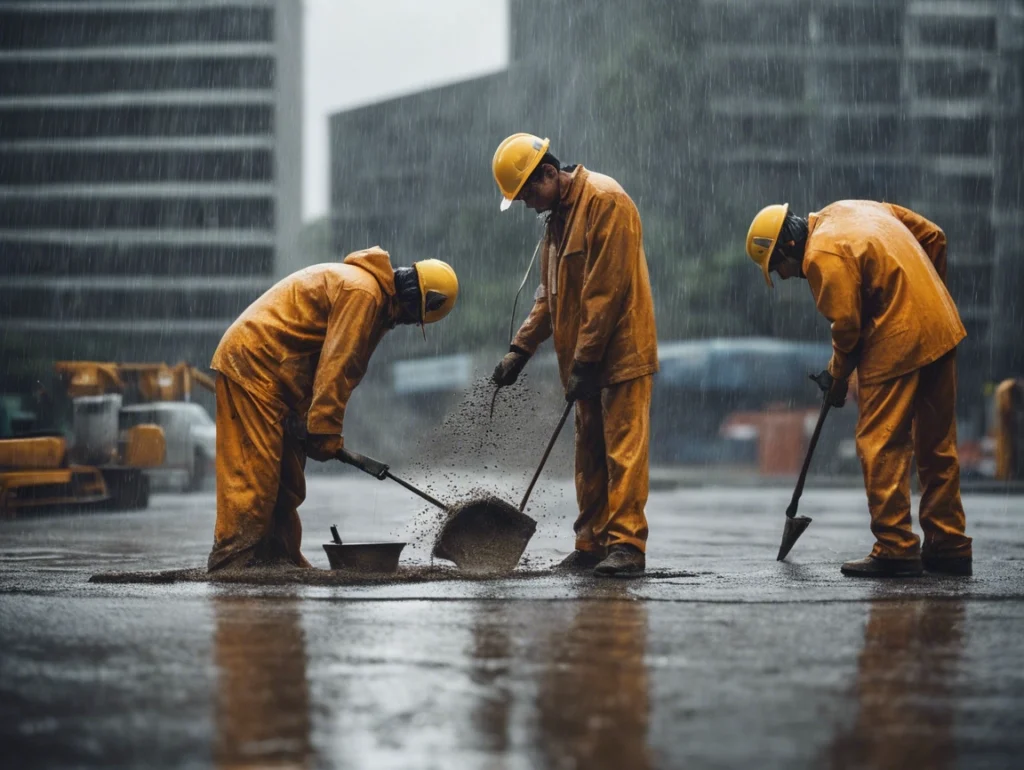
Why Pouring Concrete in the Rain Can Be Challenging? When it comes to construction, one of the most common questions is, “Can you pour concrete in the rain?” The answer is complex, and it largely depends on several factors such as the severity of the rain, the type of concrete being used, and the timing. Pouring concrete during rainy weather can result in weakened surfaces, cracks, or delays in curing, but with the right precautions, it is possible to achieve a solid and durable finish. In this guide, we’ll explore the best practices, challenges, and professional tips for pouring concrete in the rain, ensuring your project remains on track regardless of the weather. 1. Understanding the Challenges of Pouring Concrete in the Rain Key Points to Consider: Water-to-Cement Ratio: Excess water can disrupt the critical water-to-cement ratio, leading to weak concrete. Surface Damage: Rain can cause surface damage, leaving the top layer of concrete brittle and prone to dusting. Curing Time: Moisture slows the curing process, which can delay the overall project. Pouring concrete in the rain is a gamble if not managed correctly. Rainwater can dilute the concrete mix, resulting in a bad structure. Even light showers can affect the surface, causing issues like scaling, efflorescence, and unwanted staining. Moreover, excessive water on the surface can compromise the strength and longevity of your slab. To avoid these pitfalls, it is crucial to prepare ahead and follow specific procedures. 2. Best Practices for Pouring Concrete in Wet Conditions Step 1: Monitor the Weather Before starting any concrete pour, check the weather forecast. If light rain is predicted, it’s best to postpone the project if possible. However, for urgent projects where delay isn’t an option, monitor the conditions closely to prevent major issues. Step 2: Use Plastic Sheeting or Tarps Cover your work area with waterproof sheeting before the rain begins. Make sure the edges are securely weighed down so water cannot seep in. Have extra sheeting on hand to cover the freshly poured concrete until it is set enough to resist damage. Step 3: Prepare the Ground Properly One major issue is that rainwater can pool on the ground, causing mud and other debris to mix with your concrete. Ensure that the ground is compacted and prepared properly to prevent water pooling. Lay down gravel or sand as a base to avoid direct contact with wet ground. Step 4: Use Quick-Setting Concrete Quick-setting concrete is ideal for rain-prone areas as it hardens faster, reducing the window of vulnerability during downpours. Additives can also be mixed into the concrete to accelerate the drying process, making it less susceptible to water damage. Step 5: Avoid Overworking the Surface Once the concrete has been poured, avoid overworking the surface as this can draw excess water to the top. Allow the concrete to set naturally before applying any finishing touches. Step 6: Post-Pour Protection Once the concrete is set, continue protecting it from rain for at least 24 hours. Use additional coverings and ensure that the area is free from puddles. This is especially important if heavy rains are expected overnight. 3. Adjusting the Concrete Mix for Wet Conditions Concrete Mix Adjustments: The most effective strategy when pouring concrete in wet weather is to modify the mix itself. Consider using the following adjustments: Reduce Water Content: Lower the water-to-cement ratio to compensate for any additional moisture introduced by rain. Include Air-Entraining Admixtures: These admixtures help the concrete resist the detrimental effects of rain by improving its workability and freeze-thaw durability. Use Hydrophobic Additives: These specialized additives reduce water permeability, enhancing the concrete’s resistance to water-related damage. With the right mix adjustments, even rainy weather won’t compromise the structural integrity of your concrete pour. Speak with your concrete supplier about adding rain-resistant chemicals and additives to ensure a successful outcome. 4. Post-Pour Precautions and Maintenance Cover and Protect the Area After pouring, it is crucial to shield the concrete from further water exposure. Continue using tarps or plastic covers, especially during the curing period. Make sure the cover doesn’t come into direct contact with the surface, as this can leave marks or damage the finish. Monitor the Curing Process Concrete curing is essential to its long-term strength. Rain can interfere with curing, causing prolonged drying times or uneven surfaces. Monitor the curing process closely, ensuring that the environment stays at a stable temperature and moisture level for optimal results. Fixing Minor Damage In the event that rain has already impacted the surface, minor surface repairs can be made. This includes using patching compounds or skim coats to repair superficial cracks or imperfections. These repairs should be completed before the concrete fully cures. 5. When to Delay the Pour Severe Rain Conditions There are times when even the best precautions won’t be enough. Severe rainstorms, thunderstorms, or continuous downpours are clear indicators that pouring concrete should be delayed. In such cases, it’s better to wait for clearer weather rather than risk an entire project’s integrity. Ground Saturation If the ground is overly saturated, it may cause long-term problems for your concrete, such as poor bonding or structural instability. Postponing the pour until the ground dries is often the best option to ensure the foundation’s strength. Final Thoughts on Pouring Concrete in Wet Conditions Now that you’re equipped with the knowledge to pour concrete in the rain, the next step is to put these tips into action. However, even with the best guidance, certain weather conditions can still present challenges beyond your control. If you want to ensure your project’s success, consider reaching out to a professional contractor with experience handling weather-impacted concrete pours. They can help assess the conditions, make the right mix adjustments, and implement the necessary protections to safeguard your investment. Don’t take chances with your concrete project—contact us to discuss your specific needs, get personalized advice, and guarantee a durable, high-quality result even when the weather doesn’t cooperate. Whether you’re planning a small home improvement or a large-scale construction project, professional guidance
Top Trends in Concrete Flooring: What to Expect in 2025
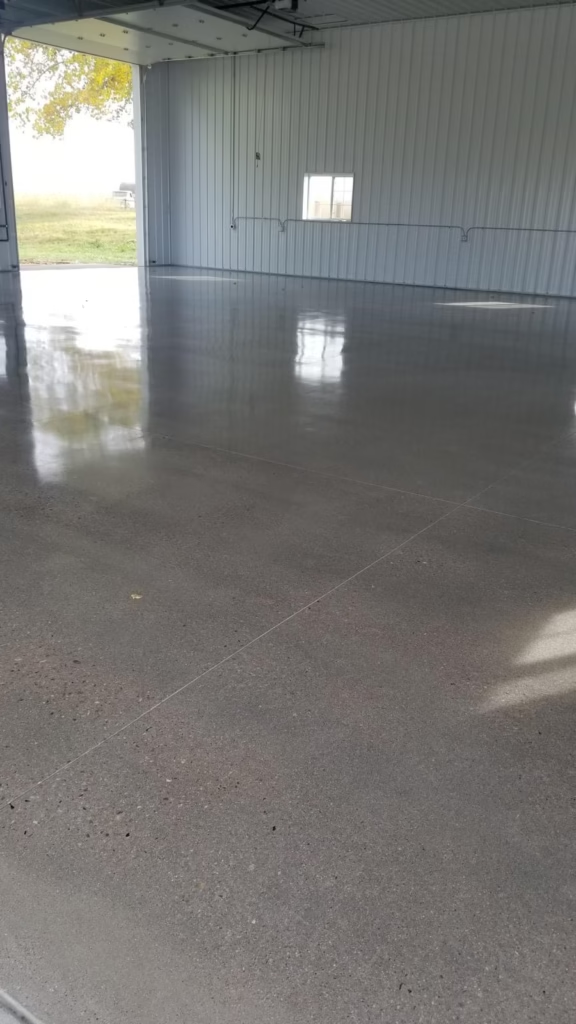
As we look forward to 2025, the concrete flooring industry is set to adopt innovative trends that perfectly blend aesthetics, functionality, and sustainability. These advancements are not only transforming the way we design our residential and commercial spaces but are also setting new benchmarks for environmental responsibility and design versatility. Here’s a guide on top trends in concrete flooring for 2025 , look at what to expect in the evolving world of concrete flooring: 1. Eco-Friendly Innovations The concept of sustainability, considering it is a major influence in the construction industry and leading those involved in producing concrete to increasingly use green technologies. Next year will see a strong move towards the recycling of materials in our concrete mixes, with crushed glass, slag and reclaimed industrial byproducts becoming to norm. These eco-friendly practices help minimize environmental impact while enhancing the structural integrity and visual appeal of concrete flooring, making green choices accessible and practical for builders and homeowners alike. 2. Polished and Decorative Finishes Polished concrete floors will maintain their popularity for their durability and low maintenance, complemented by advanced polishing techniques that introduce a broader spectrum of visual effects ranging from ultra-high-gloss to refined matte finishes. At the same time, fancy imitation blends (faux designs) of ultra-luxe ingredients such as marble and granite will be highly in-demand due to a variety of stylishly high-end clients combined with money conscious homeowners. 3. Enhanced Stained Concrete Concrete staining technology will improve significantly featuring longer-lasting, deeper colors with improved UV protection. A variety of more subdued, warm shades with a few bright colors will keep these tints from going muddy under direct sunlight. As a result, every day more people are opting to choose stained concrete for indoor and outdoor use allowing it blend in almost any design style. 4. Integrated Heating Systems With energy efficiency gaining focus, radiant heating systems integrated within concrete floors will become more widespread. These systems distribute heat uniformly, enhancing the thermal comfort of spaces while reducing overall heating costs. A sought-after trait in colder climes, this renders concrete floors a year-round convenient option for any environment. 5. Textured and 3D Concrete Textured finishes will evolve to offer not just aesthetic enhancements but functional benefits such as improved slip resistance. Introduction 3D printing technology is now being used to D texture, which will enable the production of custom-designed complex forms besides decorative elements for floor finishes that are safe and designed aesthetically. And practical, providing safe and stylish flooring options. 6. Seamless Indoor-Outdoor Living Continuing in the vein of collapsing indoor and outdoor living spaces, concrete flooring will be implemented to unite interior with exterior accompaniment during fluctuating weather while its uniformity fulfills a signature aesthetic. Living that embraces the outdoors this trend caters to our aspirations for spaces at home where outdoor living is integrated into interior comfort making all areas liveable and enjoyable. 7. Epoxy Flooring Innovations Epoxy flooring will experience significant advancements in both durability and design options. Stronger formulas with more resistance to long-term harsh conditions and greater traffic volume will be introduced, as well as new aesthetic options such custom coloration processes and material simulation effects that will make the epoxy floors more versatile for all types of buildings. Hugo’s Concrete: A Leader in Innovation Hugo’s Concrete remains at the forefront of these trends, having successfully completed numerous commercial and residential projects throughout Northern Colorado. With a steadfast focus on innovation and quality, Hugo’s Concrete is the ideal partner for integrating these exciting new trends into your next flooring project. Conclusion The concrete flooring industry in 2025 is poised for a revolution, with trends that emphasize sustainability, aesthetic diversity, and advanced functionality. Whether for residential or commercial floors, embracing these trends with Hugo’s Concrete ensures your flooring solutions are not only stylish but built to last, reflecting both modern tastes and environmental consciousness.
DIY Concrete Patio Projects: Tips and Tricks for Homeowners in Northern Colorado
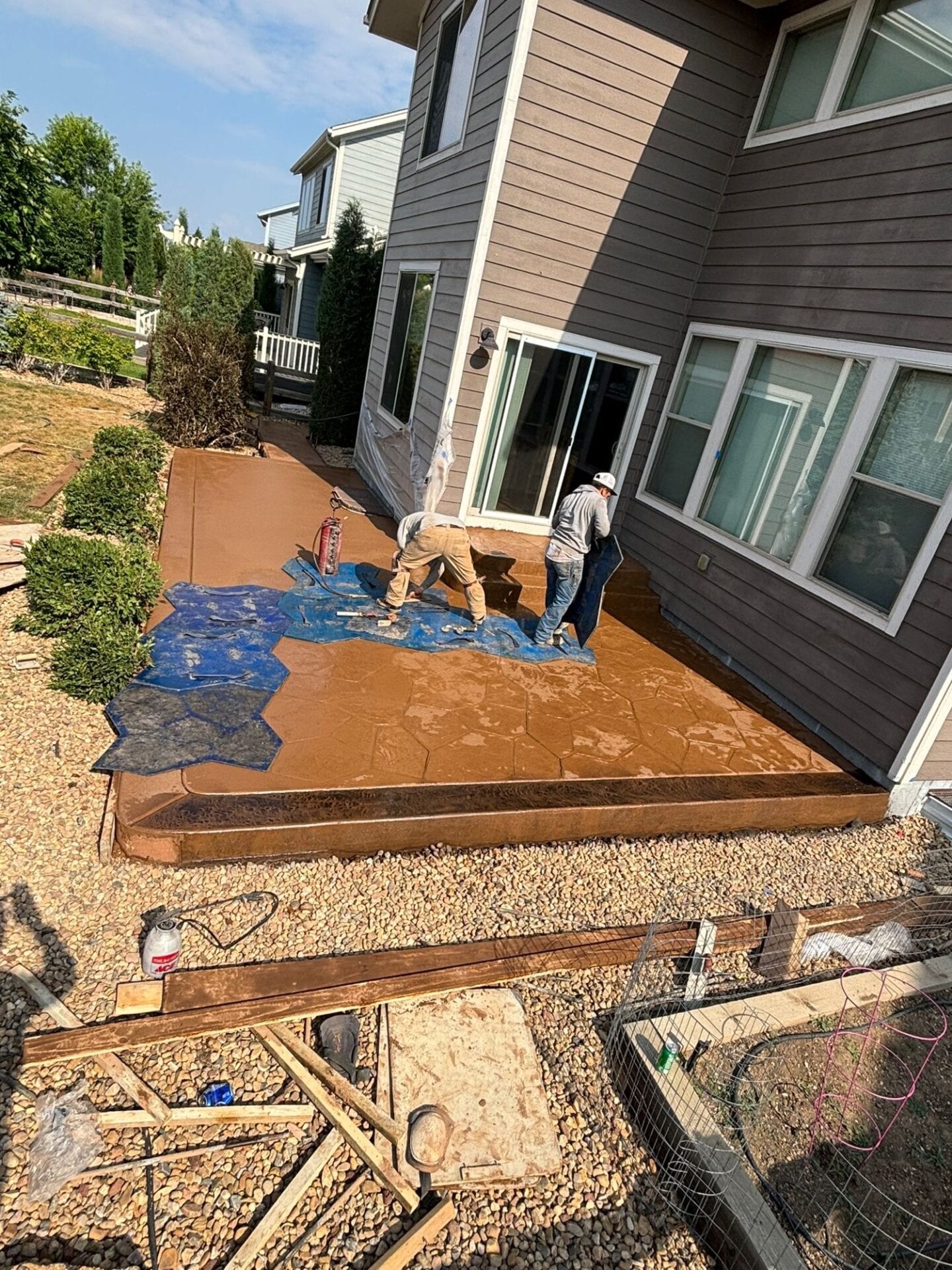
Building a concrete patio is a popular project among homeowners looking to enhance their outdoor living spaces. DIY concrete patio can be a little challenging, so whether you’re considering a small or large project, understanding the process and knowing when to call in professionals are key to success. This guide will walk you through the steps for creating a concrete patio, tailored especially for residents of Northern Colorado, where both climate and local aesthetics play important roles in decision-making. Understanding the Scope of Your Concrete Patio Project Small DIY Projects: For smaller patios, the DIY approach can be manageable and rewarding. This involves selecting a straightforward area in your yard, preparing the site, mixing and pouring concrete, and applying basic finishes. It’s a great weekend project that can add functionality and appeal to your home. Large Projects: For larger or more complex designs, such as those involving multiple levels, intricate patterns, or substantial groundwork, hiring a reputable concrete contractor like Hugo’s Concrete is advisable. Professional contractors bring expertise in handling challenges related to site preparation, design, and long-lasting installation that DIY efforts might miss. Planning Your DIY Concrete Patio Design and Layout: Start by choosing a location for your patio. Consider sun exposure, proximity to your home, and how you plan to use the space. Sketch out a basic design, noting dimensions and any special features like borders or steps. Materials Needed: Installation Steps 1. Site Preparation: Clear the area of any vegetation, rocks, and debris. Level the ground, and ensure proper drainage by sloping the surface slightly away from any structures. 2. Building the Form: Construct a form out of wooden boards to contain the concrete. Ensure it’s sturdy and level. 3. Subbase Installation: Lay a gravel subbase to aid drainage and prevent soil erosion underneath the concrete. Over the gravel, add a layer of sand to create a smooth, level surface. 4. Mixing and Pouring Concrete: Mix concrete according to manufacturer instructions. Pour the concrete into the form, spreading it evenly. Shake or tap the form to remove air pockets and ensure the concrete settles evenly. 5. Finishing Touches: Once the concrete is poured, level it with a screed board. Then, smooth the surface with a float and add any desired concrete textures before the concrete sets. Edge the perimeter for a great finish. 6. Curing: Allow the concrete to cure slowly, keeping it moist for several days. This method ensures the strength and durability of the patio. Maintenance and Upkeep Maintaining your concrete patio is essential, particularly in Northern Colorado’s variable climate. Regular cleaning and resealing every few years are crucial to protect the surface and prolong its lifespan. It’s important to routinely inspect for any cracks or signs of wear and address these issues immediately to prevent further deterioration. In addition to basic maintenance, consider applying a high-quality sealant to guard against moisture and temperature changes. Taking proactive steps will ensure that your patio remains beautiful and functional for years to come.. When to Call a Professional While DIY projects can be exciting and fulfilling, certain scenarios call for professional expertise. Hugo’s Concrete is highly experienced with complex projects, custom designs, and challenging installations. For substantial undertakings or when high-quality, lasting results are paramount, partnering with professionals ensures that your investment is sound and your property is enhanced in the best possible way. Conclusion Whether you choose to DIY your small concrete patio or hire experts like Hugo’s Concrete for a more significant project, the key to success lies in careful planning, understanding the process, and knowing your limits. With the right approach, your new patio will provide years of enjoyment and add considerable value to your home in Northern Colorado.
Top 5 Concrete Contractors in Northern Colorado: Clients Reviews & Ratings
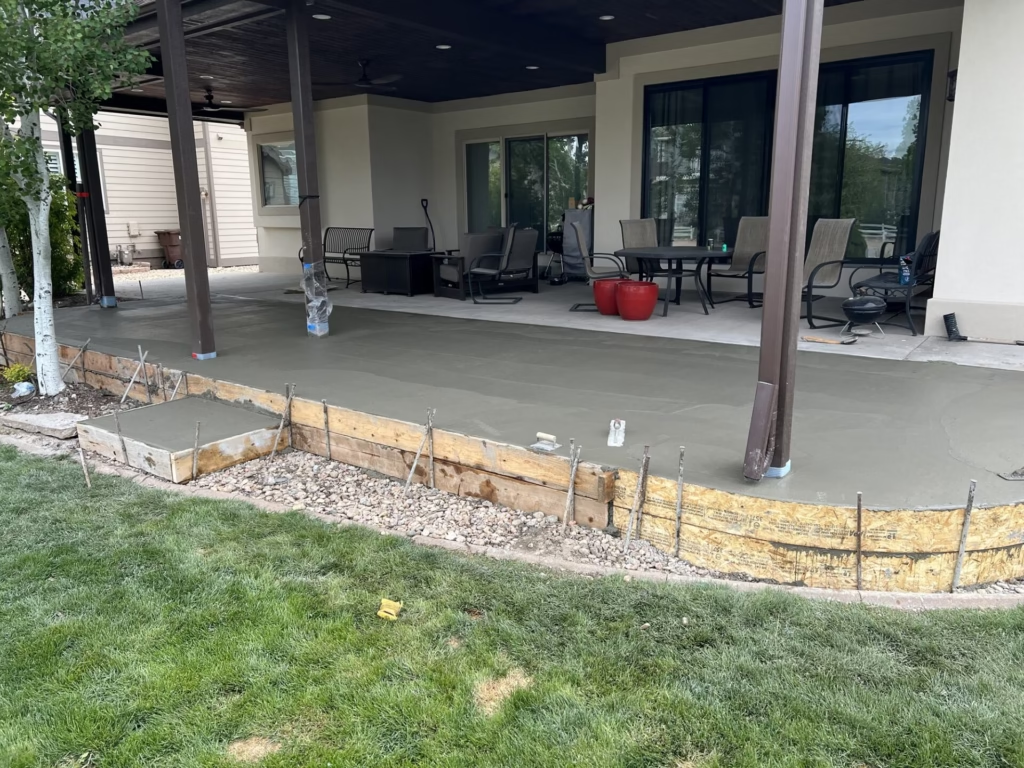
When it comes to concrete construction and concrete floors in general , choosing a reliable and skilled contractor is essential for ensuring quality and durability. Northern Colorado is home to several outstanding concrete contractors, each offering unique strengths and services. Discover the top five concrete contractors in Northern Colorado, ideal options when you’re searching for concrete contractors near me for your next outdoor project. 1. GLH Construction LLC “Whatever your infrastructure needs, our team of experienced general contractors are ready to deliver the highest quality infrastructure for your commercial, private sector, and residential projects” They specialize in concrete work. 2. Sprague Structural Solutions “Sprague Structural Solutions is your trusted expert for concrete leveling, concrete repair, and spray foam insulation. Using proven, warranted products and systems, we provide long-lasting solutions for Fort Collins homes and commercial buildings”. 3. Lobos Custom Concrete LLC “Our vision at Lobos Custom Concrete is to connect you with beautiful and structural work through integrity. We achieve this by providing excellent customer service” 4. Lightfield Enterprises, Inc Lightfield Enterprises, Inc. has provided concrete services to the City of Fort Collins, as well as many residences, municipalities, businesses, and schools. Lightfield is one of Northern Colorado’s leading concrete contractors based in Fort Collins, but serving all of Northern Colorado and the Denver Metro area. 5. Sons of Concrete LLC “Sons of Concrete LLC is a respected residential concrete company. We’re based in Gilcrest, CO and serve clients within a 60-mile radius of Fort Collins. If you need a new patio, driveway or an upgrade to your existing concrete, we’re the crew to call on”. Honorable Mention: Hugo’s Concrete While the above contractors are among the best in Northern Colorado, Hugo’s Concrete deserves special mention for their exceptional services. Known for their expertise in concrete polishing, epoxy flooring, driveways, patios, and stamped concrete, Hugo’s Concrete combines quality and innovation to deliver outstanding results. Hugo’s Concrete is highly rated in Northern Colorado, and you can check out their reviews on Google to see why they are a preferred choice for many clients. Check out Hugo’s Concrete reviews. Selecting the right concrete contractor is crucial for the success of your project. The contractors listed above are known for their expertise, quality workmanship, and dedication to customer satisfaction. Whether you need residential or commercial concrete services, these contractors offer a range of solutions to meet your needs. When planning your next concrete project, consider reaching out to one of these top-rated contractors to ensure you receive the best possible results. Disclaimer When choosing a contractor, it is important to conduct due diligence. We recommend researching each contractor thoroughly, reading reviews, and possibly contacting previous clients. This will help ensure you select the best contractor for your specific needs and project requirements.
Transforming Outdoor Spaces with Custom Concrete Patios
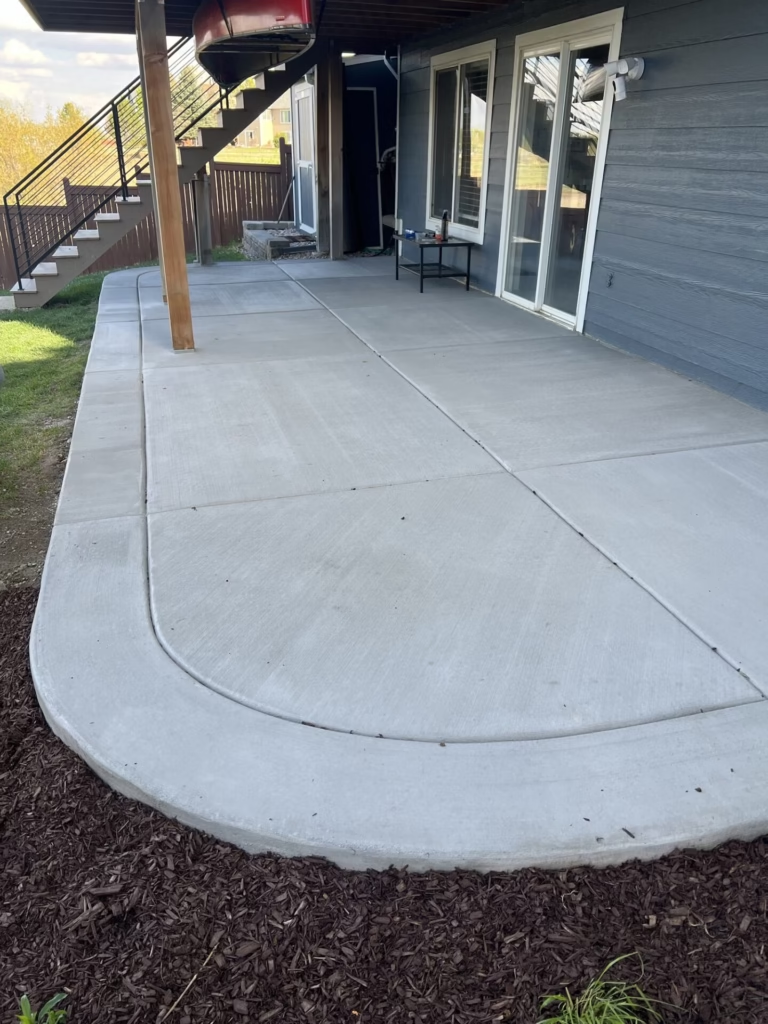
Outdoor spaces are an extension of our homes, offering a place to relax, entertain, and enjoy the beauty of nature. Custom concrete patios are an excellent way to transform these spaces, providing durability, versatility, and aesthetic appeal. At Hugo’s Concrete, we specialize in creating beautiful and functional concrete patios that enhance the value and enjoyment of your property. In this article, we’ll explore the benefits of custom concrete patios, design options, maintenance tips, and why Hugo’s Concrete is the best choice for your project in Northern Colorado. The Benefits of Custom Concrete Patios Durability and Longevity One of the primary benefits of concrete patios is their durability. Concrete is a robust material that can withstand heavy use and harsh weather conditions, making it ideal for indoor and outdoor applications. Unlike wood or composite materials, concrete doesn’t require frequent replacement. With proper installation and maintenance, a concrete patio can last for decades, providing a long-term solution for your outdoor space. Versatility in Design Concrete patios offer unparalleled versatility in design. With a wide range of finishes, colors, and textures available, you can customize your patio to match your aesthetic preferences and complement your home’s architecture. Options include stamped concrete, which can mimic the look of natural stone, brick, or wood, and colored concrete, which adds a vibrant or subtle hue to the surface. These customization options allow you to create a unique and personalized outdoor space. Low Maintenance Concrete patios are relatively low maintenance compared to other materials. Regular cleaning and occasional sealing are typically all that’s needed to keep your patio looking its best. Unlike wood decks that require staining or sealing every few years, concrete patios maintain their appearance with minimal effort. This makes them an attractive option for homeowners seeking a hassle-free outdoor space. Cost-Effective When considering the longevity and low maintenance requirements, concrete patios are a cost-effective choice. While the initial installation cost might be comparable to other materials, the long-term savings on maintenance and replacement make concrete a wise investment. Additionally, the increased property value and enhanced curb appeal provided by a custom concrete patio can offer a good return on investment. Design Options for Custom Concrete Patios Stamped Concrete Stamped concrete is a great choice for custom patios due to its ability to replicate the look of more expensive materials like stone, brick, or slate. The stamping process involves pressing patterns into the wet concrete to create beautiful textured surface. This technique allows for a wide range of design possibilities, from rustic cobblestone to sleek modern tiles. Colored Concrete Adding color to your concrete patio can significantly enhance its visual appeal. Integral coloring involves mixing the color into the concrete before pouring, ensuring even distribution throughout the slab. Surface coloring methods, such as staining or dyeing, offer additional customization options, allowing you to create intricate designs or match specific color schemes. Exposed Aggregate Exposed aggregate concrete patios have a distinctive texture created by removing the top layer of concrete to reveal the underlying aggregate. This finish is not only visually appealing but also provides a slip-resistant surface, making it ideal for pool decks and other high-traffic areas. The variety of aggregate materials available allows for further customization in terms of color and texture. Smooth Finishes For a sleek and modern look, smooth concrete finishes are an excellent choice. This finish involves polishing the concrete surface to achieve a smooth, reflective appearance. Smooth finishes are ideal for contemporary outdoor spaces and can be combined with other design elements, such as decorative borders or inlays, to create a sophisticated patio. Maintenance Tips for Concrete Patios To ensure the longevity and beauty of your concrete patio, follow these maintenance tips: Why Choose Hugo’s Concrete for Your Custom Patio At Hugo’s Concrete, we are dedicated to delivering exceptional craftsmanship and customer service. Our team of skilled concrete professionals has extensive experience in designing and installing all types custom concrete patios, ensuring each project meets the highest standards of quality and durability. Here’s why you should choose us for your next patio project: Transform your outdoor space with a unique custom concrete patio from Hugo’s Concrete. Whether you’re looking for a stylish stamped concrete design or a sleek smooth finish, our team is here to help you create the perfect patio for your home. Contact us today for a free consultation and estimate. Let Hugo’s Concrete turn your vision into reality and enhance your property’s value and appeal with our expert concrete services.
Concrete Polishing vs. Epoxy Coating: The Best Commercial Flooring Choice for 2026
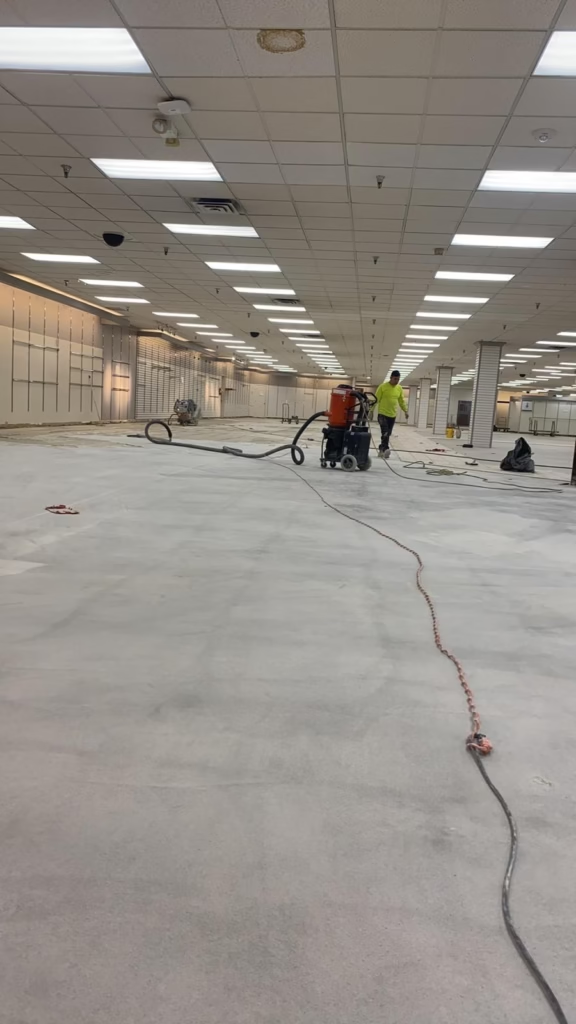
Understanding the Best Commercial Flooring Options for Modern Facilities Commercial buildings today need flooring that can withstand constant use, support safety standards, reduce maintenance costs, and maintain a clean, professional appearance. Whether you manage a warehouse, retail store, restaurant, school, or industrial facility, the flooring system you choose directly affects daily operations and long‑term performance. Two of the most reliable systems used across commercial properties are polished concrete and epoxy coating. While both are strong options, they serve different purposes. This guide breaks down the real‑world differences—updated for 2026 Google Core Update standards—so you can make the right decision for your facility. Why This Comparison Matters for Commercial Properties Commercial floors face demanding conditions every day, including: forklifts, pallet jacks, and rolling loads heavy foot traffic chemical spills and cleaning agents moisture and sanitation requirements branding and appearance expectations Choosing the wrong flooring system can lead to: Premature wear Safety hazards Higher maintenance costs Downtime for repairs Poor aesthetics This guide is built for facility managers, general contractors, property owners, and operations teams who need flooring that performs under pressure. When Concrete Polishing Is the Better Choice 1. Designed for High‑Traffic, High‑Durability Environments Polished concrete is extremely hard and abrasion‑resistant. It performs exceptionally well in: Warehouses Retail stores Distribution centers Schools and universities Showrooms Office buildings Properly densified and polished concrete stands up to forklifts, carts, and continuous foot traffic without surface damage. 2. Lowest Maintenance Requirements Polished concrete is one of the easiest commercial flooring systems to maintain. Routine care includes: Sweeping Auto‑scrubbing Occasional burnishing There are no coatings to reapply, no peeling, and no shutdowns for re‑coating cycles. 3. Long Service Life (20–30+ Years) Because polishing uses the existing concrete slab, the system can last decades with minimal upkeep. There is no surface layer to wear out. 4. Sustainable and Cost‑Efficient Polished concrete is an environmentally friendly option: Uses the existing slab Produces minimal waste Contains no VOCs Offers long‑term cost savings This makes it one of the most economical choices for large facilities. 5. Clean, Modern Appearance Polished concrete offers multiple finish levels: Matte Satin Semi‑gloss High‑gloss It delivers a sleek, professional look that fits modern commercial design. When Epoxy Coating Is the Better Choice 1. Ideal for Chemical, Spill, or Moisture‑Heavy Environments Epoxy is the preferred system for facilities that deal with: Oils Acids Chemicals Grease Moisture Sanitation requirements Common applications include: Commercial kitchens Auto shops Breweries Laboratories Food processing plants Manufacturing facilities Garages 2. High Customization for Branding and Safety Epoxy allows extensive design flexibility: Colors Patterns Safety striping Logos Flakes Metallic finishes This makes it ideal for businesses that want branding integrated into the floor or need OSHA‑compliant markings. 3. Seamless, Non‑Porous Surface Epoxy creates a smooth, sealed surface that: Prevents absorption Improves hygiene Simplifies cleaning This is why it’s widely used in kitchens, labs, and medical environments. 4. Slip‑Resistant Options Available Texture can be added to improve traction in wet or greasy areas. 5. Strong Protection with a Moderate Lifespan Epoxy typically lasts 5–10 years, depending on traffic and chemical exposure. It will eventually require re‑coating. Maintenance Comparison Polished Concrete Sweep and scrub No coatings No peeling No chemical breakdown No re‑coating cycles Epoxy Coating Easy to clean Requires re‑coating every 5–10 years Can peel if moisture is present Sensitive to installation conditions Which Flooring System Should You Choose? Choose Polished Concrete If You Want: long‑term durability minimal maintenance a modern, professional appearance the lowest lifetime cost eco‑friendly flooring performance in high‑traffic areas Choose Epoxy Coating If You Need: chemical resistance moisture protection branding or color customization slip‑resistant textures a seamless, hygienic surface Final Thoughts Selecting the right flooring system depends on your facility’s traffic levels, operational needs, and long‑term goals. Polished concrete offers unmatched durability and low maintenance, making it ideal for warehouses, retail stores, and high‑traffic commercial spaces. Epoxy coating provides superior chemical resistance, customization, and hygiene, making it the best choice for kitchens, labs, auto shops, and industrial facilities. Hugo’s Concrete installs both systems and helps commercial clients choose the flooring solution that delivers the best performance, appearance, and long‑term value. FAQs About Commercial Concrete Polishing and Epoxy Coating 1. Which flooring option lasts longer? Polished concrete typically lasts 20–30+ years, while epoxy coatings last 5–10 years depending on use. 2. Is polished concrete better for warehouses? Yes. Its durability and low maintenance make it ideal for warehouse environments. 3. Can epoxy flooring handle chemical spills? Absolutely. Epoxy is highly resistant to oils, acids, cleaners, and chemicals. 4. Does polished concrete get slippery? No. When properly finished, polished concrete maintains traction. Additional grip can be added if needed. 5. Which option is more cost‑effective long‑term? Polished concrete offers the lowest lifetime cost because it requires minimal maintenance and never needs re‑coating.
Discover the Best Concrete Contractors in Northern Colorado
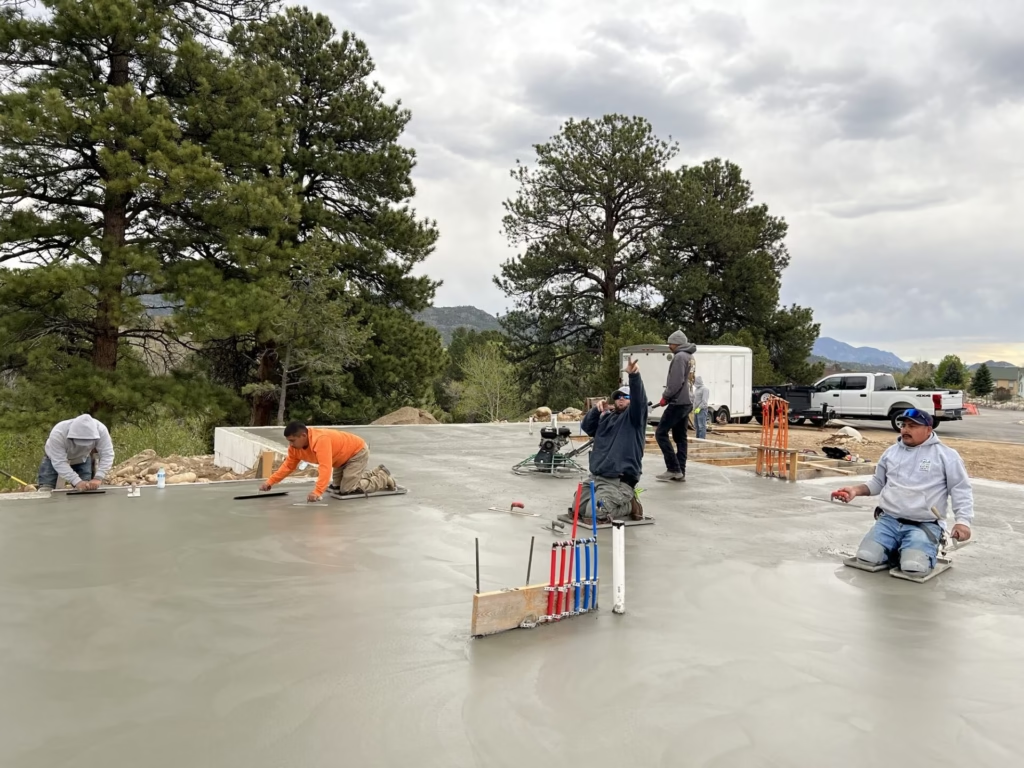
Discover why Northern Colorado is home to the best concrete contractors for residential and commercial projects. This region offers unmatched expertise, innovative techniques, and competitive pricing. By expanding your search, you can benefit from high-quality craftsmanship, timely project completion, and exceptional customer service. Whether you need driveways, patios, or decorative concrete, Northern Colorado contractors deliver superior results that stand the test of time. Introduction Finding the best concrete contractor is crucial for ensuring the success and durability of your construction projects. While it may seem convenient to select a local contractor, expanding your search to Northern Colorado can yield a range of benefits that make it worth the effort. This article explores why Northern Colorado stands out as a prime region for discovering top-notch concrete professionals who can handle both residential and commercial needs. From specialized knowledge to advanced techniques and competitive pricing, Northern Colorado offers an array of advantages that can significantly enhance the quality and value of your project. The Importance of Broadening Your Contractor Search Expanding your search beyond local options is essential for finding the best concrete contractors who can meet the specific demands of your project. In Northern Colorado, the diverse climate and soil conditions require contractors who understand these unique challenges and can deliver long-lasting, high-quality results. By broadening your search, you access a wider pool of skilled professionals who bring specialized knowledge and expertise to the table, ensuring your project’s success. Distinctive Qualities of Northern Colorado Concrete Experts Northern Colorado is known for its distinctive features, including varied terrain and weather patterns. Contractors in this region have adapted to these conditions, developing techniques and methods that ensure durability and resilience in their work. This adaptability makes Northern Colorado contractors especially valuable for projects that require innovative solutions and high standards of quality. Residential Project Expertise in Northern Colorado Homeowners in Northern Colorado can benefit greatly from the expertise of local contractors who specialize in residential projects. Key areas include: These contractors bring a deep understanding of local housing styles and preferences, allowing them to tailor their work to meet specific homeowner needs and tastes. Superior Commercial Project Capabilities For commercial projects, Northern Colorado contractors excel in delivering robust and reliable solutions. Their capabilities include: The region’s contractors are equipped to handle the complexities of commercial projects, ensuring compliance with all relevant codes and regulations. Latest Techniques and Innovations Northern Colorado contractors are at the forefront of utilizing the latest techniques and technologies in concrete construction. This includes: These advancements allow contractors to offer customized solutions that cater to modern design preferences and sustainability goals. Regional Expertise and Code Compliance One of the significant advantages of choosing a contractor from Northern Colorado is their deep knowledge of local building codes and regulations. This expertise ensures that your project will comply with all necessary legal standards, avoiding potential fines or delays. Contractors familiar with the region’s specific requirements can also advise on the best practices for construction in various local conditions, such as dealing with frost heave or soil expansion. Commitment to Quality Materials and Practices Contractors in Northern Colorado prioritize the use of high-quality materials sourced from reputable suppliers. This commitment to quality is evident in the durability and performance of their projects. Whether it’s selecting the right type of concrete mix or using advanced curing techniques, these contractors ensure that every aspect of the construction process meets the highest standards. Outstanding Customer Interaction and Responsiveness Effective communication is key to a successful project, and Northern Colorado contractors are known for their excellent customer interaction. They provide clear and regular updates, keeping clients informed at every stage of the project. This level of transparency helps build trust and ensures that any issues are addressed promptly, leading to a smoother construction process. Economic Benefits and Cost Transparency Northern Colorado’s competitive market offers clients the advantage of finding high-quality work at reasonable prices. Contractors in this region are transparent about their pricing, providing detailed estimates that include all aspects of the project. This transparency helps clients plan their budgets effectively and avoid unexpected costs. These sustainable practices not only benefit the environment but can also result in cost savings and improved project performance. Long-Term Durability and Guarantees Reputable contractors in Northern Colorado offer warranties on their work, giving clients peace of mind about the long-term durability of their projects. These warranties typically cover materials and workmanship, ensuring that any issues that arise post-construction are addressed efficiently and at no additional cost to the client. How to Find the Best Concrete Contractor in Northern Colorado To find the ideal contractor for your project in Northern Colorado, consider the following steps: Conclusion Expanding your search to Northern Colorado for concrete contractors can offer a multitude of benefits, from accessing a wider range of expertise to enjoying the advantages of competitive pricing and innovative techniques. The region’s contractors are well-versed in the specific challenges and opportunities presented by the local environment, making them ideal partners for both residential and commercial projects. By choosing a Northern Colorado contractor, you can ensure that your project is completed to the highest standards, providing long-lasting durability and value. FAQs What are the benefits of hiring a concrete contractor from Northern Colorado? Hiring a contractor from Northern Colorado offers benefits such as specialized knowledge of local conditions, access to high-quality materials, and the use of advanced construction techniques. These contractors also understand local building codes and regulations, ensuring compliance and a smooth construction process. How do Northern Colorado contractors ensure the durability of their projects? Contractors in this region use high-quality materials and innovative techniques to enhance the durability of their projects. They are experienced in dealing with the region’s specific environmental challenges, such as freeze-thaw cycles, which can affect concrete longevity. What should I consider when selecting a concrete contractor in Northern Colorado? When selecting a contractor, consider factors such as their reputation, experience, and portfolio of past work. It’s also important to verify their licensing and insurance, get detailed estimates, and