How to Clean and Maintain Stamped and Decorative Concrete?
How to clean stamped concrete without stripping the sealer, what to use on it in winter, and how often to reseal and with what.
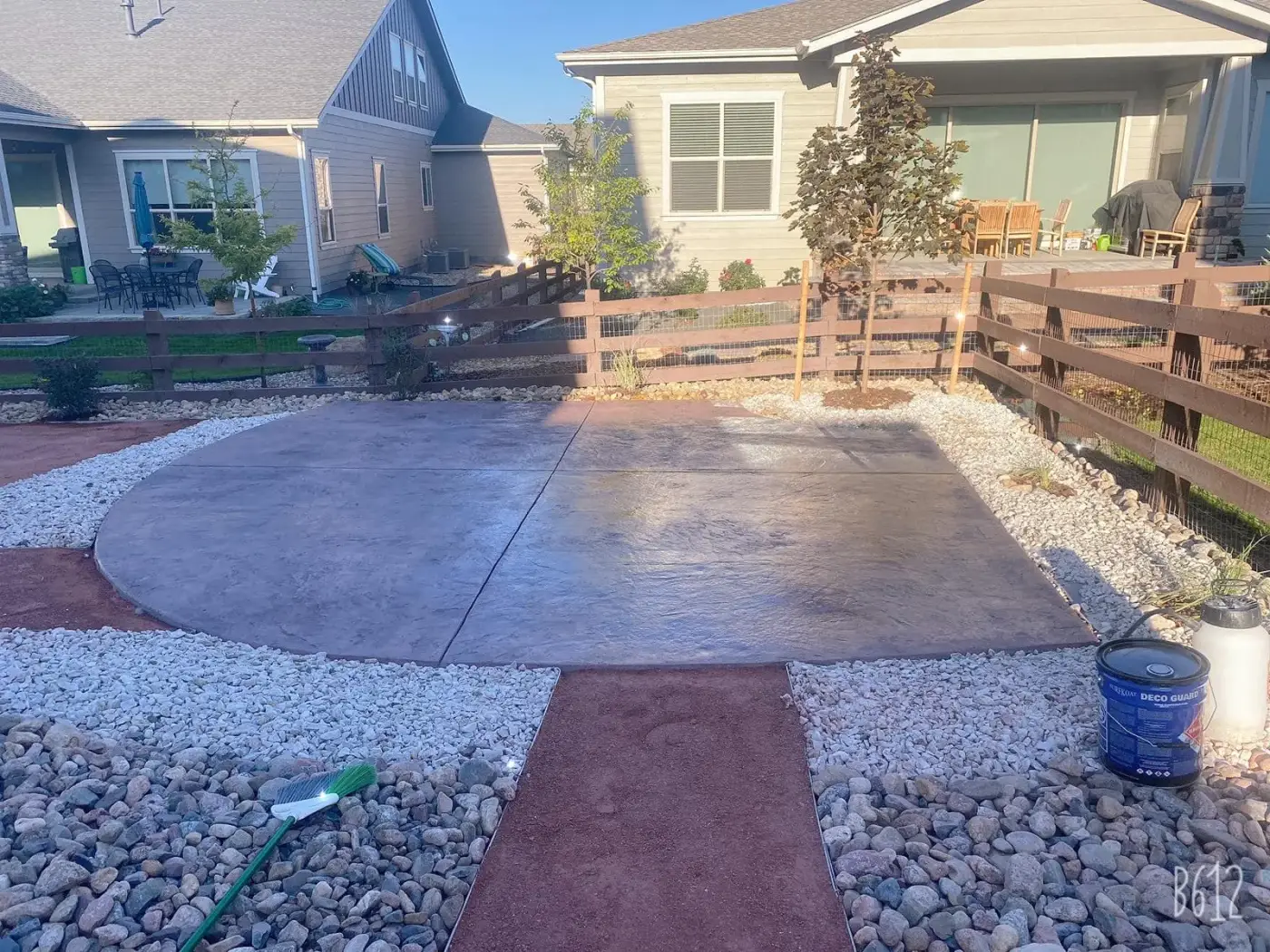
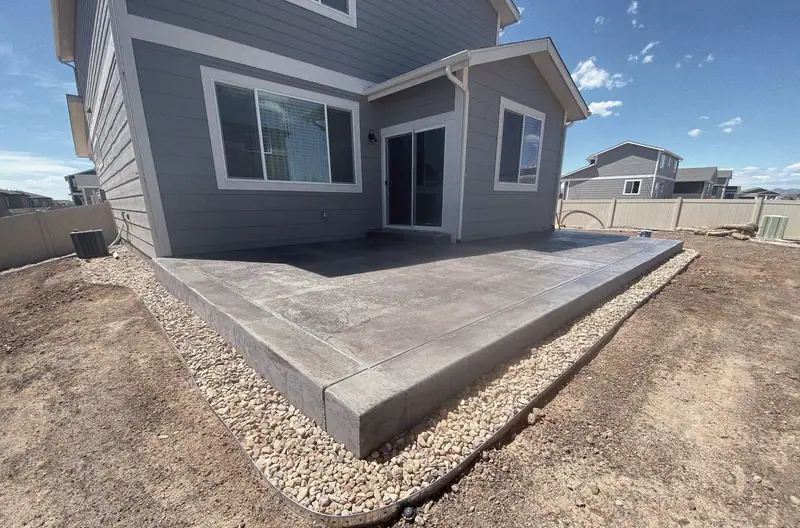
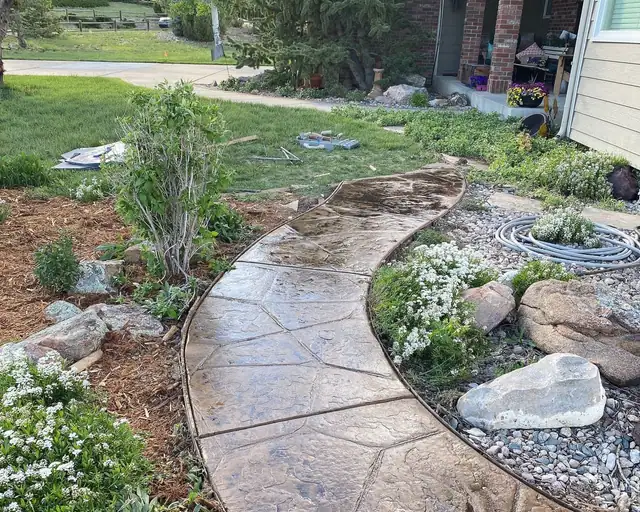
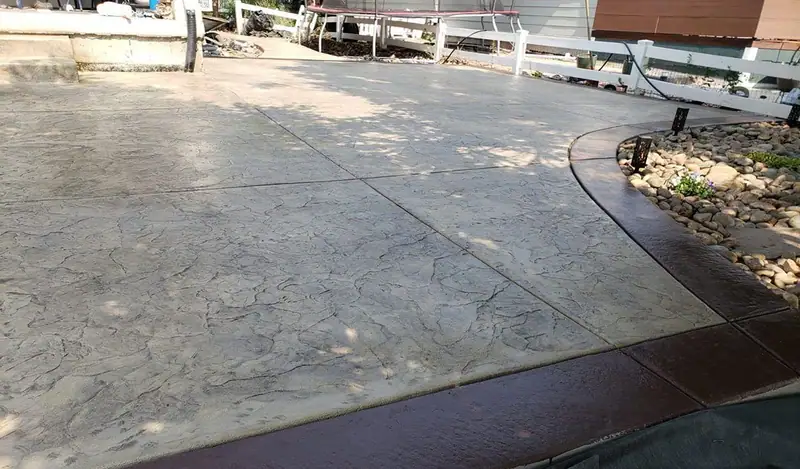
Stamped concrete has become more and more popular in Fort Collins, and the range of design options is one of the main reasons. With stamped and decorative concrete, you can create anything between a traditional cobblestone pattern and a modern geometric design, so your outdoor space suits your own taste.
Why Stamped Concrete Is So Popular
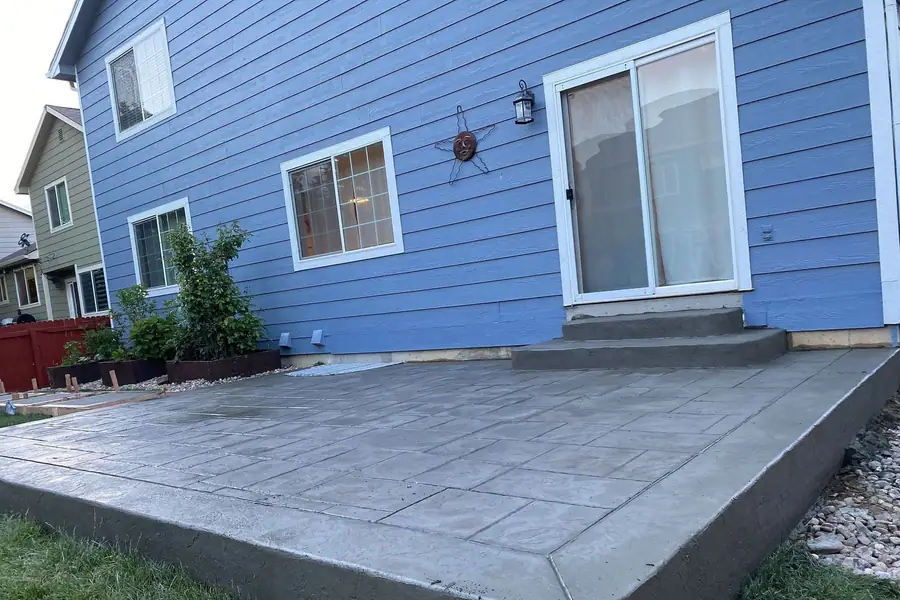
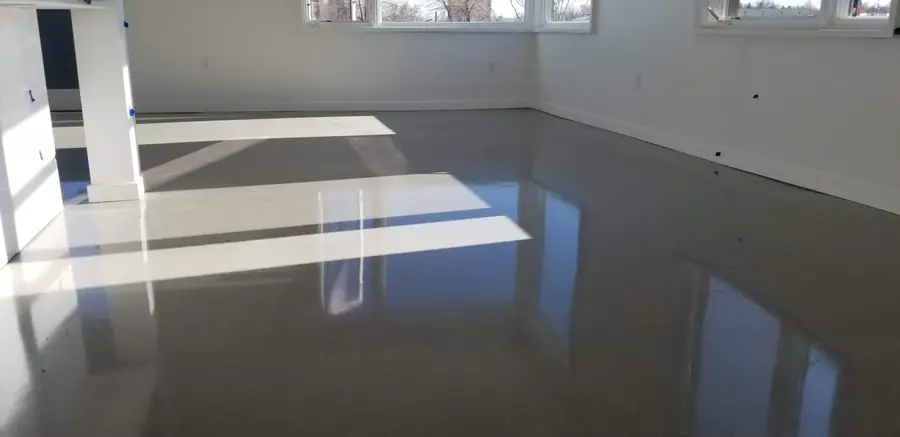
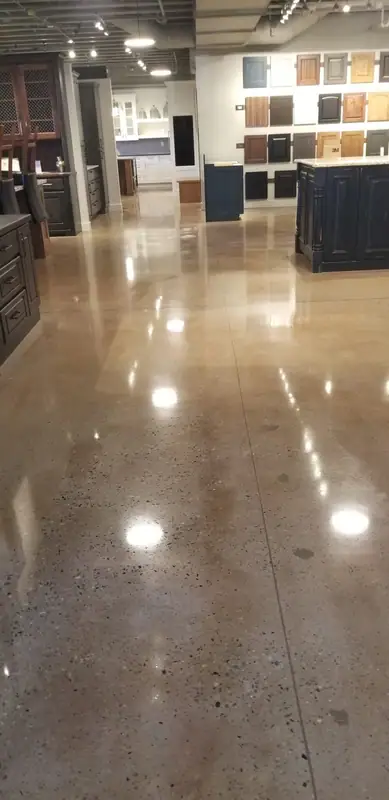
Advances in technology and technique have made stamped and decorative concrete more accessible and cost-effective. New techniques and materials make more detailed designs possible, and the equipment used to stamp and finish the concrete has become more efficient and easier to use. It also works in a wide range of places, including driveways, patios, sidewalks, pool decks and even indoor floors.
Like any other surface, though, stamped and decorative concrete needs regular cleaning and maintenance to keep looking its best, and keeping it in good shape also helps its resale value. These are the things to keep in mind.
Cleaning Stamped Concrete the Right Way
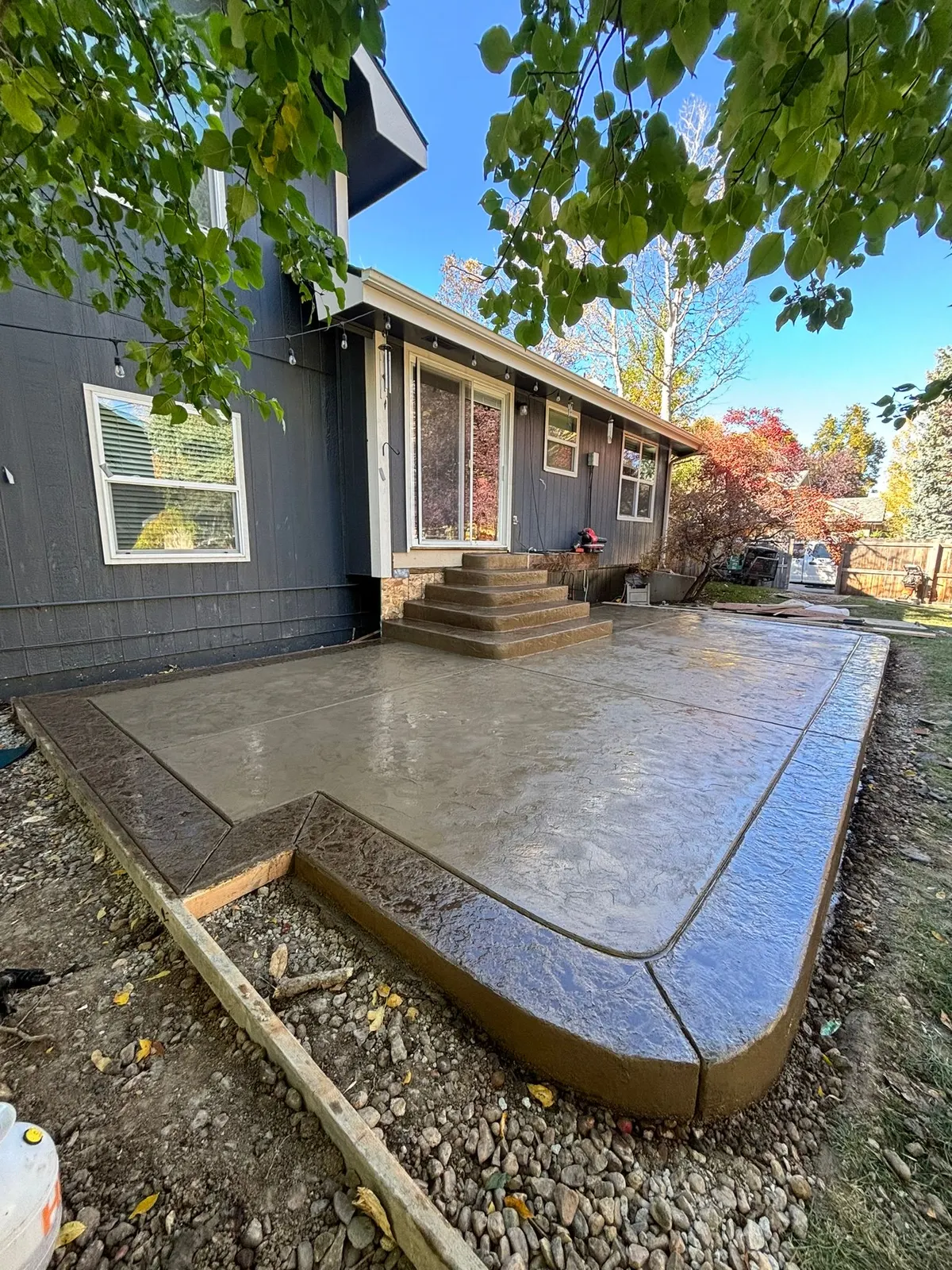
Use a mild detergent or a cleaner made specifically for stamped and decorative concrete to remove dirt, grime and other debris. Avoid harsh chemicals and abrasive cleaners, because they can damage the surface and cause discoloration.
High-pressure washers and power cleaners can also damage the surface and strip the sealer. Use a garden hose or a low-pressure washer instead.
Clean up spills and stains as soon as they happen, before they work into the surface. That goes a long way toward keeping your stamped concrete looking good and lasting.
With our snowy Fort Collins winters, we don't recommend salt or ice melt on stamped concrete. Salt alone can stain any concrete, and stamped concrete especially. Ice melt contains a lot of chemical compounds that can eat away at the sealer and the colors that make your patio look so good. If you need traction in winter, use sand.
Resealing
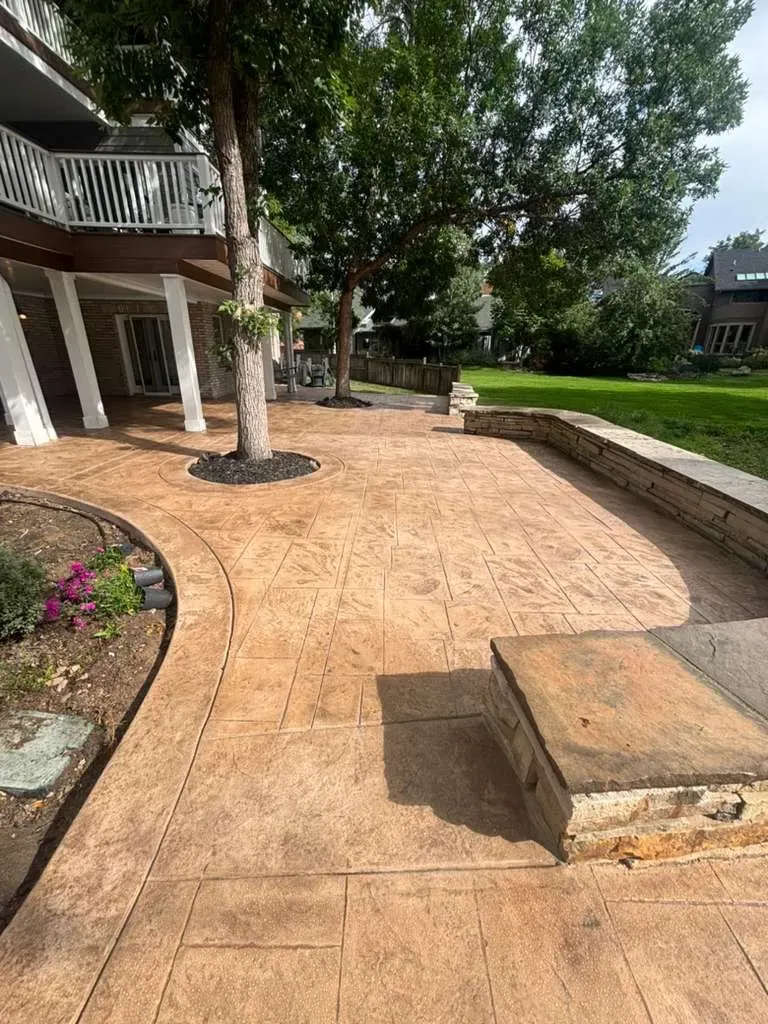
Resealing your stamped concrete protects it from stains and discoloration and makes it easier to clean. How often depends on how much traffic it gets and how exposed it is to the weather, but the usual recommendation is every 1 to 3 years, or whenever you notice the surface losing its shine or color. Think about the specific surface and its environment when you choose a sealer.
| Sealer type | Description | Benefits |
|---|---|---|
| Acrylic sealers | Water-based sealers that form a durable, UV-resistant barrier and bring out the color of stamped and decorative concrete. | Easy to apply and clean up, UV resistant, enhances color |
| Epoxy sealers | Two-part sealers mixed together before application. They give a high-gloss, durable finish that resists chemicals and abrasion. | High-gloss, durable, chemical and abrasion resistant |
| Polyurethane sealers | High-performance sealers that give a long-lasting, durable finish resistant to chemicals and abrasion. | Long-lasting, durable, chemical and abrasion resistant |
| Penetrating sealers | Soak deep into the concrete and react chemically with it to form a barrier against moisture and staining. | Protects against harsh weather, moisture and staining |
Keeping It Looking Good
Acrylic, epoxy, polyurethane and penetrating sealers all work on stamped concrete, and each has its own benefits, so pick the one that suits your surface and its exposure. Whichever you choose, follow the manufacturer's instructions and test it on a small area before you apply it to the whole surface. Regular cleaning plus the right sealer will keep stamped and decorative concrete looking great for years. If you'd like help with a stamped or decorative project, contact us at Hugo's Concrete.
Ready To Start?
Get Your Free Quote Today
Get a free quote from Hugo's Concrete — serving Fort Collins and surrounding areas.