
A 2026 Contractor Guide by Hugo’s Concrete — Fort Collins, CO
Concrete behaves differently than most concrete in most parts of the country. Our region constantly deals with freeze–thaw cycles, expansive soils, elevation swings, and fast temperature changes that punish poorly installed slabs. After 20+ years serving Fort Collins, Windsor, Loveland, Greeley, and the surrounding Northern Colorado communities, we’ve taken care of hundreds of projects that failed simply because the previous contractors ignored Colorado‑specific conditions.
This helpful guide breaks down the most common mistakes we see homeowners make, and the unnecessary shortcuts we see low‑bid contractors take along with the correct methods that keep concrete strong for decades. Everything here aligns with 2026 Google Helpful Content standards, recent Core Updates, and LLM‑friendly formatting, so your content stays competitive in modern search.
1. Skipping Proper Base Preparation
Most concrete failures start long before the concrete mix is poured. The base is the foundation of the slab, and in Northern Colorado, it matters more than almost anywhere else.
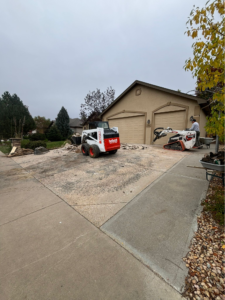
This is especially true for projects like concrete driveway installation, where heavy vehicles and constant use place additional stress on the slab.
What goes wrong
- Thin or uneven base
- Avoiding compaction
- Using cheap dirt instead of road base
- Pouring directly on soil
- Rushing prep to cut labor costs
Why is this a major issue in our region?
Our local soil expands when wet and contracts when dry. Add freeze–thaw cycles, and the ground moves rapidly. A slab poured on a weak base will shift, settle, and crack sometimes within the first winter.
What a professional should do
- Excavate to proper depth
- Install 2–3 inches of compacted Class 6 road base
- Compact in layers using a plate compactor
- Moisture‑condition the subgrade
- Laser‑level the base for consistent thickness
A strong base is the difference between a slab that lasts 30 years and one that fails in 3.
2. Using the Wrong Concrete Mix for Colorado Weather
Concrete mix design is not one‑size‑fits‑all. Colorado requires a stronger, more durable mix than many states.
Common mistakes
- Using low‑PSI mixes
- No proper air‑entrainment
- Adding water to the truck on‑site
- Pouring in unstable temperatures
- Ignoring freeze–thaw requirements
What works in Colorado
- 4,000–4,500 PSI minimum
- Air‑entrained concrete to resist harsh weather
- Low water‑to‑cement ratio
- Proper curing in hot or cold weather
- The right Timing pours around temperature swings
Inexperienced contractors often cut corners here because homeowners can’t see the mix quality until it’s too late.
3. Incorrect Slope and Drainage
Water and moisture in general are concrete’s biggest enemy, especially in Fort Collins and surrounding cities where snowmelt and freeze cycles are constant.
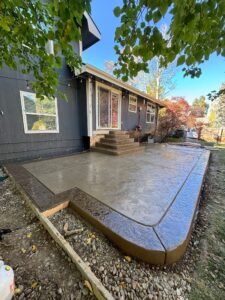
Proper drainage is particularly important for outdoor living areas like concrete patios built for Colorado weather, where standing water can quickly lead to freeze damage.
Signs of poor drainage
- Water pooling near the home
- Ice sheets forming in winter
- Soil erosion around the slab
- Water running toward the foundation
What professionals do
- Maintain a 2% slope away from any existing structures
- Ensure water flows toward safe drainage areas
- Avoid dead‑level slabs outdoors
- Use correct grading before forming
Good drainage prevents cracking, heaving, and foundation issues.
4. Rushing the Finishing Process
Finishing concrete is an art, and one of the easiest places for inexperienced crews to ruin a slab.

Common finishing mistakes
- Overworking the surface
- Adding water to tools or the slab
- Finishing too early
- Finishing too late
- Using the wrong tools for the finish type
Why this matters:
Overworked concrete becomes weak and flaky. In our climate, that leads to:
- Surface scaling
- Spalling
- Premature cracking
A proper finish requires timing, technique, and patience.
5. Poorly Placed or Missing Control Joints
Concrete will crack fast, the goal is to control where
Mistakes we see constantly
- Existing joints spaced too far apart
- Joints cut too shallow
- No joints in patios or driveways
- Random joint placement
- Cutting joints days after the pour
Best practice
- Joints every 8–10 feet
- Depth at least 25% of slab thickness
- Straight, clean cuts within 5–10 hours of pouring
- Strategic placement to guide natural cracking
When joints are done right, cracks follow the lines — not the middle of your driveway.
6. Not Sealing the Concrete (or Using the Wrong Sealer)
Colorado’s climate requires sealing. Sun, snow, salt, and moisture all attack unprotected concrete.
This is important not only for outdoor slabs but also for surfaces used in epoxy flooring for garages and shops, where proper surface preparation ensures coatings bond correctly and last longer.
Problems caused by skipping the right sealer
- Surface scaling
- Salt damage
- Moisture penetration
- Premature cracking
- Color fading on decorative concrete
What works in Colorado
- Breathable, penetrating premium sealers
- Reapply every 2–3 years
- Avoid glossy film‑forming sealers outdoors
- Use UV‑stable sealers for patios and decorative work
Sealing is one of the cheapest ways to extend the life of your concrete.
7. Hiring the Cheapest Contractor
This is the root cause of most concrete failures we repair.
Low bids usually mean:
- No base preparation
- Rushed finishing
- No warranty
- No accountability
- Cheap and Unskilled labor
In Northern Colorado, cheap concrete ends up being the most expensive concrete project.
8. Ignoring Local Soil and Climate Conditions
Colorado’s soil varies dramatically between Fort Collins, Windsor, Loveland, and Greeley. A contractor who doesn’t understand local conditions will certainly make mistakes that shorten the lifespan of your slab.
Examples
- Windsor’s clay soils require deeper base prep
- Fort Collins freeze–thaw cycles demand air‑entrained mixes
- Greeley’s sandy soils need proper compaction
- Loveland elevation swings affect curing times
Local experience matters.
9. Not Considering Long‑Term Use and Load Requirements
Homeowners often underestimate how much weight their concrete will carry.
Common oversights
- Driveways too thin for heavy vehicles
- Patios not designed for heavy hot tubs
- Sidewalks poured without proper reinforcement
- Garages without proper vapor barriers
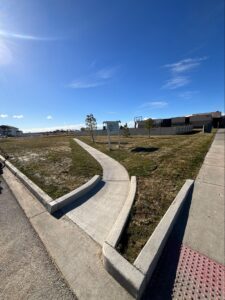
For pedestrian areas around homes and landscaping, proper design of sidewalk and walkway installations helps prevent early cracking and uneven settling.
A good contractor asks about future plans — not just today’s needs.
Contractor Checklist for 2026 (What to Ask Before Hiring Anyone)
Before signing a contract, ask:
- What PSI mix will you use?
- Is the concrete air‑entrained?
- How thick will the base be?
- How will you handle freeze–thaw conditions?
- How do you cut control joints?
- What sealer do you recommend for Colorado?
- Can I see recent projects in Northern Colorado?
- Do you warranty your work?
A professional will answer confidently and clearly.
Why These Mistakes Matter More in Northern Colorado
Our region has:
- Harsh winters
- Intense sun exposure
- Expansive soils
- Rapid temperature swings
- High elevation curing challenges
Concrete installed without Colorado‑specific methods will fail early — sometimes within the first year.
FAQs — Concrete Installation in Colorado
1. Why does concrete fail faster in Colorado compared to other states?
Colorado’s freeze–thaw cycles, elevation swings, and expansive soils put extreme stress on concrete. If the mix isn’t air‑entrained, the base isn’t compacted, or the slab isn’t cured correctly, it will crack or scale much faster here than in milder climates. This is why Colorado‑specific installation methods matter more than anywhere else.
2. How thick should a concrete driveway or patio be in Northern Colorado?
For our region, 4 inches is the minimum we use for patios and walkways, while driveways should be 4–6 inches depending on vehicle weight. Homes with trucks, trailers, or RVs often need thicker slabs or added reinforcement. Thickness is one of the biggest factors in long‑term durability.
3. Do I really need to seal my concrete if it’s brand new?
Yes, new concrete is vulnerable to moisture, salt, and UV exposure. A breathable, penetrating sealer protects the surface from scaling and cracking. Skipping this important step is one of the most common reasons homeowners see early damage.
4. What’s the biggest mistake homeowners make when hiring a concrete contractor?
Choosing the lowest bid. Cheap contractors usually skip base prep, use weak mixes, or rush finishing. These shortcuts aren’t visible on first days, but they show up fast once winter hits. A proper installation saves thousands in repairs later.
5. How can I tell if a contractor understands Colorado’s climate and soil conditions?
Ask your concrete contractor about PSI strength, air‑entrainment, ground prep, control joint spacing, and how they handle freeze–thaw cycles. An experienced Colorado contractor will explain these clearly and confidently. If they can’t, they’re not building concrete for our climate.
Final Thoughts
Concrete is an expensive investment that should last decades. Avoiding these common mistakes ensures your driveway, patio, sidewalk, or flooring performs the way it should in Colorado’s climate. If you’re planning a project in Fort Collins, Windsor, Loveland, Greeley, or anywhere in Northern Colorado, Hugo’s Concrete delivers:
- Proper base prep
- Colorado‑ready mix designs
- Precision finishing
- Long‑term durability
- Local expertise backed by real experience
- Premium concrete mix reinforced with fiber
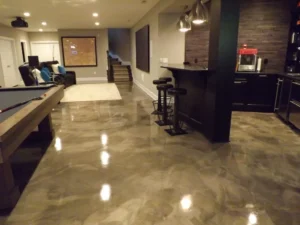
For indoor surfaces, many homeowners also upgrade to polished concrete for homes and businesses to achieve a durable, low-maintenance finish.