
Cost-Effective Strategies for Planning Your Concrete Pour Installation in Northern Colorado
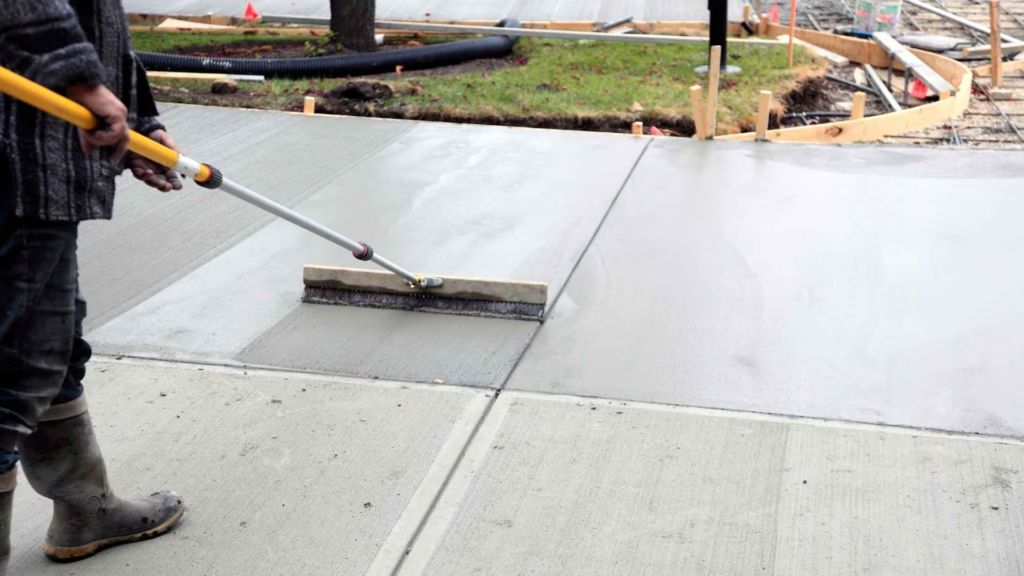
Discover the costs of concrete pour installation in Northern Colorado with Hugo’s Concrete. Our comprehensive guide breaks down the key factors affecting prices, including market dynamics and project specifics. Learn about cost-effective strategies for planning your concrete pour installation in Northern Colorado, ensuring you get the best value for your investment. From affordable concrete installation tips to understanding the nuances of Northern Colorado’s concrete market, this guide covers everything you need to know. Trust Hugo’s Concrete for expert advice on planning and executing your concrete projects efficiently and economically. Market Dynamics: In Northern Colorado, concrete pour installation prices are influenced by various market factors. Factors such as market demand, availability of materials, and local economic conditions play a significant role in determining pricing. Understanding these dynamics can help you anticipate fluctuations in costs and plan accordingly. The level of market demand for concrete services plays a crucial role in pricing. During peak construction seasons, such as spring and summer, The availability and cost of raw materials, such as cement, aggregates, and additives, are pivotal in determining the overall cost of concrete pour installations. Supply chain disruptions, fluctuations in material costs, and changes in import/export policies can all affect material availability and pricing. For instance, a shortage in cement supply or an increase in fuel prices can drive up the costs of materials, subsequently raising the price of concrete pour services. Project Scope: The scope of your concrete pour project is a major determinant of the overall cost. Projects vary in scale and complexity, ranging from small residential driveways to large commercial slabs. Each project comes with its unique requirements, which directly impact pricing. By assessing the scope of your project accurately, you can get a better understanding of the expected costs. Concrete Mix Design: The choice of concrete mix design can significantly impact the overall cost of your project. Factors such as strength, durability, and special additives influence pricing. Higher-quality concrete mixes may come at a premium price but offer enhanced performance and longevity. Understanding the implications of different mix designs can help you make informed decisions while balancing cost and quality. Site Preparation: Proper site preparation is essential for a successful concrete pour installation. Site preparation activities such as excavation, grading, reinforcement, and formwork play a crucial role in ensuring the stability and longevity of the concrete structure. These preparatory tasks require skilled labor, equipment, and materials, all of which contribute to the total project cost. Labor Costs: Labor costs constitute a significant portion of the overall project cost. Skilled labor rates, equipment operation, and project duration considerations all influence labor costs. The complexity of the project and the expertise required can impact labor pricing. Additionally, factors such as accessibility and site conditions may affect labor efficiency, thereby influencing costs. Additional Expenses: In addition to the core components of the project, there may be additional expenses to consider. These include permits, disposal fees, and finishing touches such as staining or sealing. While these expenses may seem minor, they can add up and affect the overall project budget. It’s important to account for these additional costs during the planning stage to avoid unexpected surprises. Competitive Analysis: Conducting a competitive analysis can provide valuable insights into prevailing industry rates and help you evaluate quotes from different contractors. Comparing pricing structures, services offered, and reputation can help you make an informed decision when selecting a contractor for your project. By choosing a reputable and competitive contractor, you can ensure quality results at a fair price. Cost-Saving Strategies: Concrete pour installation without compromising quality is a key consideration for many project owners. There are several cost-saving strategies you can employ to maximize value and minimize expenses. These may include scheduling installations during off-peak seasons to take advantage of lower labor rates, bundling multiple services for discounts, or exploring alternative materials or construction methods. Conclusion: Navigating the complexities of concrete pour installation pricing in Northern Colorado requires a comprehensive understanding of the factors at play. By considering market dynamics, project specifics, and cost-saving strategies, you can plan and budget your projects effectively while ensuring quality results. Whether you’re embarking on a residential driveway project or a large-scale commercial development, being informed about pricing considerations will set you on the path to success. Ready to get started? Let’s make your concrete project a success!
Hiring a Concrete Contractor in Northern Colorado
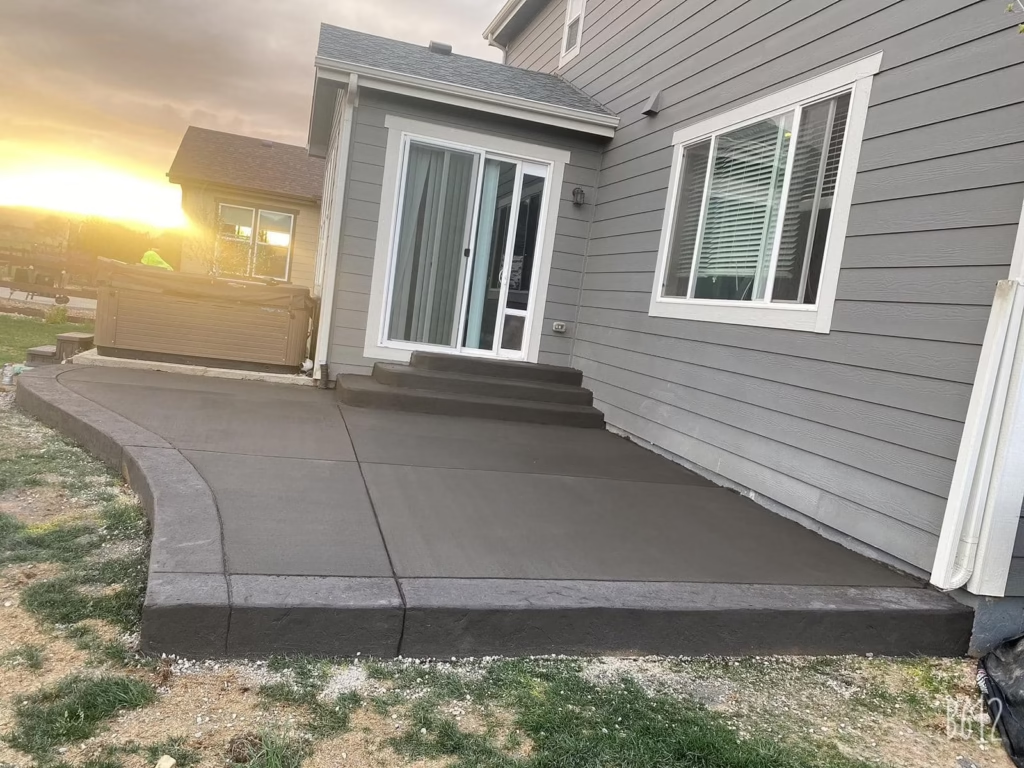
When hiring a concrete contractor, several crucial factors should be considered to ensure a successful and satisfactory outcome for your project. Here are key factors to keep in mind. Experience and Reputation: Evaluate the contractor’s experience in the concrete industry of industrial concrete coatings. Look for a well-established contractor with a proven track record of successful projects. Check online reviews, and testimonials, and ask for references to gauge the contractor’s reputation and the satisfaction of previous clients. Licensing and Insurance: Verify that the contractor is licensed to operate in your area and that their license is up-to-date. Licensing requirements may vary by location. Ensure the contractor carries adequate insurance, including general liability and workers’ compensation, to protect you and your employees in case of accidents. Portfolio of Past Work: Review the contractor’s portfolio of past projects. This provides insight into their expertise and the quality of their workmanship. If possible, visit completed projects or request photos to see the finished results firsthand. Project Specifics: Clearly define the scope of your project, including the size, design, and any specific requirements you may have. Discuss details such as the type of concrete, finishing options, and any additional features or considerations unique to your project. Cost Estimate and Payment Terms: Obtain detailed cost estimates from multiple contractors. Be wary of significantly low bids, as they may indicate cutting corners or using subpar materials. Clarify payment terms, including the schedule of payments and the methods accepted. Timeline and Schedule: Discuss the project timeline, including start and completion dates. A reliable contractor should provide a realistic schedule based on the scope of work. Clarify potential delays and how they will be addressed. Communication Skills: Effective communication is crucial for a successful project. Ensure the contractor is responsive to inquiries and provides clear, detailed answers. Discuss how updates and changes to the project will be communicated. Contract and Warranty: Have a detailed written contract that includes all aspects of the project, from the scope of work to the payment schedule. Inquire about warranties for materials and workmanship. A reputable contractor should stand behind their work. Permits and Regulations: Verify that the contractor is aware of and will obtain any necessary permits for the project. Ensure they are familiar with local building codes and regulations. Clean-Up and Disposal: Discuss the contractor’s policy regarding clean-up and disposal of materials. A professional contractor should leave the site in a clean and safe condition. By carefully considering these factors, you can make an informed decision when hiring a concrete contractor and increase the likelihood of a successful and satisfactory project outcome. Conclusion: In conclusion, selecting the right concrete contractor in Northern Colorado is a pivotal step in ensuring the success of your project. By thoroughly evaluating factors such as experience, reputation, licensing, and project specifics, you can make an informed decision that aligns with your expectations. A comprehensive contract, clear communication, and adherence to timelines are crucial components of a successful partnership. Remember to obtain multiple cost estimates, but be cautious of significantly low bids. Ultimately, a reputable contractor with a proven track record will deliver quality work and provide peace of mind throughout the construction process. Taking the time to vet potential contractors thoroughly will contribute to the overall success, durability, and satisfaction of your concrete project. For further details, contact Hugo’s concrete.