
Protect Your Concrete: Why Avoiding Salt is Crucial for Longevity
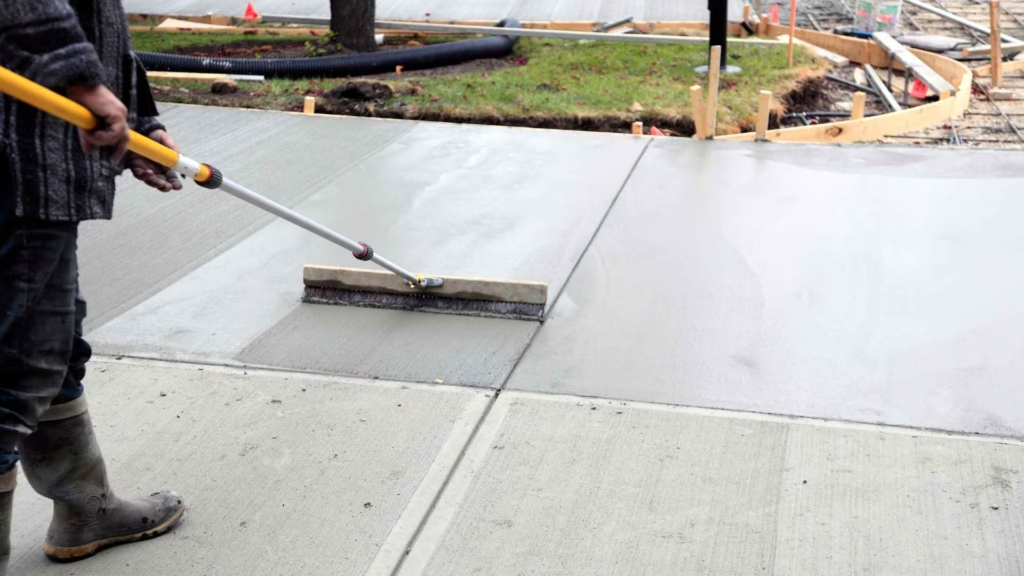
Welcome to Hugos Concrete, your go-to resource for all things concrete care! Today, we’re tackling a critical winter maintenance topic: the detrimental effects of salt on concrete surfaces. While salt might seem like a quick fix for icy conditions, it’s actually a silent culprit that can undermine the integrity of your concrete. Join us as we delve into the reasons why steering clear of salt is essential for safeguarding your concrete investments. Why Salt Spells Trouble for Concrete: Salt, especially the common sodium chloride variety, is a go-to de-icing agent for many homeowners and businesses. However, its corrosive nature poses significant risks to concrete structures. When salt interacts with moisture on concrete surfaces, it creates a saline solution that infiltrates the pores of the material.This infiltration sets off a destructive cycle, leading to erosion, cracks, spalling, and overall deterioration. Understanding the Ramifications: The damage inflicted by salt extends beyond mere aesthetics, compromising the structural soundness of your concrete. Cracks and spalling not only detract from your property’s appearance but also pave the way for further water penetration. Over time, this infiltration exacerbates the damage, potentially necessitating costly repairs or even complete replacement. In Northern Colorado, where winter conditions often require the use of de-icing agents, it’s important to be aware of the impact salt can have on your concrete surfaces. Our comprehensive guide delves into the cost-effective strategies for planning your concrete pour installation in Northern Colorado, including how to protect your investment from the harmful effects of salt Alternative Solutions to Salt: Fortunately, there are several safer alternatives to salt that offer effective ice and snow removal without endangering your concrete: Conclusion: When it comes to winter maintenance, prioritizing the longevity of your concrete is paramount. By steering clear of salt and exploring alternative de-icing methods, you can preserve the strength and beauty of your concrete surfaces for years to come. At Hugos Concrete, we’re committed to equipping you with the knowledge and resources to protect your concrete investments. Don’t let salt sabotage your concrete’s integrity. Reach out to Hugos Concrete today for more ways to safeguard your concrete surfaces against winter’s chill.
Comparing Repairing and Replacing Concrete Driveways
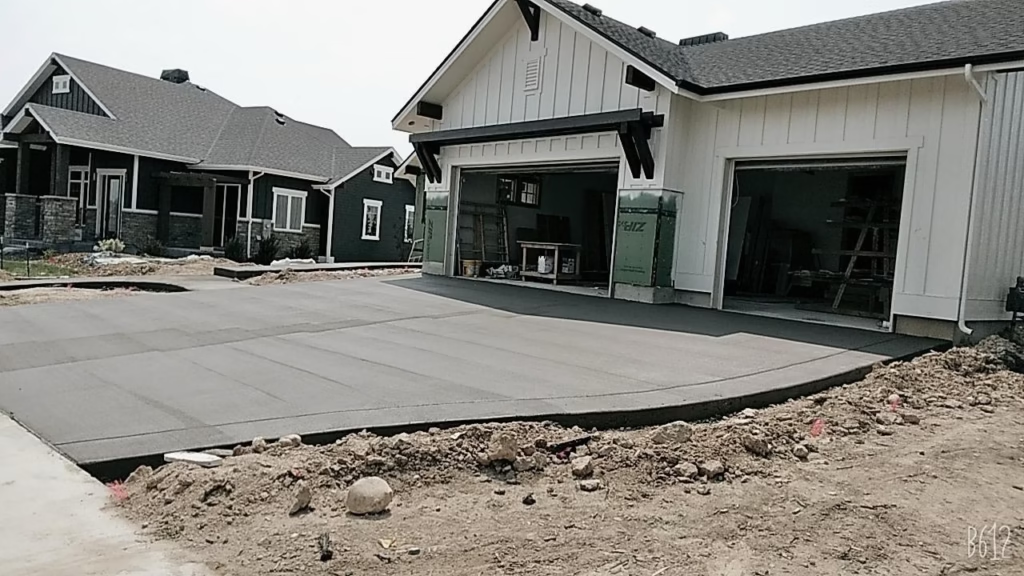
Choosing Between Driveway Repair and Replacement Deciding whether to replace or repair a concrete driveway depends on the extent of damage and individual preferences. If the concrete is extensively cracked or structurally compromised, replacement might be the more appropriate choice, offering a fresh start and potential long-term durability. However, for minor surface cracks or budget considerations, repairing the driveway can be a cost-effective solution, especially if the damage is localized. Ultimately, the decision should consider factors such as the overall condition of the driveway, aesthetic preferences, and budget constraints, and consulting with a professional can help determine the most suitable course of action. A new installation often addresses underlying problems with the base and subbase, contributing to the long-term stability and performance of the driveway. While the initial cost may be higher compared to repairs, the investment in a new driveway can result in a more aesthetically pleasing, structurally sound, and enduring solution, making it a better option for those seeking a comprehensive and lasting upgrade Replacing the Concrete Driveway: Extensive Damage: If the concrete is severely cracked, uneven, or damaged throughout, replacement might be the more viable option. Structural Issues: If there are underlying structural problems with the base or subbase, replacing the entire driveway can address these issues. Aesthetic Preferences: If you want a completely new look, design, or color for your driveway, replacement provides a fresh start. Long-Term Investment: While the upfront cost is higher, a new driveway can be a long-term investment, potentially offering better durability and performance. Repairing the Concrete Driveway: Surface Cracks or Minor Damage: If the damage is primarily cosmetic or limited to surface cracks, repairing might be a cost-effective solution. Budget Considerations: If your budget is a significant concern, and the damage is not extensive, repairing the driveway can be more economical than a full replacement. Localized Damage: If the damage is confined to specific areas, patching or resurfacing might be sufficient to address the issues. Environmental Impact: Repairing the driveway typically generates less waste than a complete replacement, which can be a consideration for those concerned about environmental impact. In some cases, a middle-ground option might be considered, such as resurfacing the existing concrete to improve its appearance and address minor issues. Consulting with Fort Collins based contractor Hugo’s Concrete can help you assess the condition of your driveway and make an informed decision based on your specific needs, budget, and long-term goals.