
The Ultimate Guide to Concrete Curing: Balancing Time and Durability

Concrete curing is one of the most critical aspects of construction, yet it’s often misunderstood or overlooked. Proper curing is essential for achieving the desired strength, durability, and longevity of your concrete structures. This comprehensive guide will delve into the importance of concrete curing, the factors that influence it, and best practices to ensure your concrete projects stand the test of time. What is Concrete Curing? Concrete curing is the process of maintaining adequate moisture, temperature, and time to allow the concrete to achieve its designed strength and durability. Unlike drying, which merely refers to the loss of moisture from the concrete’s surface, curing involves creating the right conditions for the hydration of cement particles. This hydration is essential for the chemical reactions that result in hardened concrete. Why Curing Matters? Proper curing is crucial for several reasons: Factors Influencing Concrete Curing Time Several factors influence the curing time and effectiveness of concrete: Best Practices for Concrete Curing To ensure your concrete cures correctly, follow these best practices: Common Curing Methods Curing Times for Different Types of Concrete Common Mistakes to Avoid Ready to start your next project? Concrete curing is one of the most important factors in any concrete project, but it’s just one part of the equation. At Hugo’s Concrete we bring over 18 years of experience to every job. Whether you’re planning a new driveway, a patio or maybe a concrete polishing project, ou team is here to guide you every step of the way. Contact Hugo’s Concrete today for a free consultation and learn how we can help you achieve long-lasting, high-quality results with expert concrete services.
Optimizing Concrete Pouring Conditions for Superior Results in Northern Colorado
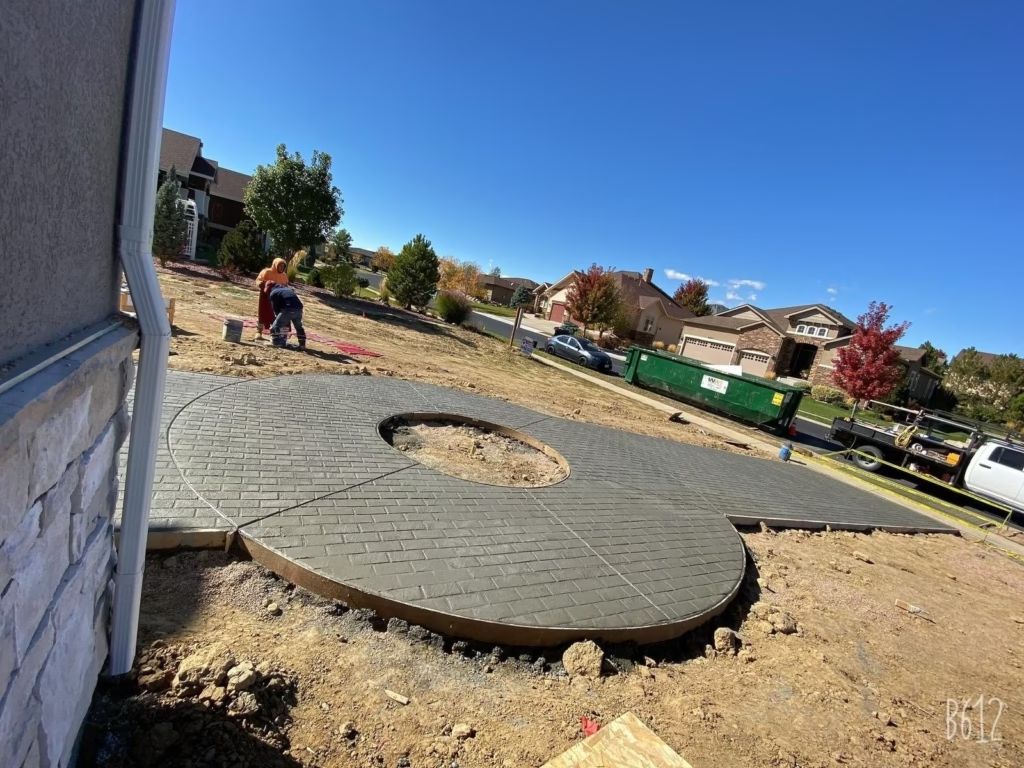
Northern Colorado Concrete Pouring: Mastering Ideal Conditions Concrete pouring is a pivotal phase in construction projects across Northern Colorado, where weather conditions can significantly impact the outcome. At Hugo’s Concrete, serving Fort Collins and the entire Northern Colorado region, we recognize the paramount importance of timing and temperature in ensuring successful concrete pours. In this comprehensive guide, we delve deeper into the intricacies of concrete pouring in our region, offering valuable insights and expert tips for achieving optimal results. Understanding Temperature Requirements The temperature during and after the concrete pouring process plays a crucial role in determining the strength and durability of the finished product. In Northern Colorado, the ideal temperature range for pouring concrete typically falls between 50°F to 85°F (10°C to 30°C). Within this range, the concrete can cure properly and attain maximum strength. When to Avoid Pouring While the ideal temperature range provides a general guideline, certain weather conditions warrant caution and may necessitate postponing concrete pours: Extreme Heat: High temperatures can accelerate the curing process, leading to premature drying and potential cracks in the concrete. It’s advisable to avoid pouring concrete on excessively hot days, especially when temperatures exceed 90°F (32°C). Freezing Temperatures: Concrete poured in freezing conditions is susceptible to frost damage, which can compromise its structural integrity. It’s essential to refrain from pouring concrete when temperatures drop below 50°F (10°C) and to implement measures to protect the concrete from freezing during the curing process. Tips for Successful Concrete Pouring To ensure a successful concrete pour in Fort Collins or anywhere in Northern Colorado, consider implementing the following strategies: Thorough Planning: Monitor weather forecasts closely and schedule concrete pours during periods of moderate temperatures and low humidity. Adequate planning can help mitigate the risk of adverse weather conditions impacting the quality of the pour. Utilize Admixtures: Incorporating admixtures into the concrete mix can enhance workability and adjust curing times, particularly beneficial in challenging weather conditions. Admixtures help optimize concrete performance and enhance its durability. Provide Thermal Insulation: During colder months, insulate the ground and utilize blankets or heated enclosures to maintain the ideal temperature for curing. Proper thermal insulation ensures uniform curing and prevents thermal differentials that may compromise concrete strength. Ensure Proper Hydration: Concrete hydration is essential for the curing process. Maintain adequate moisture levels by misting with water or using curing compounds to prevent premature drying and ensure optimal strength development. Efficient Work Practices: Once pouring begins, work efficiently to achieve uniformity and minimize the risk of cold joints resulting from interruptions in the pouring process. Proper consolidation and finishing techniques are essential for achieving a smooth and durable concrete surface. Conclusion: Mastering concrete pouring in Northern Colorado requires meticulous attention to detail and adherence to optimal temperature conditions. By understanding the impact of weather on concrete curing and implementing best practices, you can achieve superior results that withstand the test of time. At Hugo’s Concrete, we’re committed to delivering top-quality concrete services tailored to the unique needs of our clients in Fort Collins and throughout Northern Colorado. Trust us for your next concrete project, and experience the difference expertise makes in achieving exceptional outcomes. In Northern Colorado’s unique landscape, environmental factors can also influence concrete pouring outcomes. By prioritizing eco-friendly practices, such as using recycled materials in concrete mixes and implementing sustainable construction methods, we can minimize environmental impact while delivering exceptional results. At Hugo’s Concrete, we are committed to sustainable practices that preserve the natural beauty of our region for future generations. Contact Hugo’s Concrete to schedule your free estimate!