
Concrete Driveways vs. Asphalt: What’s Best for Loveland Homes?

When choosing a driveway material for your Loveland home, two top contenders stand out: concrete and asphalt. Both have unique advantages, but which one is the best fit for your needs? Let’s compare the two to help you make an informed decision. Durability & Longevity Concrete: Built to Last Concrete driveways are extremely durable, lasting 30 years or more with proper maintenance. They resist heavy loads and withstand Loveland’s fluctuating temperatures better than asphalt. Plus, they don’t soften in extreme heat. Asphalt: A Shorter Lifespan Asphalt driveways typically last 15–20 years. They require frequent sealing to prevent cracks and deterioration, especially due to Colorado’s freeze-thaw cycles. While asphalt is flexible, it’s more prone to wear and tear over time. Maintenance & Repairs Concrete: Low Maintenance Concrete requires minimal upkeep. Sealing is optional, but occasional cleaning and crack repair keep it in great shape for decades. Asphalt: Regular Upkeep Needed Asphalt needs resealing every 3–5 years to maintain its integrity. It’s also more likely to develop cracks and potholes, requiring frequent repairs. Cost Comparison Concrete: Higher Upfront Cost, Lower Long-Term Expense The initial cost of concrete is higher, averaging $5–$10 per square foot. However, due to its longevity and minimal maintenance, it proves cost-effective over time. Asphalt: Cheaper Initial Cost, More Maintenance Costs Asphalt costs $3–$7 per square foot, making it more budget-friendly upfront. However, frequent repairs and resealing add to long-term expenses. Weather Resistance in Loveland Concrete: Handles Extreme Temperatures Well Concrete withstands hot summers and cold winters without major issues. However, de-icing salts can cause surface damage, so proper care is necessary. Asphalt: Better for Cold Climates, But Can Soften in Heat Asphalt performs well in winter due to its flexibility, reducing the likelihood of cracking. However, in extreme summer heat, it can soften and become sticky. Aesthetic Appeal & Customization Concrete: More Design Options Concrete offers various finishes, including stamped, stained, and exposed aggregate, allowing you to enhance curb appeal. Asphalt: A Standard Black Look Asphalt provides a classic, uniform black surface, but lacks customization options. Which One is Best for Your Loveland Home? Choose concrete if you want durability, low maintenance, and aesthetic appeal. It’s ideal for long-term investment. Choose asphalt if you prefer a lower initial cost and faster installation, and don’t mind ongoing maintenance. Both materials have their pros and cons, so your choice depends on your budget, maintenance preferences, and design goals. Frequently Asked Questions (FAQs) 1. Does concrete or asphalt last longer? Concrete driveways last 30+ years, while asphalt driveways typically last 15–20 years. 2. Which is better for Colorado winters? Asphalt is more flexible and handles freeze-thaw cycles better, but concrete is more resistant to long-term damage. 3. Can I customize my driveway? Yes! Concrete allows for stamped, stained, and decorative finishes, while asphalt has a uniform look. 4. What’s the best option for resale value? Concrete often boosts property value due to its durability and aesthetic appeal. Get Expert Concrete Installation in Loveland If you’re considering a high-quality concrete driveway for your Loveland home, Hugo’s Concrete is here to help! Our expert team specializes in durable, beautifully crafted driveways that enhance your home’s value.
The Ultimate Guide to Concrete Curing: Balancing Time and Durability

Concrete curing is one of the most critical aspects of construction, yet it’s often misunderstood or overlooked. Proper curing is essential for achieving the desired strength, durability, and longevity of your concrete structures. This comprehensive guide will delve into the importance of concrete curing, the factors that influence it, and best practices to ensure your concrete projects stand the test of time. What is Concrete Curing? Concrete curing is the process of maintaining adequate moisture, temperature, and time to allow the concrete to achieve its designed strength and durability. Unlike drying, which merely refers to the loss of moisture from the concrete’s surface, curing involves creating the right conditions for the hydration of cement particles. This hydration is essential for the chemical reactions that result in hardened concrete. Why Curing Matters? Proper curing is crucial for several reasons: Factors Influencing Concrete Curing Time Several factors influence the curing time and effectiveness of concrete: Best Practices for Concrete Curing To ensure your concrete cures correctly, follow these best practices: Common Curing Methods Curing Times for Different Types of Concrete Common Mistakes to Avoid Ready to start your next project? Concrete curing is one of the most important factors in any concrete project, but it’s just one part of the equation. At Hugo’s Concrete we bring over 18 years of experience to every job. Whether you’re planning a new driveway, a patio or maybe a concrete polishing project, ou team is here to guide you every step of the way. Contact Hugo’s Concrete today for a free consultation and learn how we can help you achieve long-lasting, high-quality results with expert concrete services.
Pouring Concrete in the Rain: A Comprehensive Guide for Best Practices and Precautions
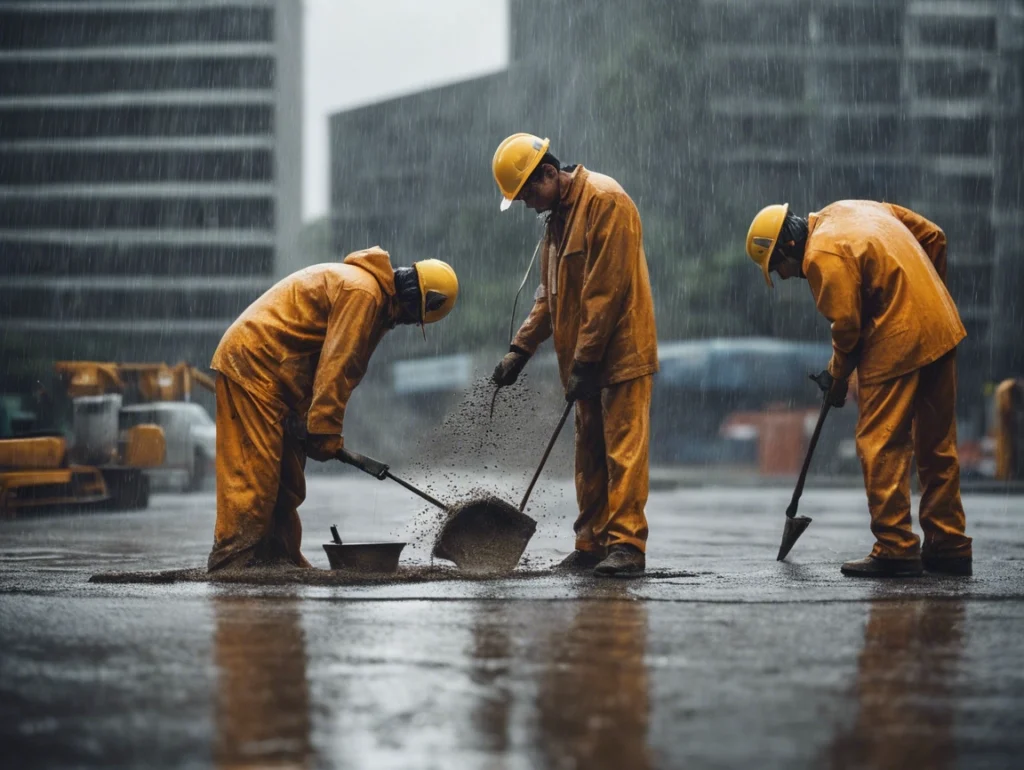
Why Pouring Concrete in the Rain Can Be Challenging? When it comes to construction, one of the most common questions is, “Can you pour concrete in the rain?” The answer is complex, and it largely depends on several factors such as the severity of the rain, the type of concrete being used, and the timing. Pouring concrete during rainy weather can result in weakened surfaces, cracks, or delays in curing, but with the right precautions, it is possible to achieve a solid and durable finish. In this guide, we’ll explore the best practices, challenges, and professional tips for pouring concrete in the rain, ensuring your project remains on track regardless of the weather. 1. Understanding the Challenges of Pouring Concrete in the Rain Key Points to Consider: Water-to-Cement Ratio: Excess water can disrupt the critical water-to-cement ratio, leading to weak concrete. Surface Damage: Rain can cause surface damage, leaving the top layer of concrete brittle and prone to dusting. Curing Time: Moisture slows the curing process, which can delay the overall project. Pouring concrete in the rain is a gamble if not managed correctly. Rainwater can dilute the concrete mix, resulting in a bad structure. Even light showers can affect the surface, causing issues like scaling, efflorescence, and unwanted staining. Moreover, excessive water on the surface can compromise the strength and longevity of your slab. To avoid these pitfalls, it is crucial to prepare ahead and follow specific procedures. 2. Best Practices for Pouring Concrete in Wet Conditions Step 1: Monitor the Weather Before starting any concrete pour, check the weather forecast. If light rain is predicted, it’s best to postpone the project if possible. However, for urgent projects where delay isn’t an option, monitor the conditions closely to prevent major issues. Step 2: Use Plastic Sheeting or Tarps Cover your work area with waterproof sheeting before the rain begins. Make sure the edges are securely weighed down so water cannot seep in. Have extra sheeting on hand to cover the freshly poured concrete until it is set enough to resist damage. Step 3: Prepare the Ground Properly One major issue is that rainwater can pool on the ground, causing mud and other debris to mix with your concrete. Ensure that the ground is compacted and prepared properly to prevent water pooling. Lay down gravel or sand as a base to avoid direct contact with wet ground. Step 4: Use Quick-Setting Concrete Quick-setting concrete is ideal for rain-prone areas as it hardens faster, reducing the window of vulnerability during downpours. Additives can also be mixed into the concrete to accelerate the drying process, making it less susceptible to water damage. Step 5: Avoid Overworking the Surface Once the concrete has been poured, avoid overworking the surface as this can draw excess water to the top. Allow the concrete to set naturally before applying any finishing touches. Step 6: Post-Pour Protection Once the concrete is set, continue protecting it from rain for at least 24 hours. Use additional coverings and ensure that the area is free from puddles. This is especially important if heavy rains are expected overnight. 3. Adjusting the Concrete Mix for Wet Conditions Concrete Mix Adjustments: The most effective strategy when pouring concrete in wet weather is to modify the mix itself. Consider using the following adjustments: Reduce Water Content: Lower the water-to-cement ratio to compensate for any additional moisture introduced by rain. Include Air-Entraining Admixtures: These admixtures help the concrete resist the detrimental effects of rain by improving its workability and freeze-thaw durability. Use Hydrophobic Additives: These specialized additives reduce water permeability, enhancing the concrete’s resistance to water-related damage. With the right mix adjustments, even rainy weather won’t compromise the structural integrity of your concrete pour. Speak with your concrete supplier about adding rain-resistant chemicals and additives to ensure a successful outcome. 4. Post-Pour Precautions and Maintenance Cover and Protect the Area After pouring, it is crucial to shield the concrete from further water exposure. Continue using tarps or plastic covers, especially during the curing period. Make sure the cover doesn’t come into direct contact with the surface, as this can leave marks or damage the finish. Monitor the Curing Process Concrete curing is essential to its long-term strength. Rain can interfere with curing, causing prolonged drying times or uneven surfaces. Monitor the curing process closely, ensuring that the environment stays at a stable temperature and moisture level for optimal results. Fixing Minor Damage In the event that rain has already impacted the surface, minor surface repairs can be made. This includes using patching compounds or skim coats to repair superficial cracks or imperfections. These repairs should be completed before the concrete fully cures. 5. When to Delay the Pour Severe Rain Conditions There are times when even the best precautions won’t be enough. Severe rainstorms, thunderstorms, or continuous downpours are clear indicators that pouring concrete should be delayed. In such cases, it’s better to wait for clearer weather rather than risk an entire project’s integrity. Ground Saturation If the ground is overly saturated, it may cause long-term problems for your concrete, such as poor bonding or structural instability. Postponing the pour until the ground dries is often the best option to ensure the foundation’s strength. Final Thoughts on Pouring Concrete in Wet Conditions Now that you’re equipped with the knowledge to pour concrete in the rain, the next step is to put these tips into action. However, even with the best guidance, certain weather conditions can still present challenges beyond your control. If you want to ensure your project’s success, consider reaching out to a professional contractor with experience handling weather-impacted concrete pours. They can help assess the conditions, make the right mix adjustments, and implement the necessary protections to safeguard your investment. Don’t take chances with your concrete project—contact us to discuss your specific needs, get personalized advice, and guarantee a durable, high-quality result even when the weather doesn’t cooperate. Whether you’re planning a small home improvement or a large-scale construction project, professional guidance
Top 5 Concrete Contractors in Northern Colorado: Clients Reviews & Ratings
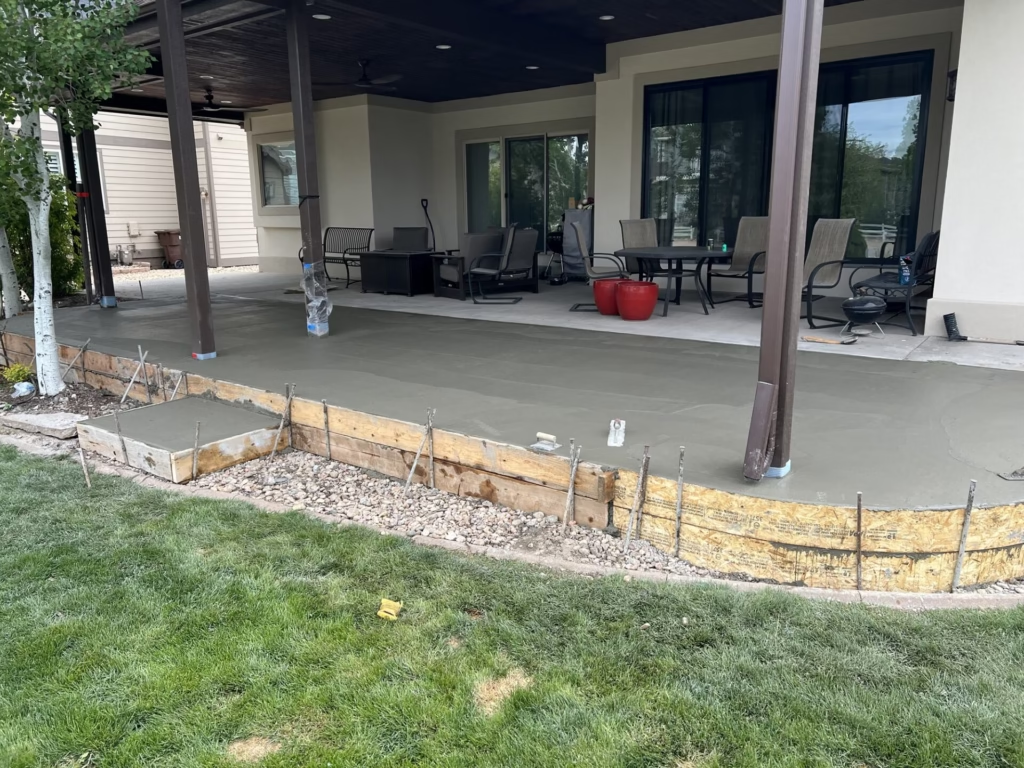
When it comes to concrete construction and concrete floors in general , choosing a reliable and skilled contractor is essential for ensuring quality and durability. Northern Colorado is home to several outstanding concrete contractors, each offering unique strengths and services. Discover the top five concrete contractors in Northern Colorado, ideal options when you’re searching for concrete contractors near me for your next outdoor project. 1. GLH Construction LLC “Whatever your infrastructure needs, our team of experienced general contractors are ready to deliver the highest quality infrastructure for your commercial, private sector, and residential projects” They specialize in concrete work. 2. Sprague Structural Solutions “Sprague Structural Solutions is your trusted expert for concrete leveling, concrete repair, and spray foam insulation. Using proven, warranted products and systems, we provide long-lasting solutions for Fort Collins homes and commercial buildings”. 3. Lobos Custom Concrete LLC “Our vision at Lobos Custom Concrete is to connect you with beautiful and structural work through integrity. We achieve this by providing excellent customer service” 4. Lightfield Enterprises, Inc Lightfield Enterprises, Inc. has provided concrete services to the City of Fort Collins, as well as many residences, municipalities, businesses, and schools. Lightfield is one of Northern Colorado’s leading concrete contractors based in Fort Collins, but serving all of Northern Colorado and the Denver Metro area. 5. Sons of Concrete LLC “Sons of Concrete LLC is a respected residential concrete company. We’re based in Gilcrest, CO and serve clients within a 60-mile radius of Fort Collins. If you need a new patio, driveway or an upgrade to your existing concrete, we’re the crew to call on”. Honorable Mention: Hugo’s Concrete While the above contractors are among the best in Northern Colorado, Hugo’s Concrete deserves special mention for their exceptional services. Known for their expertise in concrete polishing, epoxy flooring, driveways, patios, and stamped concrete, Hugo’s Concrete combines quality and innovation to deliver outstanding results. Hugo’s Concrete is highly rated in Northern Colorado, and you can check out their reviews on Google to see why they are a preferred choice for many clients. Check out Hugo’s Concrete reviews. Selecting the right concrete contractor is crucial for the success of your project. The contractors listed above are known for their expertise, quality workmanship, and dedication to customer satisfaction. Whether you need residential or commercial concrete services, these contractors offer a range of solutions to meet your needs. When planning your next concrete project, consider reaching out to one of these top-rated contractors to ensure you receive the best possible results. Disclaimer When choosing a contractor, it is important to conduct due diligence. We recommend researching each contractor thoroughly, reading reviews, and possibly contacting previous clients. This will help ensure you select the best contractor for your specific needs and project requirements.
Case Studies: Successful Concrete Projects in Northern Colorado
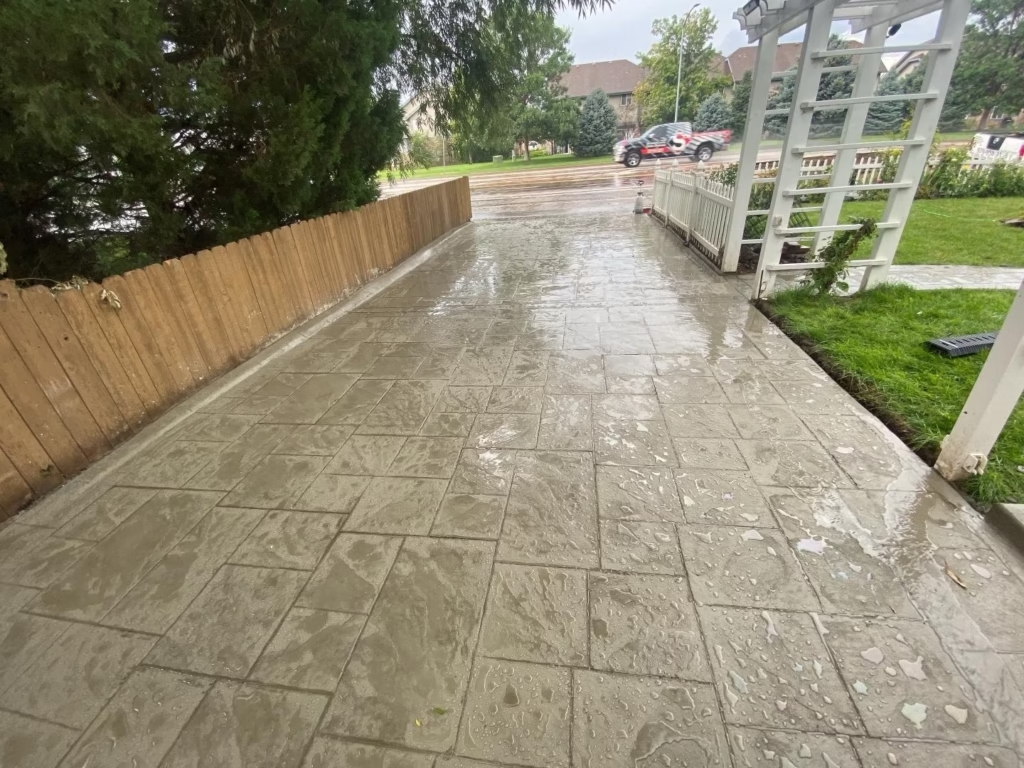
At Hugo’s Concrete, we pride ourselves on delivering exceptional concrete solutions tailored to the unique needs of our clients across Northern Colorado. From residential driveways in Fort Collins to commercial sidewalks in Loveland, our portfolio showcases a wide range of successful concrete projects. Each project highlights our expertise in concrete floors, polishing, and epoxy applications, ensuring durability and aesthetic appeal. Whether it’s a colored stamped patio or a large-scale commercial floor, our dedication to quality and customer satisfaction is evident in every project we undertake. Concrete is a versatile and durable material, making it ideal for a wide range of construction projects. Below, we highlight some of our most successful concrete projects, showcasing our expertise and commitment to quality. 1. Fort Collins Community Center Parking Lot Project Overview: The Fort Collins Community Center required a durable, long-lasting parking lot that could withstand heavy traffic and harsh weather conditions. Hugo’s Concrete was tasked with this project, utilizing top-quality materials and advanced construction techniques to ensure the parking lot’s resilience. The project included precise grading, robust reinforcement, and a specialized concrete mix designed to resist cracking and erosion. With a focus on longevity and performance, the new parking lot now provides a safe and reliable surface for the community, capable of enduring the demands of daily use and the extreme weather variations typical of Northern Colorado. Challenges: The project needed to be completed within a tight timeframe to minimize disruption to the community center’s operations. Additionally, the site required significant grading and preparation due to uneven terrain. Solution: Our team used high quality concrete with a specialized mix to ensure durability and longevity. We also employed advanced techniques for grading and leveling the site. The project was completed ahead of schedule, and the new parking lot has received positive feedback from the community. 2. Loveland Residential Driveway Project Overview: A homeowner in Loveland wanted to replace their old asphalt driveway with a new, visually appealing, and low-maintenance concrete driveway. Challenges: The project required precise removal of the old driveway without damaging the surrounding landscaping. Additionally, the homeowner wanted a custom stamped concrete design to enhance their home’s curb appeal. Solution: Our team carefully removed the old asphalt and prepared the site for the new concrete installation. We used high-quality concrete and created a beautiful stamped design that matched the homeowner’s vision. The result was a stunning driveway that significantly improved the property’s appearance. 3. Commercial Epoxy Flooring in Greeley Project Overview: A commercial facility in Greeley needed a durable, easy-to-clean flooring solution for their warehouse space. They opted for epoxy flooring due to its resilience and low maintenance. Challenges: The project had to be completed during off-hours to avoid disrupting the facility’s operations. Additionally, the existing floor had numerous cracks and imperfections that needed to be addressed. Solution: Our team worked overnight to minimize disruption to the business. We repaired all cracks and leveled the surface before applying the epoxy coating. The new floor is not only durable and easy to maintain but also enhances the overall appearance of the facility. 4. Polished Concrete Floors for a Retail Store in Longmont Project Overview: A retail store in Longmont wanted to upgrade their flooring to polished concrete for its modern look and ease of maintenance. Challenges: The project had to be completed without significant downtime to the store’s operations. Additionally, the existing floor had stains and uneven areas that needed to be addressed. Solution: We scheduled the work during the store’s off-hours and used industrial-grade polishing equipment to achieve a high-gloss finish. The polished concrete floors now provide a sleek, modern look that impresses customers and requires minimal upkeep. Conclusion These case studies highlight Hugo’s Concrete’s ability to deliver high-quality concrete solutions for a variety of needs. Whether it’s a commercial parking lot, a residential driveway, or a polished floor for a retail store, we have the expertise and dedication to exceed our clients’ expectations. Contact us today to learn how we can help with your next concrete project in Northern Colorado.
Ground Compaction: Key to Durable Concrete in Northern Colorado
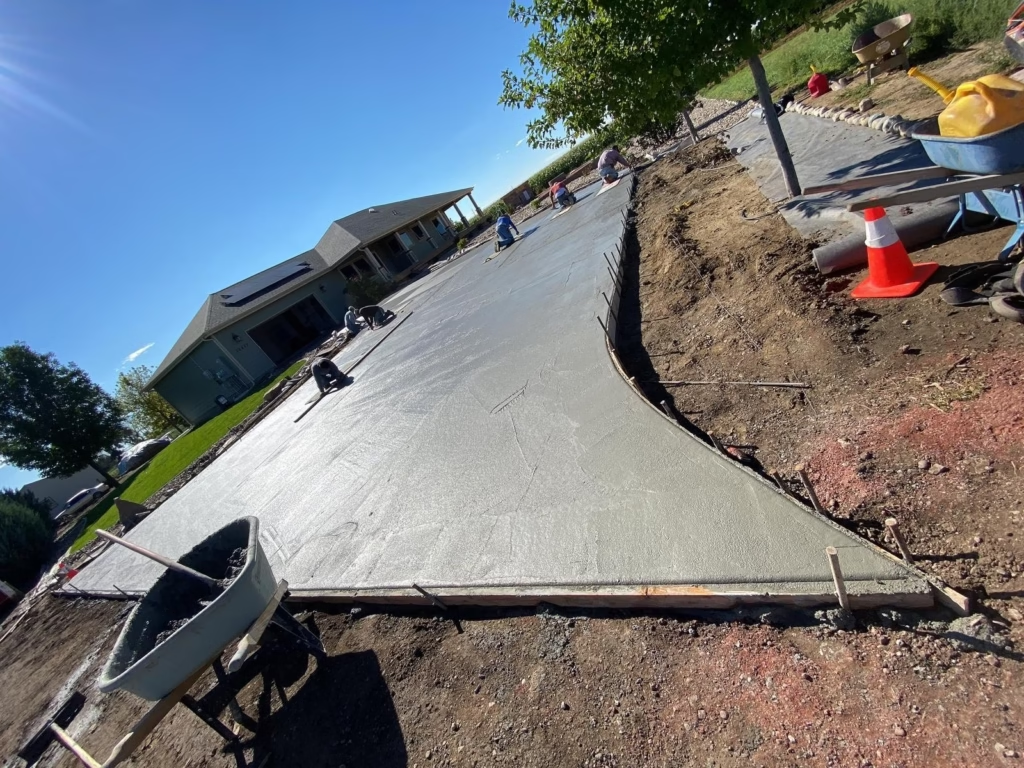
In the challenging ground of Northern Colorado, where the landscape varies from expansive plains to rugged mountains, construction projects face unique geological issues. Ground preparation, particularly ground compaction, plays a pivotal role in ensuring the stability, durability, and longevity of concrete foundations. This helpful guide explores the significance of ground compaction in Northern Colorado’s concrete construction industry, delving into its benefits, process, and expert recommendations for achieving optimal results. Understanding Northern Colorado’s Geological Challenges: Northern Colorado’s geological diversity presents construction projects with unique challenges. The region’s soil composition, moisture levels, and geological formations vary widely, affecting the performance of concrete structures. Expansive soils, characterized by their tendency to swell and shrink with changes in moisture content, provide significant risks to construction projects. Additionally, harsh weather conditions, including freezing temperatures and heavy precipitation, further exacerbate the challenges, leading to soil movement and structural instability. The Imprtance of Ground Compaction: Ground compaction is a fundamental step in the construction process that involves mechanically densifying the soil to increase its load-bearing capacity and reduce the risk of settlement or subsidence. In Northern Colorado, where soil conditions are highly variable and expansive soils are prevalent, correct compaction is essential to ensure the integrity and stability of concrete structure. By compacting the ground effectively, construction teams can mitigate the effects of soil movement, such as swelling, shrinking, and frost heave, thereby safeguarding the foundation integrity of concrete structures. Benefits of Ground Compaction: 1. Stability: Compacted soil provides a durable and stable foundation for concrete structures, minimizing the risk of uneven settlement or structural damage over time. By improving the density of the soil, compaction enhances its ability to support the weight of heavy concrete loads, ensuring long-term stability and performance. 2. Durability: Properly compacted soil reduces the likelihood of soil movement and associated damage to concrete foundation, enhancing their durability and longevity. By mitigating the effects of expansive soils and frost heave, compaction helps preserve the structural integrity of concrete structure, elemninating the need for costly repairs or replacements. 3. Load Bearing Capacity: Compacted soil has a higher load-bearing capacity, which means it can support heavier loads without experiencing excessive settlement or deformation. This is very important in areas with expansive soils, where the risk of soil movement and structural damage is heightened. 4. Drainage Improvement: Compacted soil provides better drainage, preventing water from accumulating beneath concrete slabs and reducing the risk of erosion or soil erosion. Correct drainage is essential for maintaining the structural integrity of concrete foundations, as water infiltration can weaken the soil and compromise its loadbearing capacity over time. The Compaction Process: Achieving optimal ground compaction requires a systematic approach and adherence to best practices. The compaction process normaly involves the following steps: 1. Site Preparation: Clear and remove the construction site of any debris, vegetation, or organic materials that may interfere with the compaction process. It’s essential to start with a clean and level surface to ensure uniform compaction across the entire site. 2. Soil Analysis: Conduct a thorough analysis of the soil conditions to determine the proper compaction method and equipment needed for the project. Factors such as soil type, moisture content, and compaction specifications will influence the selection of compaction equipment and techniques. 3. Compaction Equipment: Choose the proper compaction equipment based on the soil type and project requirements. Vibratory rollers, plate compactors, and pneumatic tampers are commonly used for soil compaction, each offering great advantages depending on the specific conditions of the site. 4. Compaction Testing: Perform compaction tests at regular intervals throughout the process to make sure that the desired density and moisture content are achieved. Field density tests, such as the sand cone test or nuclear density test, provide valuable insights into the effectiveness of the compaction efforts and help verify compliance with project specifications. 5. Quality Assurance: Monitor and inspect the compaction process closely and make any necessary adjustments to ensure consistent and uniform compaction across the entire site. Quality assurance measures, such as regular inspection and testing, help identify potential problems early on and ensure that the compaction meets the required standards for the project. In Northern Colorado’s challenging construction environment, solid ground compaction is paramount for the success and longevity of concrete structures. By investing in thorough soil preparation and adhering to best practices for compaction, construction crews can mitigate the risks associated with expansive soils and extreme weather conditions, ensuring strong, durable, and long-lasting foundations. At Hugo’s Concrete, we understand the critical importance of ground compaction in Northern Colorado’s construction industry, which is why we offer expert guidance and high-quality concrete products to support our customers’ projects. Trust us to deliver the professionalism, reliability, and durability you need to bring your vision to life in Northern Colorado’s dynamic landscape. Contact Hugo’s Concrete today to schedule free consultation!
Concrete Contractor in Fort Collins: Why Hugo’s Concrete is Your Best Choice
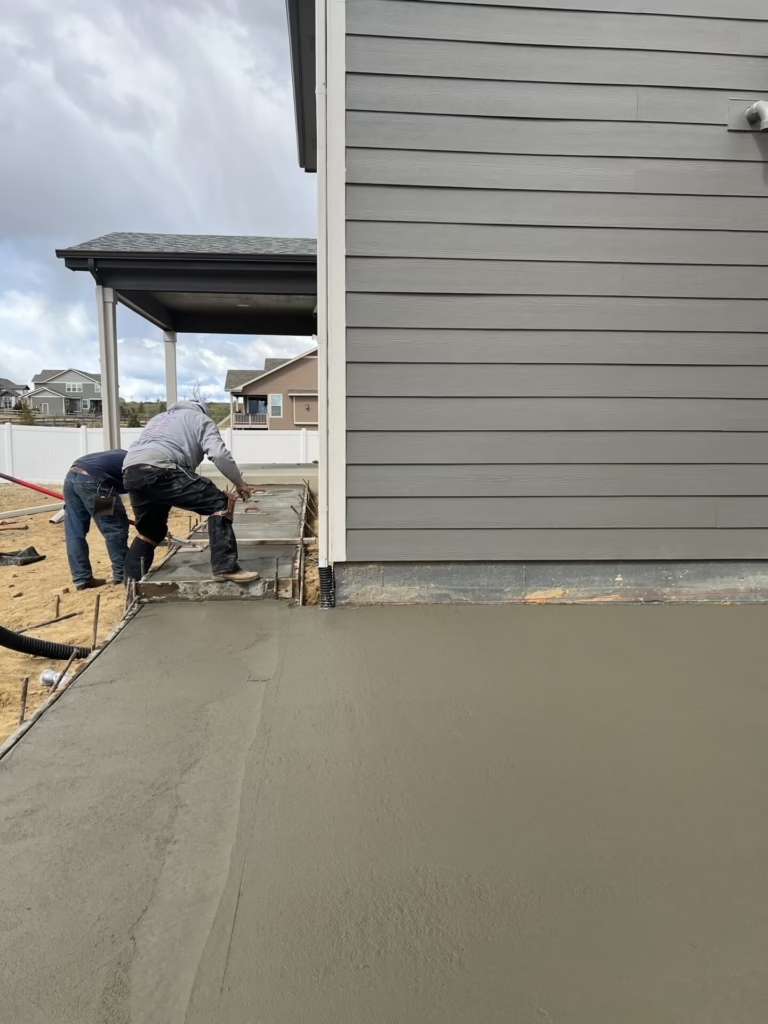
Choosing the Right Concrete Contractor in Fort Collins, CO In the bustling city of Fort Collins, finding the right concrete contractor for your project can be a crucial decision. Whether you’re planning a driveway installation, designing a concrete patio, or embarking on a commercial construction endeavor, selecting the right contractor in Fort Collins can significantly impact the success of your project. With countless options available, it’s essential to know what factors to consider when conducting your search, ensuring you choose a reliable and reputable contractor like Hugo’s Concrete. Here are some important considerations to keep in mind: Google Business Profile Reviews Start your search by checking the Google Business profiles of potential contractors in Northern Colorado. Reviews from past clients provide valuable insights into the contractor’s professionalism, quality of work, and customer service. Hugo’s Concrete takes pride in its highly rated reviews on Google, reflecting our commitment to excellence and customer satisfaction. Positive reviews indicate a track record of meeting or exceeding client expectations and can give you confidence in your choice. Experience and Expertise Look for concrete contractors in Northern Colorado with extensive experience in flat concrete work, particularly in the specific type of project you’re undertaking. Experienced contractors like Hugo’s Concrete bring a wealth of knowledge and expertise to the table, ensuring your project is completed to the highest standards. Experience not only means familiarity with various techniques and materials but also the ability to foresee and mitigate potential issues before they become significant problems. Portfolio of Past Projects Reviewing a contractor’s portfolio of past projects can give you a sense of their workmanship and style. Pay attention to the quality of craftsmanship and the diversity of projects completed. Hugo’s Concrete showcases a comprehensive portfolio of successfully completed projects, demonstrating our ability to handle a wide range of concrete construction endeavors. A diverse portfolio indicates versatility and an ability to adapt to different client needs and project specifications. Licensing and Insurance Ensure that the concrete contractor you choose is properly licensed and insured. This provides protection for both you and the contractor in the event of accidents or unforeseen circumstances during the project. Hugo’s Concrete is fully licensed and insured, giving you peace of mind knowing that your project is in capable hands. Licensing ensures that the contractor meets local regulatory requirements, while insurance protects against potential liabilities. Communication and Transparency Effective communication is essential throughout the duration of your project. Choose a contractor who communicates clearly, listens to your needs, and provides transparent pricing and timelines. At Hugo’s Concrete, we prioritize open communication with our clients, keeping you informed every step of the way. Transparent communication helps prevent misunderstandings and ensures that all parties are aligned regarding project expectations and progress. Quality of Materials and Equipment The quality of materials and equipment used can significantly impact the durability and longevity of your concrete project. Choose a contractor like Hugo’s Concrete that uses high-quality materials and state-of-the-art equipment to ensure superior results. If environmental sustainability is important to you, inquire about the contractor’s practices regarding waste management and environmentally friendly construction techniques. Hugo’s Concrete is committed to minimizing our environmental impact and employs eco-friendly practices whenever possible. High-quality materials and modern equipment contribute to the overall success and longevity of the project. Customer Service and Satisfaction Finally, consider the contractor’s reputation for customer service and satisfaction. Choose a concrete contractor who values your business and strives to exceed your expectations. Hugo’s Concrete is dedicated to providing exceptional customer service and ensuring your complete satisfaction with every aspect of your project. A contractor committed to customer service will be responsive to your needs and willing to go the extra mile to ensure your satisfaction. When searching for a concrete contractor in Fort Collins, it’s essential to consider factors such as Google Business profile reviews, experience, licensing, communication, and environmental practices. By carefully evaluating these factors and choosing a reputable contractor like Hugo’s Concrete, you can ensure the success of your concrete project. Whether you need a new driveway, a custom patio, or a large-scale commercial project, Hugo’s Concrete has the expertise and dedication to deliver outstanding results. Contact Hugo’s Concrete today to learn more about our services and how we can bring your vision to life. Our team is ready to provide you with a free estimate and discuss your project in detail, ensuring that you receive the best possible service and results.
Optimizing Concrete Pouring Conditions for Superior Results in Northern Colorado
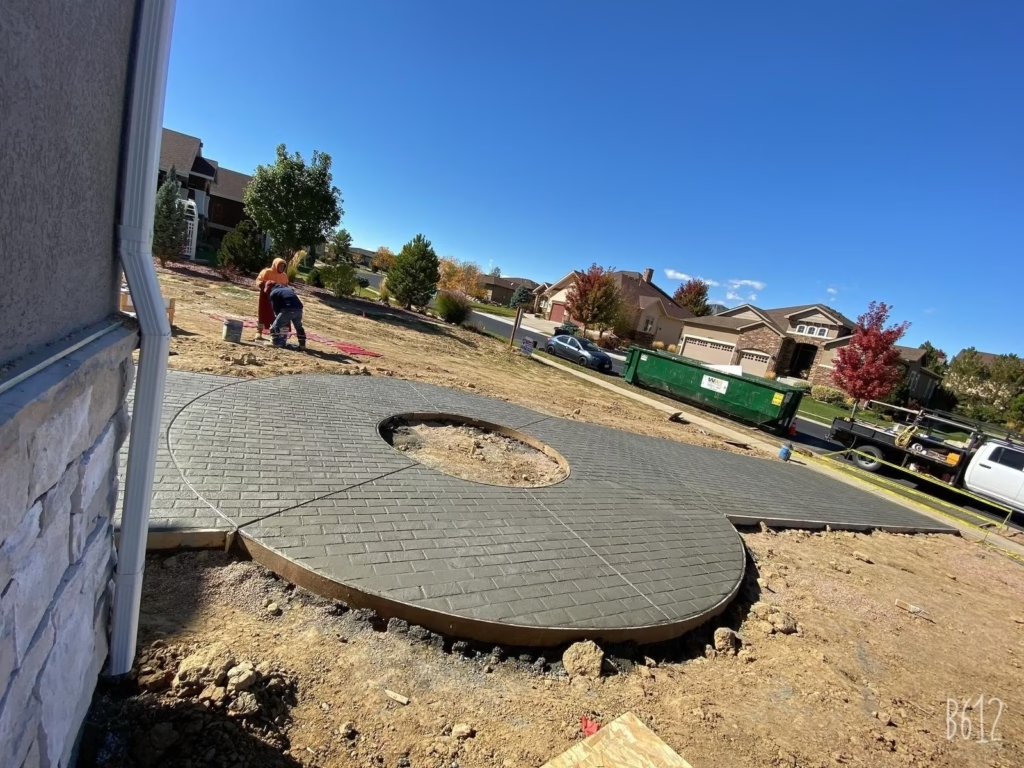
Northern Colorado Concrete Pouring: Mastering Ideal Conditions Concrete pouring is a pivotal phase in construction projects across Northern Colorado, where weather conditions can significantly impact the outcome. At Hugo’s Concrete, serving Fort Collins and the entire Northern Colorado region, we recognize the paramount importance of timing and temperature in ensuring successful concrete pours. In this comprehensive guide, we delve deeper into the intricacies of concrete pouring in our region, offering valuable insights and expert tips for achieving optimal results. Understanding Temperature Requirements The temperature during and after the concrete pouring process plays a crucial role in determining the strength and durability of the finished product. In Northern Colorado, the ideal temperature range for pouring concrete typically falls between 50°F to 85°F (10°C to 30°C). Within this range, the concrete can cure properly and attain maximum strength. When to Avoid Pouring While the ideal temperature range provides a general guideline, certain weather conditions warrant caution and may necessitate postponing concrete pours: Extreme Heat: High temperatures can accelerate the curing process, leading to premature drying and potential cracks in the concrete. It’s advisable to avoid pouring concrete on excessively hot days, especially when temperatures exceed 90°F (32°C). Freezing Temperatures: Concrete poured in freezing conditions is susceptible to frost damage, which can compromise its structural integrity. It’s essential to refrain from pouring concrete when temperatures drop below 50°F (10°C) and to implement measures to protect the concrete from freezing during the curing process. Tips for Successful Concrete Pouring To ensure a successful concrete pour in Fort Collins or anywhere in Northern Colorado, consider implementing the following strategies: Thorough Planning: Monitor weather forecasts closely and schedule concrete pours during periods of moderate temperatures and low humidity. Adequate planning can help mitigate the risk of adverse weather conditions impacting the quality of the pour. Utilize Admixtures: Incorporating admixtures into the concrete mix can enhance workability and adjust curing times, particularly beneficial in challenging weather conditions. Admixtures help optimize concrete performance and enhance its durability. Provide Thermal Insulation: During colder months, insulate the ground and utilize blankets or heated enclosures to maintain the ideal temperature for curing. Proper thermal insulation ensures uniform curing and prevents thermal differentials that may compromise concrete strength. Ensure Proper Hydration: Concrete hydration is essential for the curing process. Maintain adequate moisture levels by misting with water or using curing compounds to prevent premature drying and ensure optimal strength development. Efficient Work Practices: Once pouring begins, work efficiently to achieve uniformity and minimize the risk of cold joints resulting from interruptions in the pouring process. Proper consolidation and finishing techniques are essential for achieving a smooth and durable concrete surface. Conclusion: Mastering concrete pouring in Northern Colorado requires meticulous attention to detail and adherence to optimal temperature conditions. By understanding the impact of weather on concrete curing and implementing best practices, you can achieve superior results that withstand the test of time. At Hugo’s Concrete, we’re committed to delivering top-quality concrete services tailored to the unique needs of our clients in Fort Collins and throughout Northern Colorado. Trust us for your next concrete project, and experience the difference expertise makes in achieving exceptional outcomes. In Northern Colorado’s unique landscape, environmental factors can also influence concrete pouring outcomes. By prioritizing eco-friendly practices, such as using recycled materials in concrete mixes and implementing sustainable construction methods, we can minimize environmental impact while delivering exceptional results. At Hugo’s Concrete, we are committed to sustainable practices that preserve the natural beauty of our region for future generations. Contact Hugo’s Concrete to schedule your free estimate!
Stamped Concrete Guide: Enhancing Spaces with Style and Durability
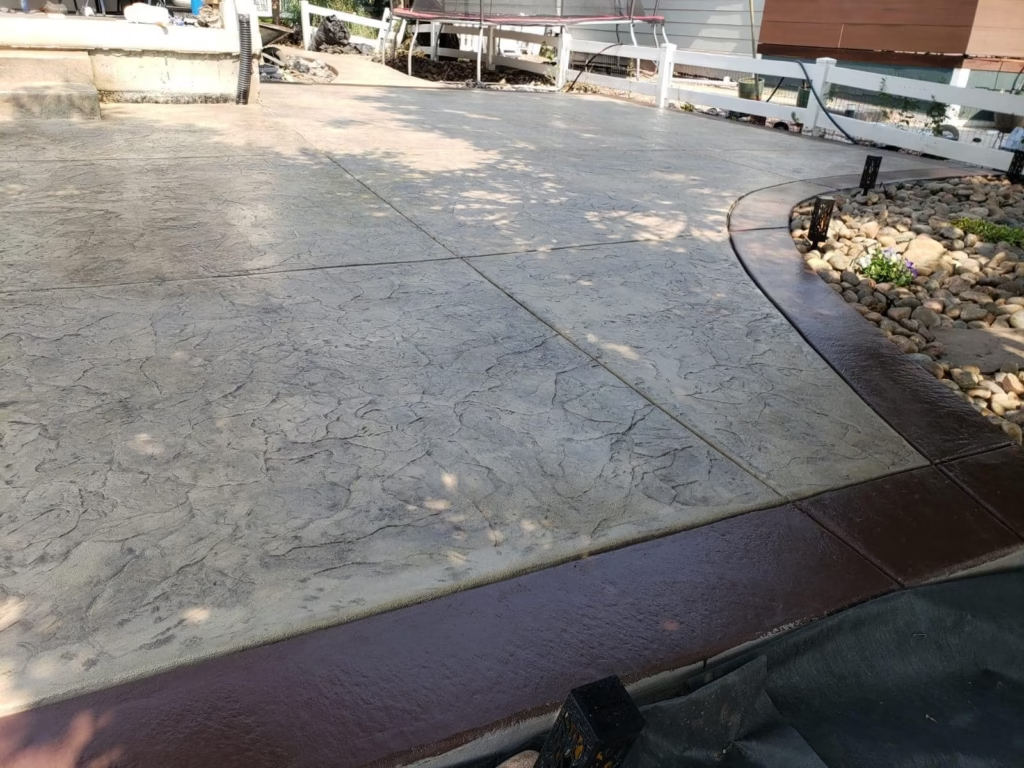
The benefits of stamped concrete are multifaceted. Firstly, it provides an economical alternative to natural materials while offering the versatility to mimic various textures and patterns. Its durability makes it suitable for high-traffic areas, and the extensive range of available colors and designs allows for customization to suit different aesthetic preferences. Stamped concrete requires minimal maintenance compared to traditional materials, and its seamless surface minimizes weed growth and tripping hazards. The application of a protective sealer enhances its resistance to stains, UV rays, and general wear and tear, contributing to a longer lifespan. Additionally, stamped concrete offers a quick installation process compared to laying individual pavers or stones. Overall, the combination of aesthetic appeal, durability, and low maintenance makes stamped concrete a popular choice for enhancing outdoor spaces. Here’s a general overview of the stamped concrete process including the preparation, application, and finishing stages that contribute to the creation of durable and aesthetically pleasing surfaces that mimic the appearance of natural materials like stone, brick, or wood. Concrete Pouring: The concrete pouring process starts by pouring a concrete slab, essential for creating a strong foundation. This involves pouring freshly mixed concrete into prepared forms shaped to the desired dimensions. Whether it’s for new construction or an overlay on an existing surface, proper mixing and quick, precise pouring ensure even spreading and filling of voids. This step is vital for the durability and strength of the structure. Coloring: Coloring involves adding integral color to the concrete mix for a consistent base hue. Additional color can be achieved using color hardeners or stains. These methods enhance the surface’s appearance and durability, providing rich, lasting colors that mimic natural materials like stone or wood. Proper coloring techniques ensure a visually appealing finish. Stamping: Stamping is done while the concrete is still unset, using mats made of polyurethane or rubber to imprint patterns and textures. Proper alignment and pressure are crucial for a uniform, realistic appearance. This technique allows for the look of high-end materials at a fraction of the cost, making it a popular choice for decorative concrete surfaces. Detailing: Detailing involves adding fine textures and details with hand tools after stamping. This step enhances the realism of the stamped patterns, making them look more natural. Attention to detail during this stage ensures a high-quality, aesthetically pleasing finish that stands out. Release Agent Application: A release agent is applied to the concrete and stamps to prevent sticking and add color variation. This agent, in powder or liquid form, ensures clean removal of the stamps and contributes to the final appearance by creating subtle, natural-looking variations in color. Curing: Curing is the process of allowing the concrete to harden and achieve its full strength. This typically takes several days and involves maintaining adequate moisture and temperature. Proper curing prevents cracking and ensures the concrete’s durability and longevity. Cleaning and Sealing: After curing, the concrete is cleaned to remove any residual release agent. A protective sealer is then applied, enhancing the color, protecting against stains, and improving durability. Regular maintenance, including resealing, keeps the concrete looking fresh and extends its lifespan. Hugo’s Concrete has helped hundreds of satisfied customers in Northern Colorado with their stamped concrete projects. Our commitment to quality and customer satisfaction has earned us a strong reputation in the community. Whether you need a new patio, walkway, or driveway, our expert team is ready to transform your space with beautiful, durable stamped concrete. Give us a call today to schedule a consultation, where we can discuss your project in detail and provide you with a personalized plan to bring your vision to life. Don’t wait—contact us now to start enhancing your property with our top-notch concrete services!
Hugo’s Concrete: A High Quality Concrete Contractor in Fort Collins
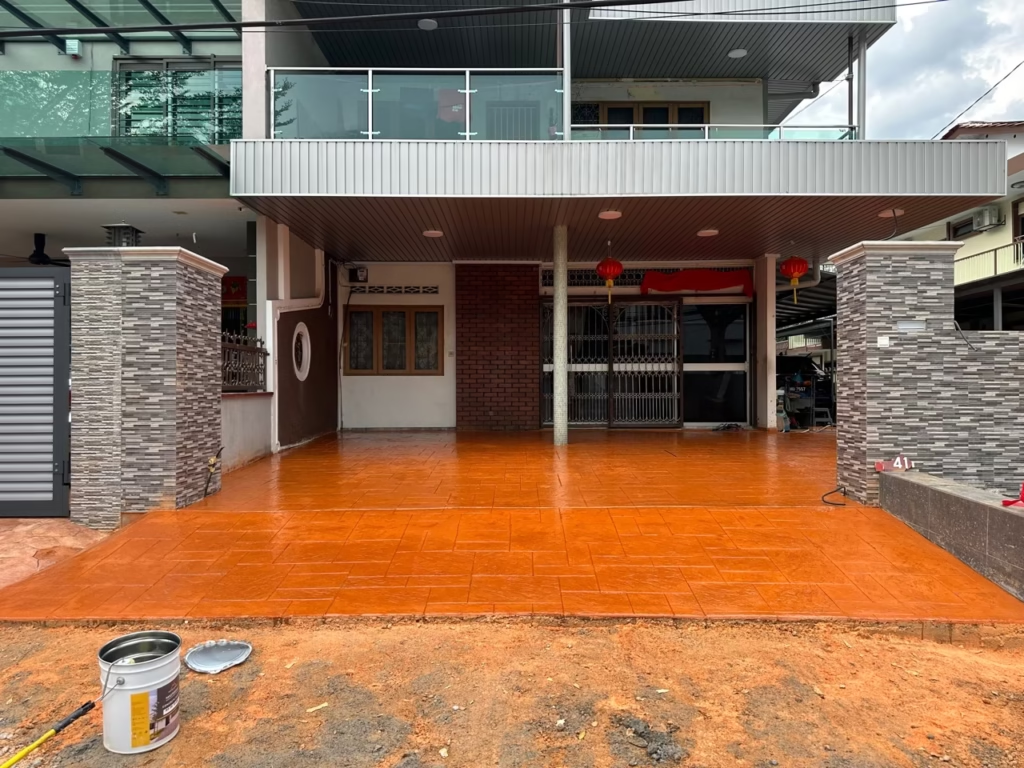
Welcome to Hugo’s Concrete, a Fort Collins based concrete contractor and your premier destination for top-tier concrete services that seamlessly blend craftsmanship, innovation, and reliability. With an unwavering commitment to excellence, we pride ourselves on being a leading concrete company that caters to the unique needs of our clients. At Hugo Concrete, we bring a wealth of experience to every concrete project, transforming ideas into concrete realities. Providing Tailored Concrete Solutions in Northern Colorado Hugo’s Concrete is delivers exceptional concrete services Fort collins and in all Northern Colorado, tailored to meet the diverse requirements of residential, commercial, and industrial projects. As a forward-thinking and customer-centric concrete contractor, we understand the significance of sturdy and aesthetically pleasing concrete structures. Whether you’re envisioning a beautifully designed patio, a structurally sound foundation, or intricate decorative concrete elements, we have the expertise to turn your vision into a tangible and enduring reality. With a dedication to excellence ingrained in our ethos, we pride ourselves on providing top-tier customer service that exceeds expectations at every turn. Comprehensive Support and Advanced Concrete Solutions for Every Client From the moment you reach out to us, our team is here to listen, advise, and guide you through every step of your project journey. Whether you’re a homeowner, contractor, or developer, we prioritize clear communication, responsiveness, and personalized attention to ensure your needs are not just met, but surpassed. Moreover, we understand the importance of budget-conscious decisions, which is why we offer competitive pricing without compromising on the quality of our materials or services. What also sets our Northern Colorado concrete company apart is not just our commitment to quality craftsmanship but also our emphasis on utilizing cutting-edge techniques and materials. We stay at the forefront of industry advancements, ensuring that our clients benefit from the latest innovations in concrete construction. Expert Concrete Services Tailored to Your Vision at Hugo’s Concrete Our team of skilled professionals combines traditional expertise with modern approaches, delivering projects that stand the test of time and exceed expectations. At Hugo’s Concrete, we prioritize customer satisfaction above all else. We recognize that each project is unique, and we approach every assignment with a personalized touch. From the initial consultation to project completion, our team works closely with clients to understand their goals, offer expert advice, and provide transparent communication throughout the process. Your vision is our mission, and we take pride in our ability to deliver tailored concrete solutions that meet and exceed your aspirations. Exceptional Concrete Services Tailored to Your Needs Explore our comprehensive range of services, including but not limited to concrete foundations, driveways, sidewalks, stamped concrete, and decorative finishes. Whether you’re embarking on a residential renovation or a large-scale commercial project, our team is equipped to handle projects of all sizes and complexities. When you choose Hugo’s Concrete, you’re choosing a concrete partner dedicated to the highest standards of quality, professionalism, and customer satisfaction. Transform your ideas into enduring structures with the assurance that comes from partnering with a concrete company that prioritizes precision, innovation, and your unique vision. Discover the difference that exceptional craftsmanship and unmatched dedication can make. Contact Hugo Concrete today for all your concrete needs, and let us pave the way to turning your dreams into concrete reality.