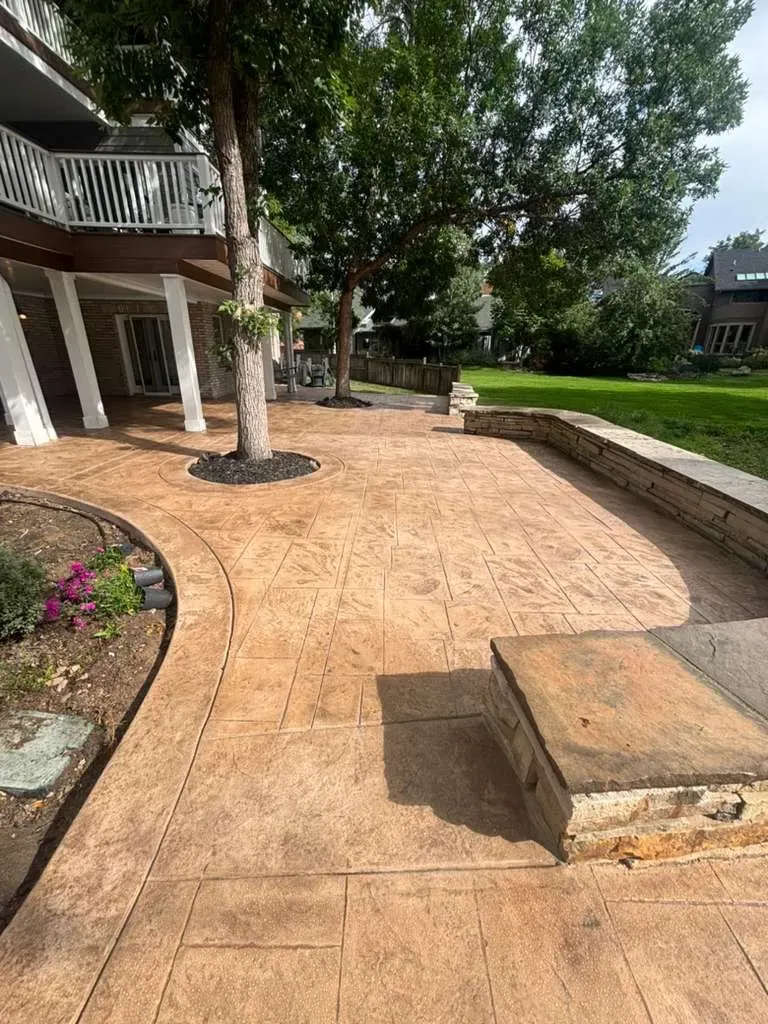
Cost-Effective Strategies for Planning Your Concrete Pour Installation in Northern Colorado
The market, material, prep and labor factors behind the price of a Northern Colorado concrete pour, and practical ways to keep it down.
Knowing what goes into the price of a concrete pour helps you plan it well and get good value for your money. The main factors are the local market, the size and type of project, the mix, the site preparation, labor and the extras that are easy to forget, and there are a few practical ways to keep the cost down without cutting corners.
Market Conditions
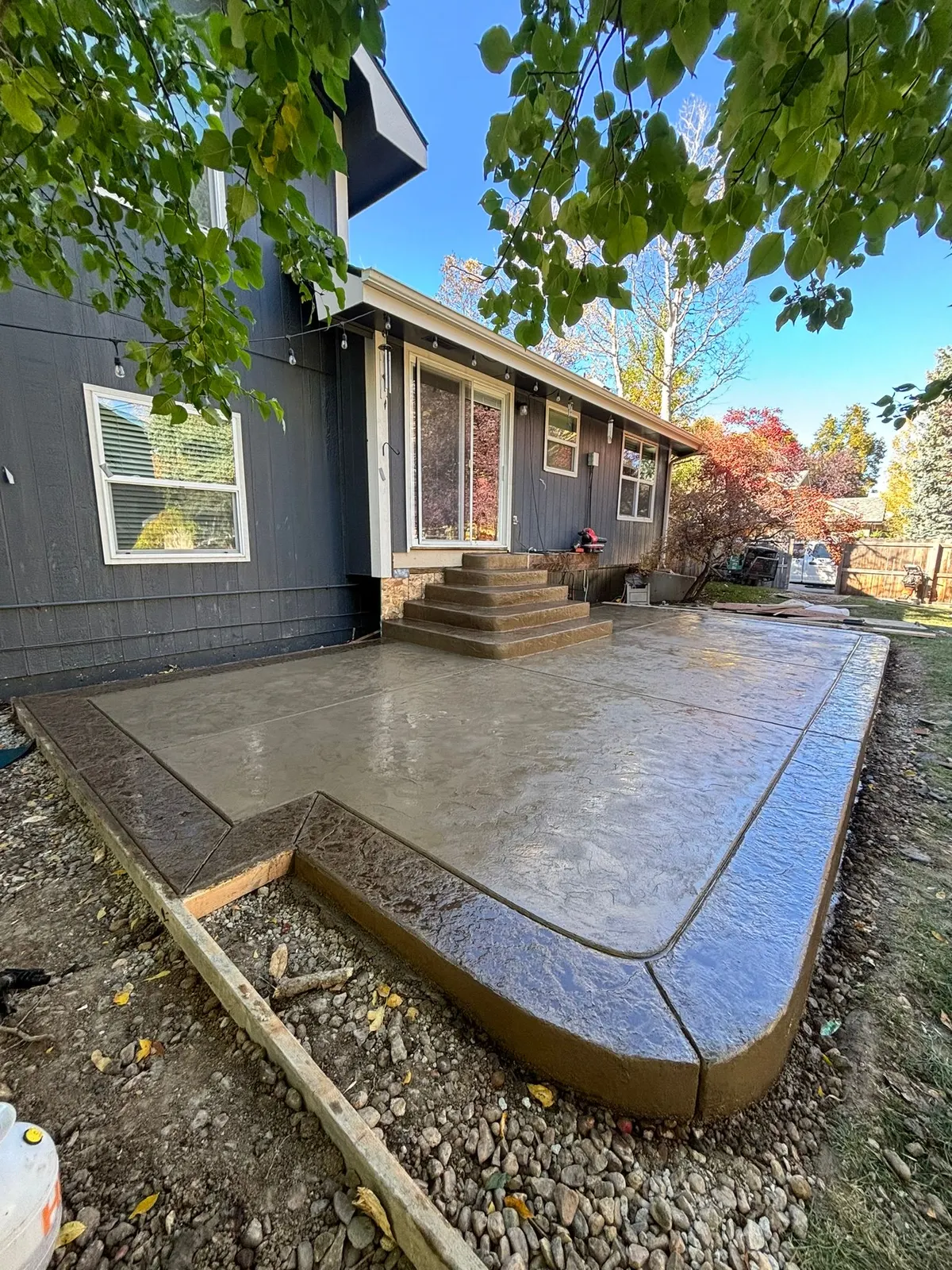
In Northern Colorado, concrete pour installation prices are shaped by the market: demand, the availability of materials and local economic conditions. Understanding them helps you anticipate swings in cost and plan around them.
Demand for concrete services has a big effect on pricing. During peak construction seasons such as spring and summer, demand is higher, which can push prices up. The availability and cost of raw materials like cement, aggregates and additives also go a long way toward setting the overall cost of a pour.
Supply chain disruptions, swings in material costs and changes in import and export policies can all affect what materials are available and what they cost. A shortage in cement supply or a rise in fuel prices, for example, drives up material costs and, with them, the price of concrete work.
Project Scope
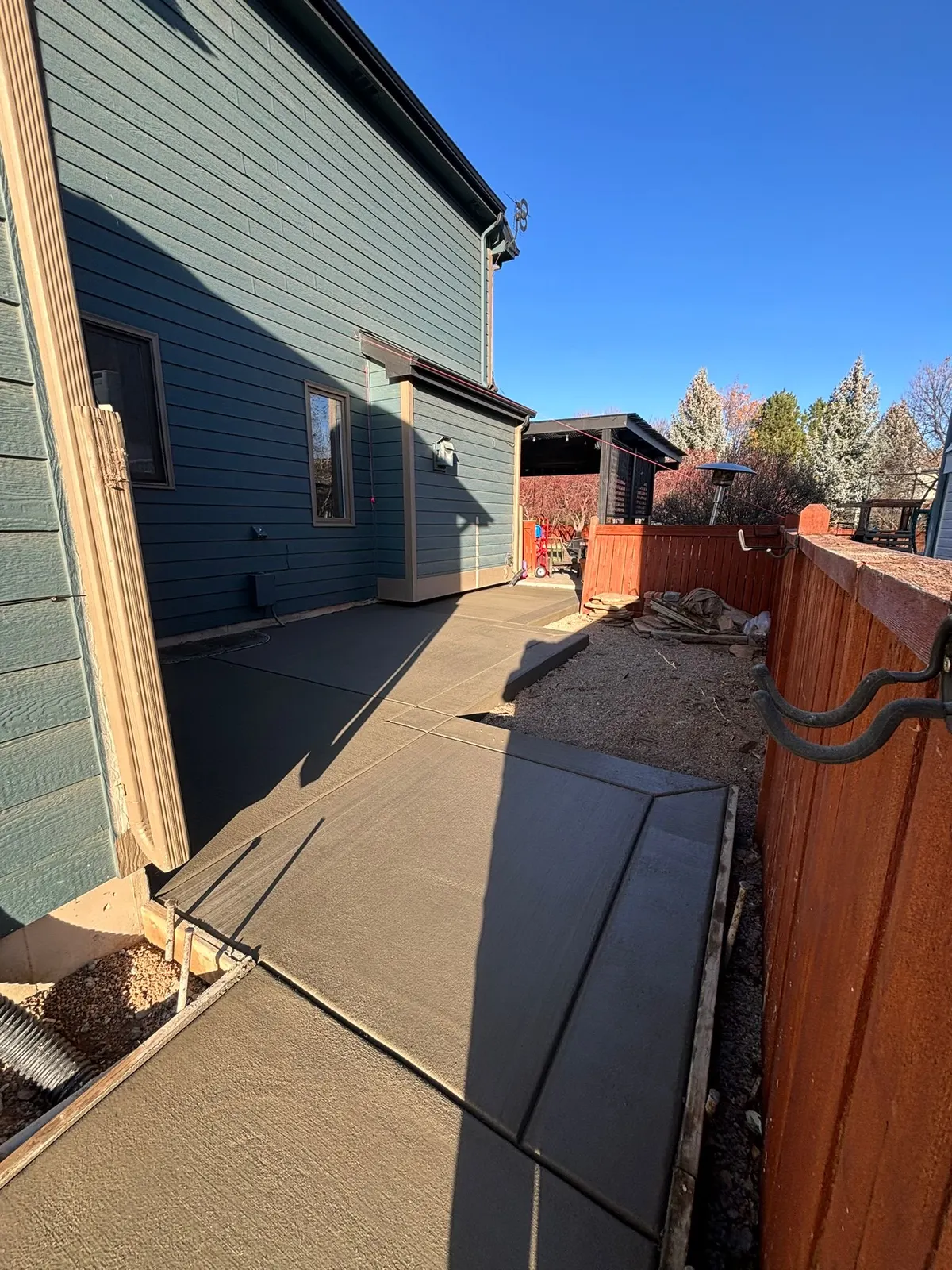
The scope of your concrete pour project is one of the biggest factors in what it costs. Projects range in scale and complexity, and a small residential driveway and a large commercial slab come with very different requirements, each of which affects the price. Defining the scope accurately gives you a much better idea of what to expect.
Concrete Mix Design
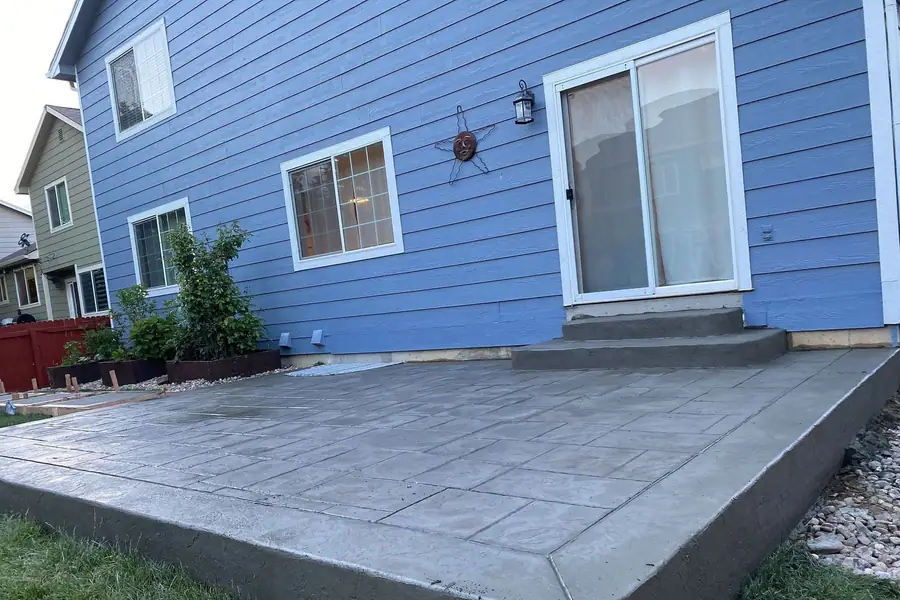
The mix design you choose can change the cost of your project significantly. Strength, durability and special additives all affect the price. A higher-quality mix may cost more, but it performs better and lasts longer, and knowing what each mix gives you helps you balance cost and quality.
Site Preparation
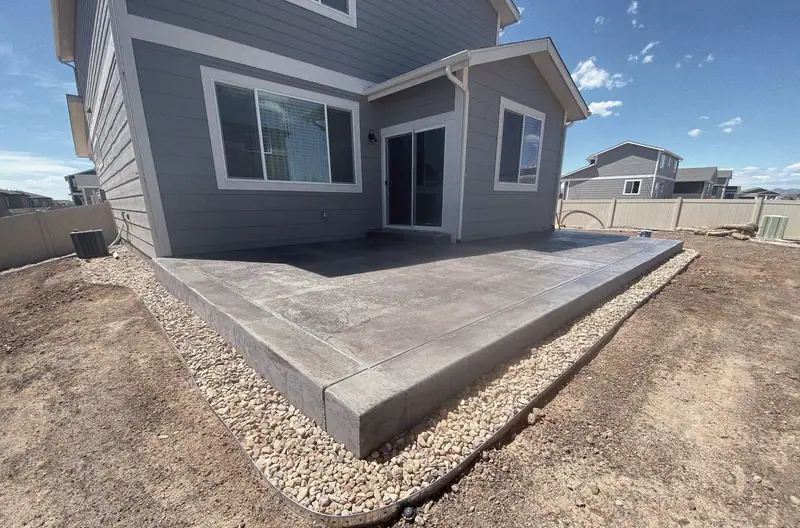
Proper site preparation is essential to a successful pour. Excavation, grading, reinforcement and formwork all go into the stability and life of the finished concrete, and each takes skilled labor, equipment and materials that add to the total cost.

Labor Costs
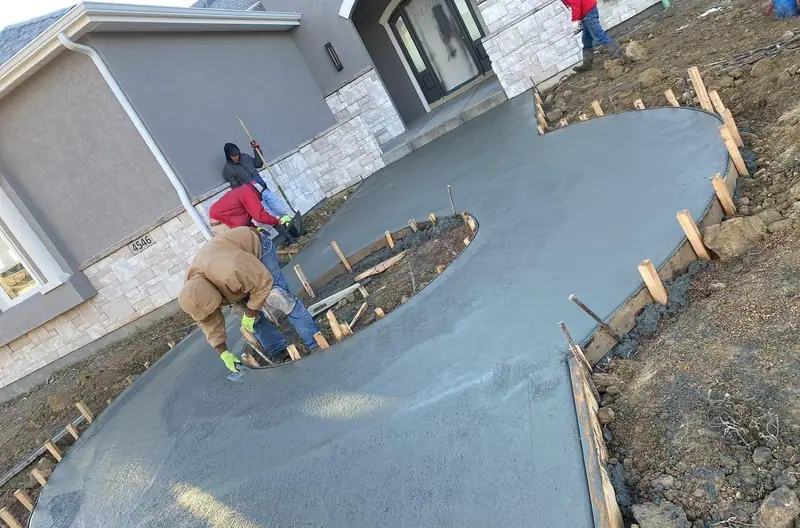
Labor is a large part of the overall cost. Skilled labor rates, equipment operation and how long the project takes all affect it, and so do the complexity of the job and the expertise it needs. Access and site conditions can also slow the crew down, which raises the cost.
Additional Expenses
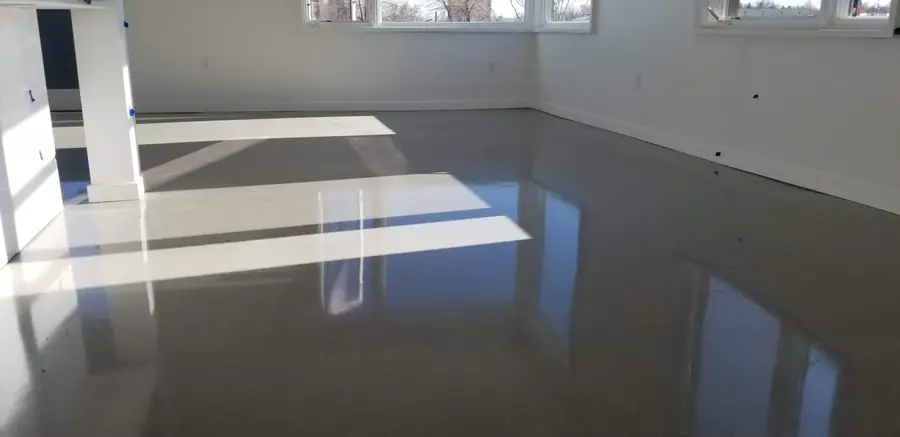
Beyond the main parts of the job, there may be other costs to plan for, including permits, disposal fees and finishing touches like staining or sealing. They may look minor, but they add up, so account for them while you're planning and you won't be surprised later.
Comparing Contractors
Looking at what several contractors charge gives you a sense of the going rate and helps you evaluate the quotes you get. Compare pricing structures, the services included and each contractor's reputation before you decide. Picking a reputable contractor whose price is competitive gets you quality work without overpaying.
Cost-Saving Strategies
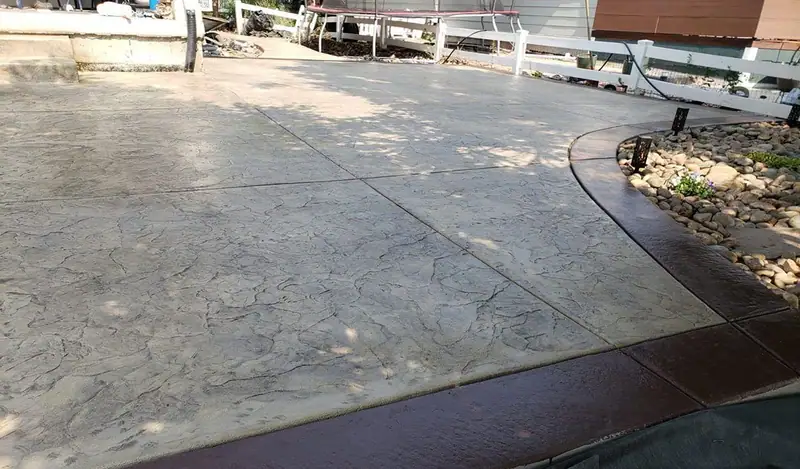
Most project owners want to keep costs down without giving up quality, and there are several ways to do it. You can schedule the work during the off-peak season to take advantage of lower labor rates, bundle several services together for a discount, or look at alternative materials or construction methods.

Planning Your Budget
Once you understand the market, the specifics of your project and the ways to save, you can plan and budget a residential driveway or a large commercial job with far fewer surprises. When you're ready to price your own project, contact us for an estimate.
Ready To Start?
Get Your Free Quote Today
Get a free quote from Hugo's Concrete — serving Fort Collins and surrounding areas.