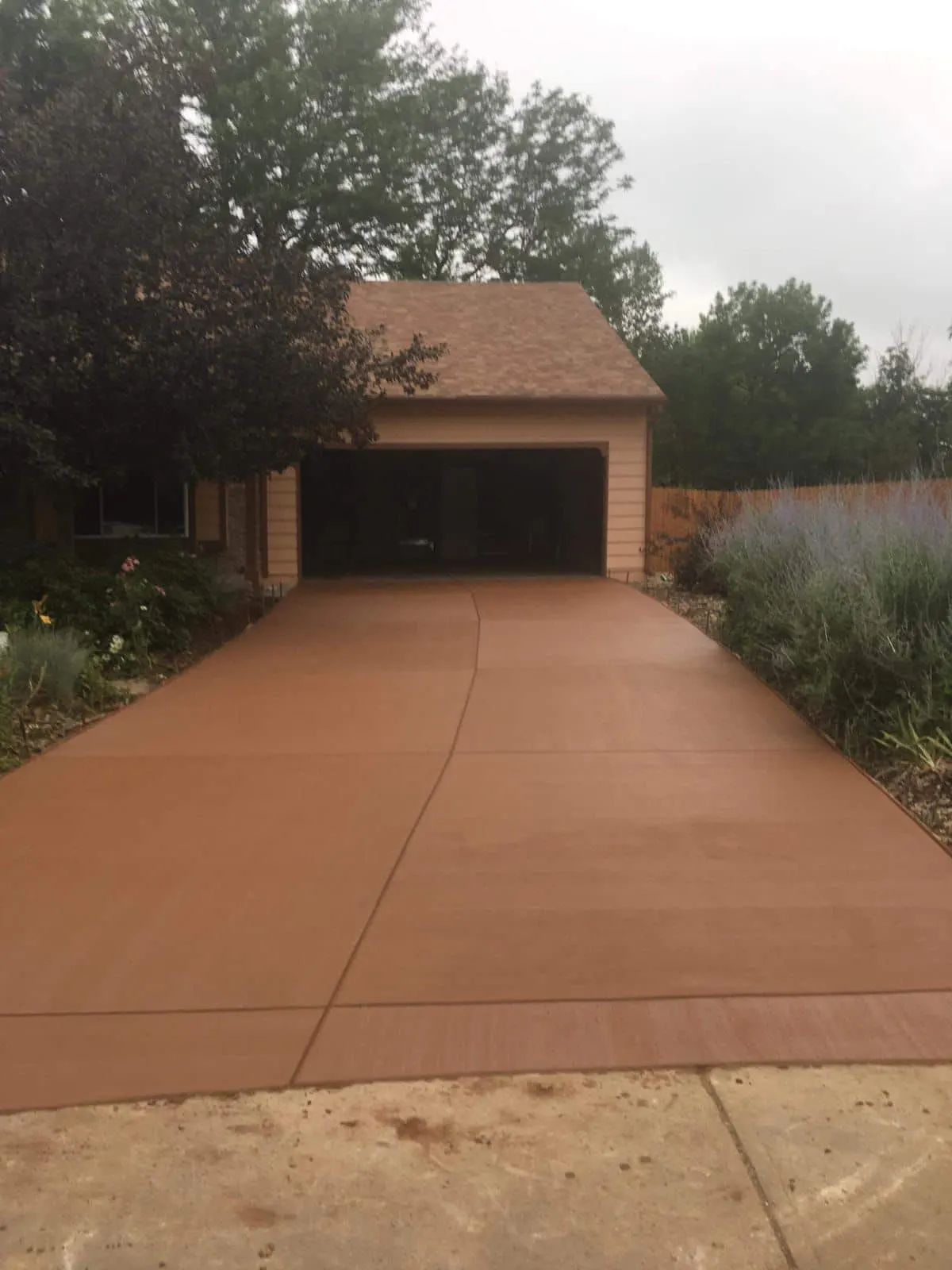
What Causes My Concrete Driveway to Crack?
The usual reasons Fort Collins driveways crack, what different cracks tell you, and the simple upkeep that helps prevent more of them.
The Short Answer
Most driveway cracks come from a mix of causes: Colorado's temperature swings and freeze-thaw cycles, heavy loads, soil that shifts or settles, tree roots, improper installation and plain aging. Hairline cracks are usually normal wear, while wide, deep or uneven cracks point to a bigger problem.
One crack in your driveway can take the shine off the whole front of your house, and it's natural to wonder why it showed up. The short answer is that concrete cracks for a handful of predictable reasons, and often it's more than one at a time. Here's what's usually behind it in Fort Collins, how to read what you're seeing, and what you can do to slow it down.
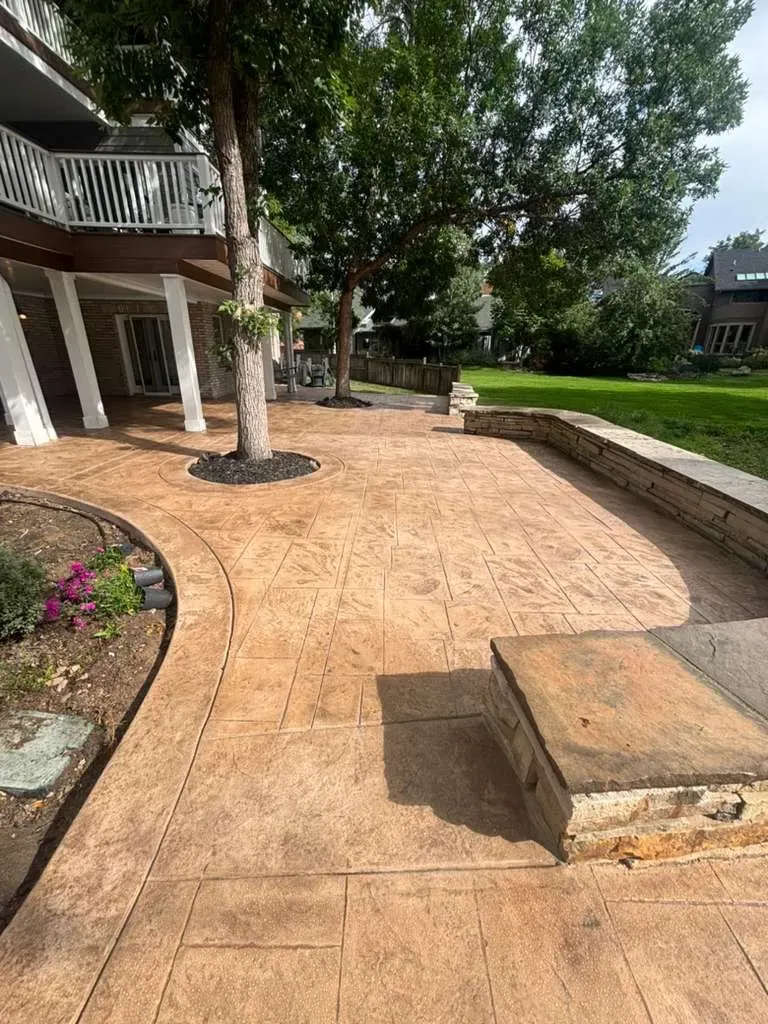
How Concrete Behaves
Concrete is made of cement, aggregate (the small rocks) and water, and it's the backbone of most driveways. It's sturdy and reliable, and in most cases it handles Fort Collins and Northern Colorado weather well. It isn't perfect, though, and one of its habits is cracking. Knowing why it cracks is the first step toward dealing with it.
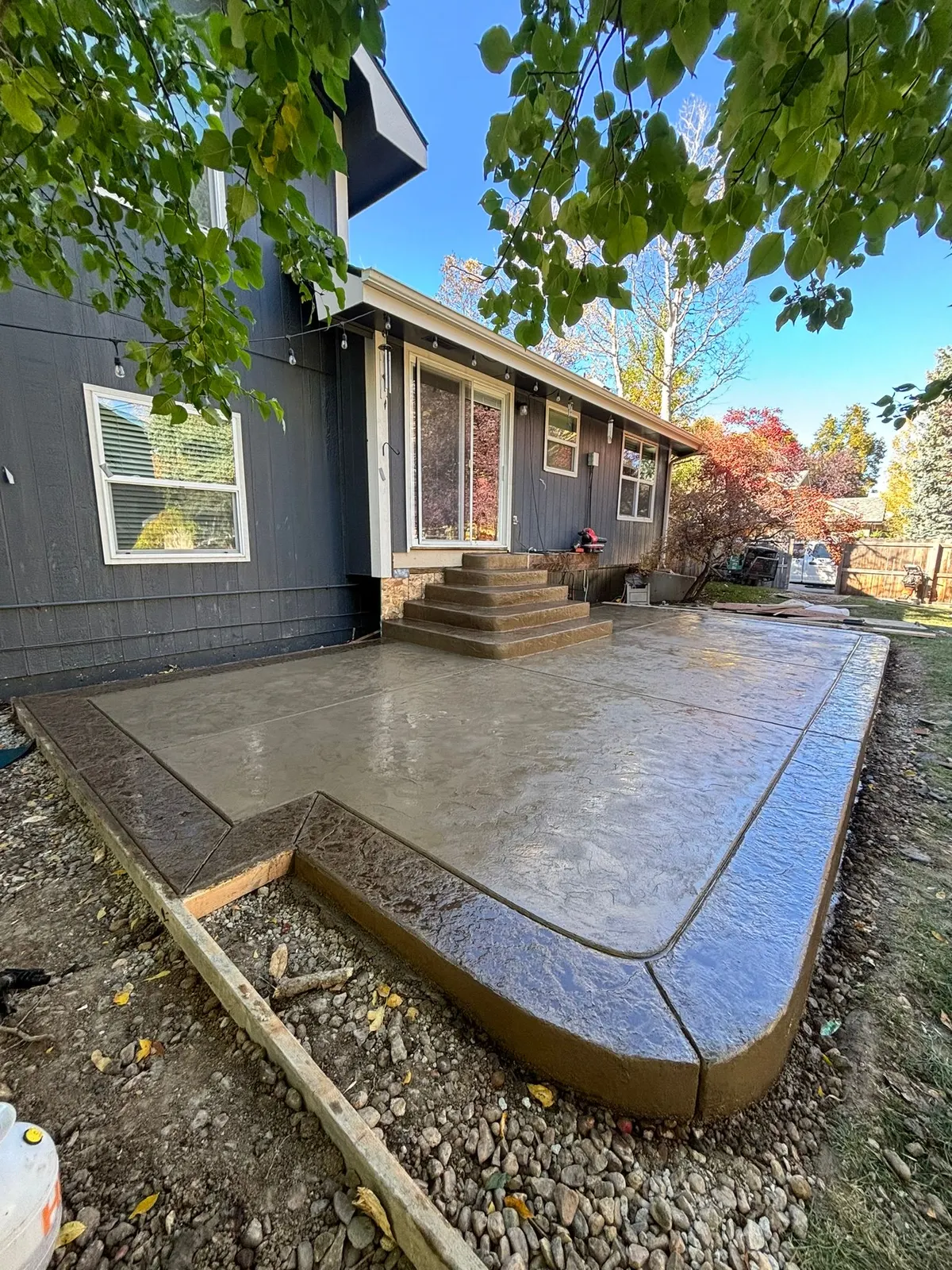
Common Causes of Driveway Cracks
Cracks always have a reason, and sometimes several. The first is our weather. Sun and snow make concrete expand and contract, and that movement builds stress inside the slab.
Then there's the freeze-thaw cycle. Water seeps into the driveway, winter comes, and the water freezes and expands. When it thaws in spring, it leaves bigger gaps behind, and year after year that chips away at the slab a little at a time.
Outside forces play a part too. Heavy loads or steady traffic can put more strain on a driveway than it was built for. The soil underneath can shift or settle over time and leave the concrete with uneven support. Tree roots near the driveway can push in under the slab. And finally there's improper installation, or simply age.
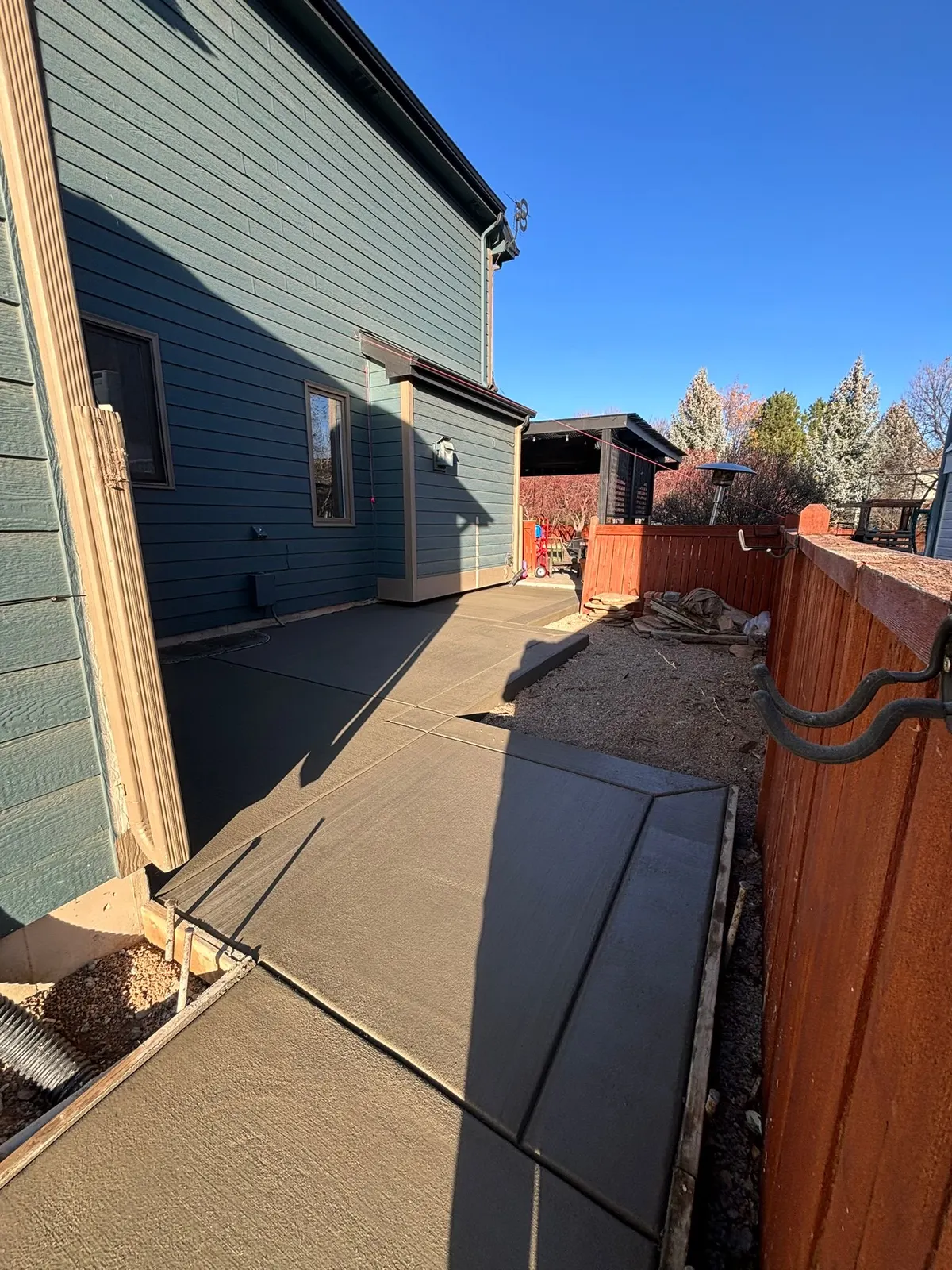
Reading Different Types of Cracks
The kind of crack you're looking at tells you something about the cause.
- Hairline cracks are normal signs of use and age. They don't usually mean anything serious, but they're worth keeping an eye on.
- Larger, uneven cracks can point to shifting soil or tree roots working their way under the driveway.
- Wide, deep cracks can come from heavy loads crossing the driveway often, or from a problem that goes back to the original installation.
Figuring out which kind you have is how you decide what to do about it and how to keep the damage from spreading.
Prevention and Maintenance
With proper care, a concrete driveway will serve you well for years, and regular maintenance is a big part of that. Sealing the driveway protects it from water seeping in, from oxidation, and from freeze-thaw damage.
Keep unnecessarily heavy loads off the driveway so you don't overstress the concrete. If you have trees close by, check that their roots aren't creeping under the slab. Regular checks help you catch small problems before they turn into serious ones.
We Can Help With Cracked Driveways
If your driveway is already cracking, you don't have to sort it out alone. We can look at what's causing the cracks and recommend the right fix, which might be a simple touch-up, a sealer, a bigger concrete repair or resurfacing. And when a driveway is past repair, we also build new concrete driveways in Fort Collins.
Most cracked driveways have more than one cause, and the right care goes a long way toward keeping new cracks away. If you'd like someone to take a look at yours, get in touch.
Ready To Start?
Get Your Free Quote Today
Get a free quote from Hugo's Concrete — serving Fort Collins and surrounding areas.