Concrete in Loveland: How to Avoid Cracking and Expensive Repairs in Colorado's Clay Soil
Why Loveland's clay and weather crack driveways and patios, the shortcuts that make it worse, and how a slab is built to resist it.
Concrete is one of the strongest building materials in the world, but in Loveland it faces some real challenges. Homeowners here know that expansive clay soil and changing seasons can turn a brand-new driveway or patio into a cracked, uneven mess if the work isn't done right. Repairs get costly quickly, and cheap fixes often don't last.
At Hugo's Concrete we've poured concrete all over Loveland, from historic homes near downtown to newer builds in Centerra, and we've learned what works, what fails, and how to build concrete that holds up to Northern Colorado's soil and climate. Below is why concrete cracks so often in Loveland, how to prevent it, and the methods we use that can save you thousands of dollars in future repairs.
Why Loveland's Clay Soil Is So Tough on Concrete
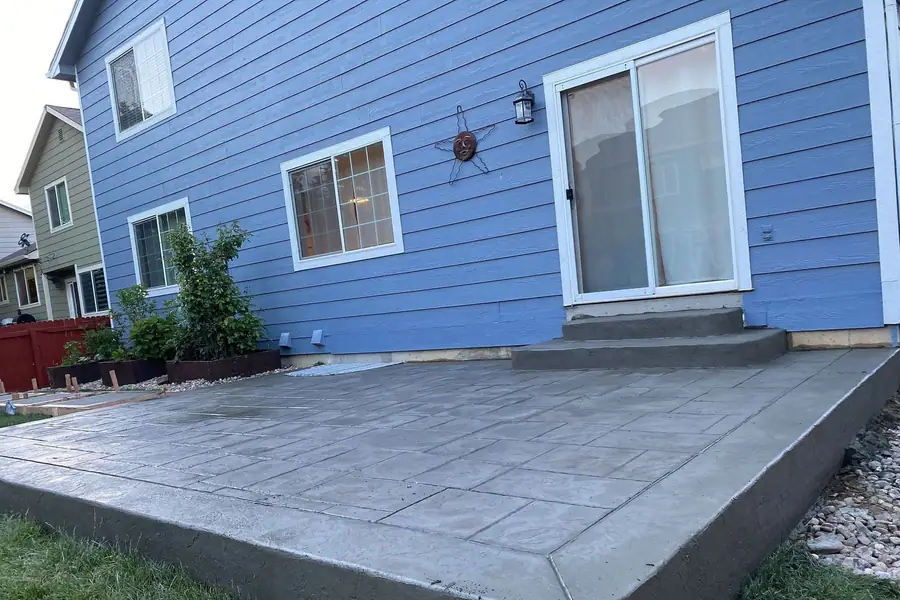
Compared with sandy or loamy soil, Loveland's clay expands and contracts dramatically as its moisture changes. After a wet spring snowmelt, the soil swells with water and pushes up on concrete slabs. By the end of summer, the same soil dries out and shrinks, leaving voids under the slab. That cycle of heaving and settling is one of the biggest causes of cracking and shifting in local driveways, patios and sidewalks.
When the work doesn't account for this soil movement, the slab is left unsupported, and you get:
- Cracks running in different directions within one to two years
- Driveways sinking or going uneven across every section
- Noticeable separation at the joints and edges
- Costly patchwork that rarely solves the problem
How Freeze-Thaw Cycles Damage Concrete
Colorado's climate adds another layer. Temperatures in Northern Colorado can swing 40 degrees in a single day, especially in spring and fall. Water seeps into even the tiniest cracks, and when the temperature drops below freezing it expands as it turns to ice, forcing the cracks wider and weakening the slab.
That freeze-thaw cycle is why sealing and the right mix matter. Without air entrainment and proper curing, concrete in Loveland can deteriorate years faster than it should.
Common Mistakes That Lead to Cracked Concrete
These are the mistakes we see most often when we're called out to a cracked slab in Loveland:
- Minimal excavation. Digging only a few inches when the job needs to reach stable ground.
- Weak base prep. Skipping compaction and soil prep, or using poor-quality fill.
- No reinforcement. Leaving out rebar, or using cheap wire mesh that doesn't tie into the existing slabs.
- Cheap mixes. Using lower-PSI concrete that can't handle the extreme weather.
- Ignoring drainage. Pouring on a slope without proper grading, so water pools.
These shortcuts might lower the upfront cost, but they almost always end in expensive repairs or a full replacement later.
How We Build Crack-Resistant Driveways and Patios
Every Loveland project we take on starts with the same goal, which is to build it right the first time so you don't end up paying for costly repairs. This is how we work against cracking:
- Thorough excavation. We dig 2 to 6 inches deeper than standard specs to remove weak soil, which leaves room for a stable base that resists shifting.
- Recycled concrete base. In place of loose gravel, we use recycled concrete road base compacted in layers. It's much stronger than standard materials and locks the slab in place.
- Triple compaction. The base is compacted three times with professional mechanical equipment. That prevents future sinking, one of the most common problems in Loveland driveways.
- Reinforcement. We install a commercial-grade #3 rebar grid tied into the existing concrete. It locks the slab together, spreads the weight and reduces stress on foundations.
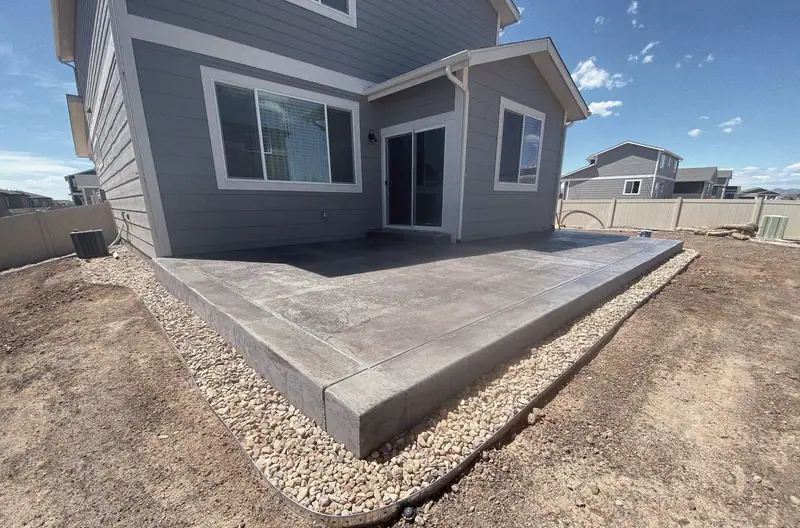
- Premium concrete mix. Our driveways and patios are poured with 4,000 PSI air-entrained concrete from local Loveland plants. Air entrainment adds microscopic bubbles that give freezing water room to expand without damaging the slab.
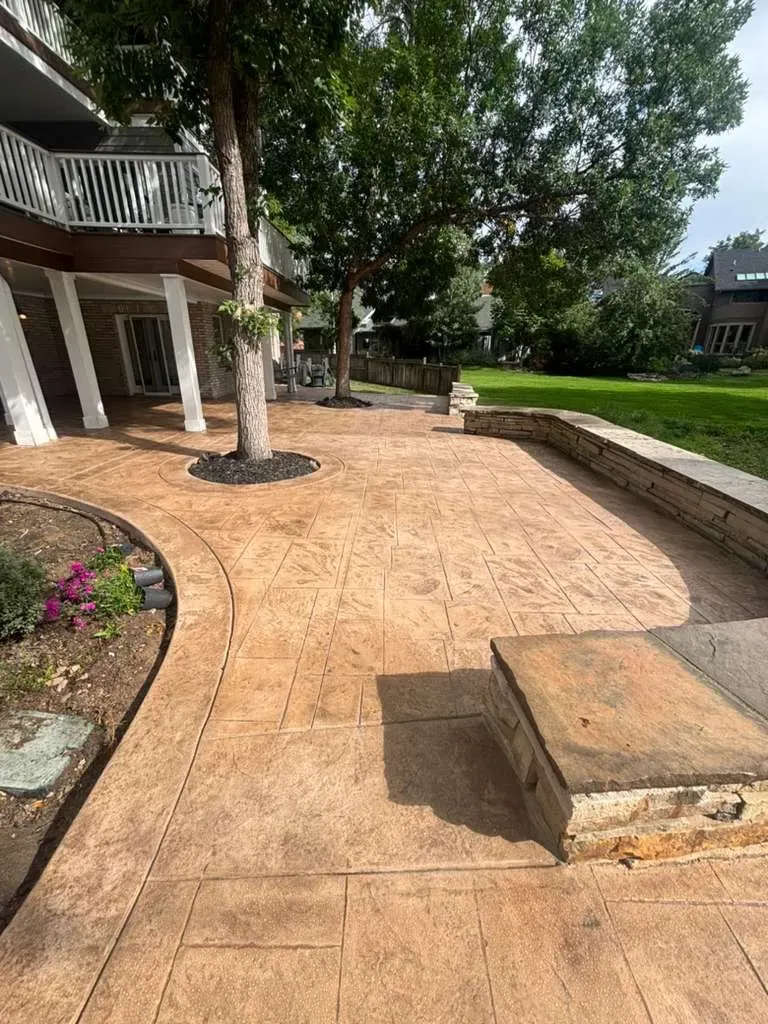
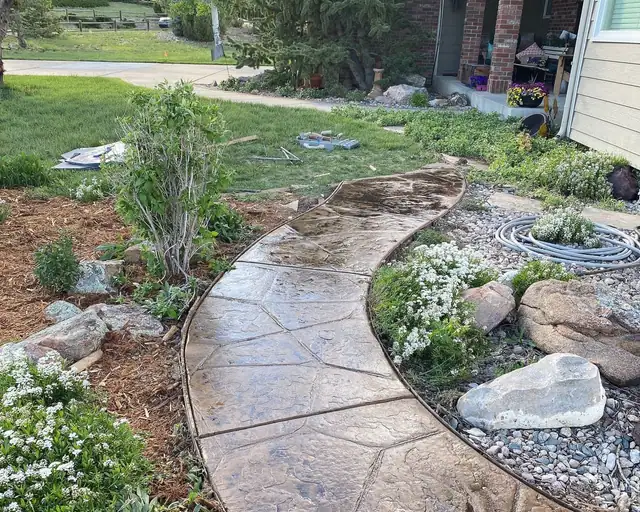
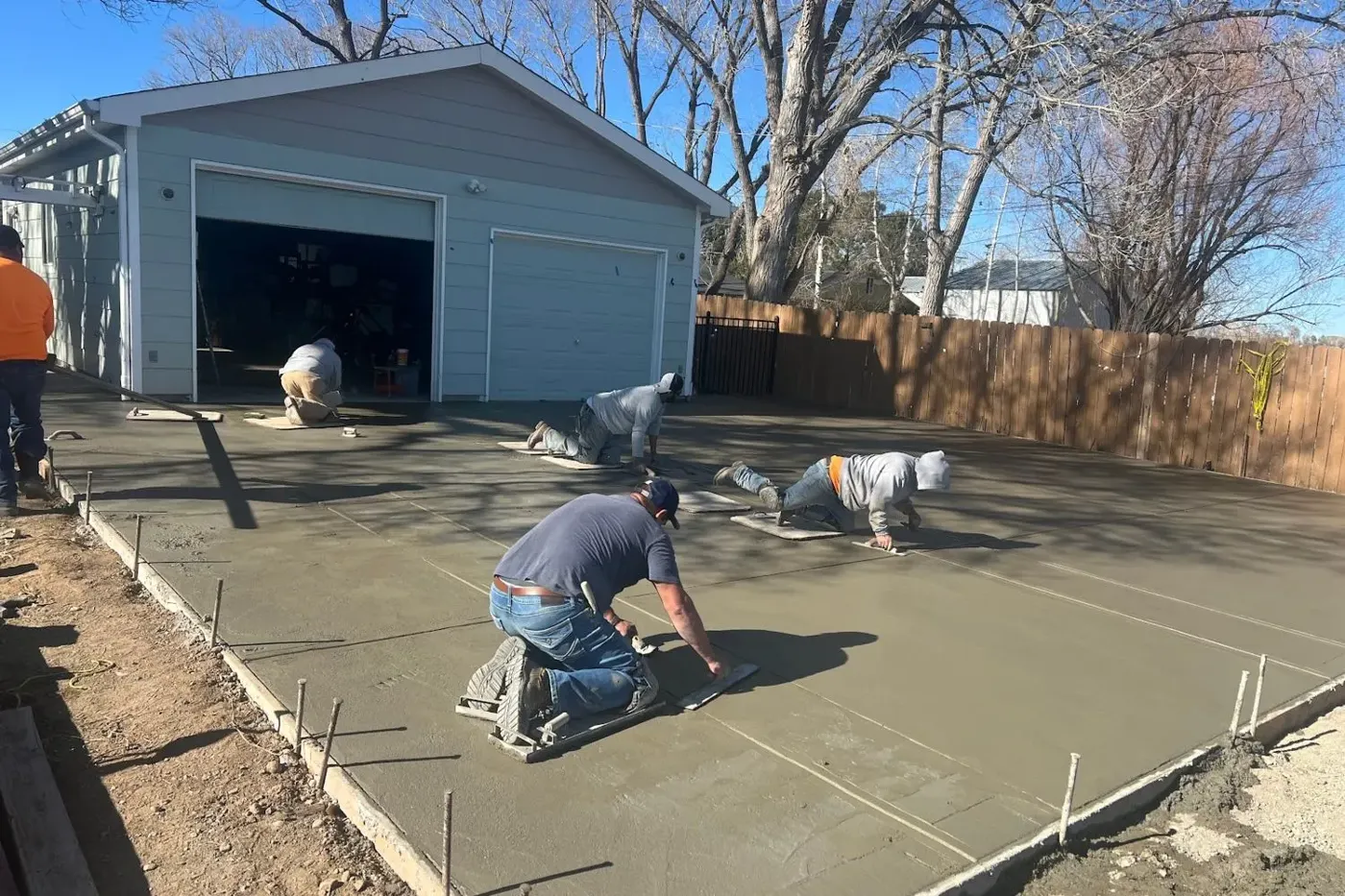
- Professional finishing. We cut control joints every 8 to 12 feet to guide natural movement, finish the surface with a broom or stamped texture for traction, and can apply an optional sealer that protects against moisture and chemicals.
Why Patching Cracks Isn't the Answer
Loveland homeowners often ask whether they should just patch the cracks in an old slab. A small cosmetic repair can improve the look, but patching doesn't solve the structural problem. If the soil under the slab is unstable and loose, the cracks will keep spreading.
In many cases, replacing the driveway or patio with proper base preparation is the right investment and the more cost-effective choice in the long run. A patch might last a season or two, while a properly installed slab can last decades.
Driveway and Patio Replacement Costs in Loveland
Every project is different, but these are general ranges for concrete work in Loveland:
- Standard driveway: $8 to $13 per sq. ft.
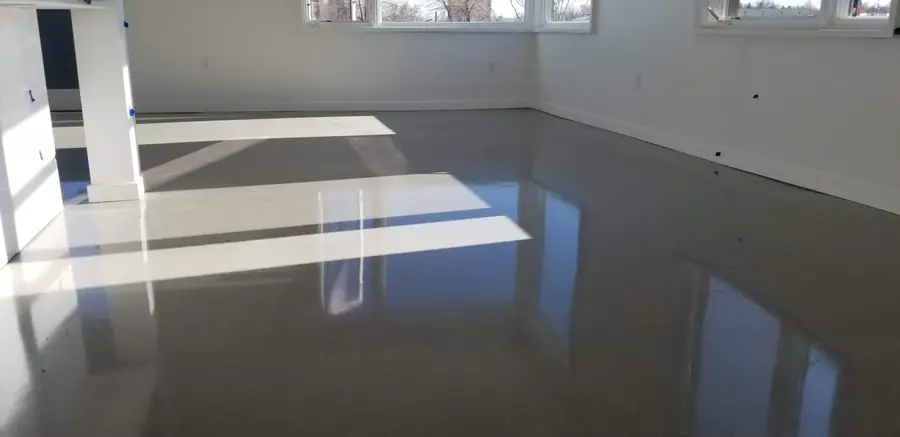
- Stamped or colored concrete: $12 to $18 per sq. ft.
- Sidewalks: $7 to $9 per sq. ft.
Professional installation does cost more upfront, but it keeps you from paying for repairs or a full replacement every 5 to 10 years.
Local Example: Markham Court
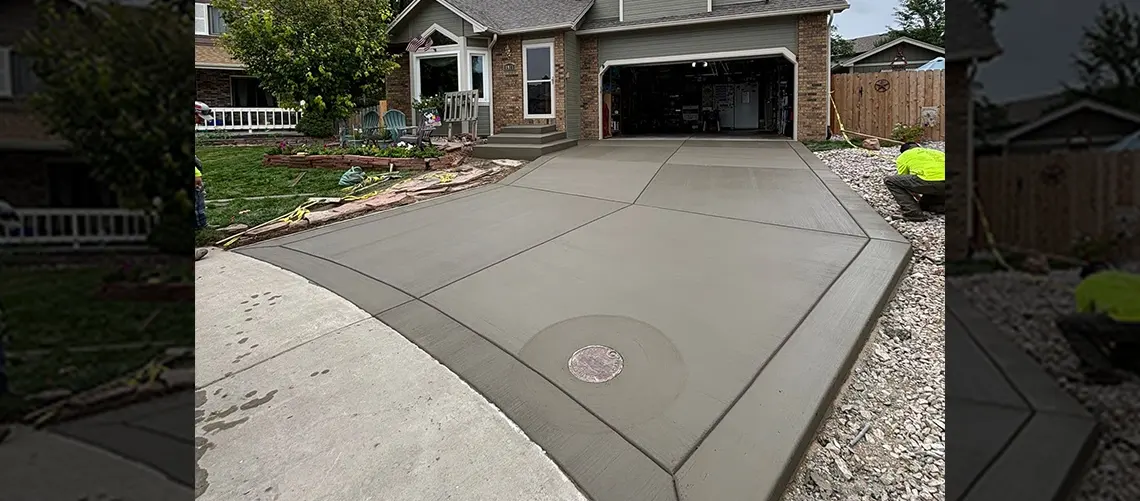
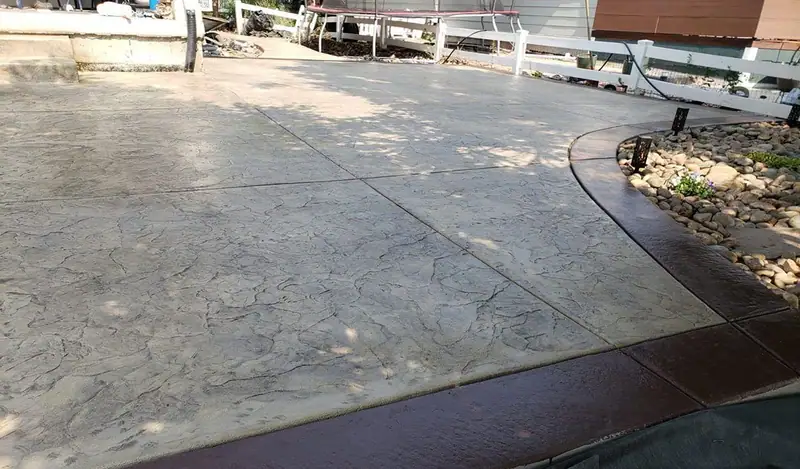
A recent driveway on Markham Court in Loveland is a good example. The homeowners originally wanted to patch the cracks, but after a detailed inspection we explained that the slab was too far gone and replacing it was the only real fix.
We excavated, compacted the soil three times, tied in new rebar and poured a fresh 4,000 PSI driveway along with a new section of city sidewalk. The project was finished in two days and passed city inspection without issue.
Tips for Protecting New Concrete
Even strong concrete needs some care to stay at its best. These are the tips we give every client:
- Avoid deicing salts during the first winter, because they speed up surface damage.
- Wait 7 days before parking vehicles on it, and 28 days for full strength.
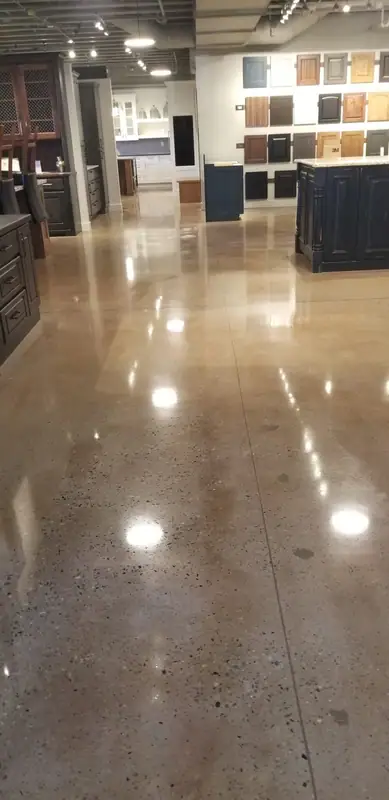
- Seal every 2 to 3 years to keep water out.
- Keep the drainage clear so water doesn't pool near the slabs.
Building for Loveland's Conditions
Clay soil that moves with moisture and big temperature swings make cutting corners the fastest way to end up with cracks and costly repairs in Loveland. With proper excavation, base prep, rebar reinforcement and a good mix, your driveway, patio or sidewalk can last for decades. If you're replacing or installing concrete in Loveland, contact us for an estimate, and you'll get a clear, itemized quote with every line spelled out.
Ready To Start?
Get Your Free Quote Today
Get a free quote from Hugo's Concrete — serving Fort Collins and surrounding areas.