2026 Homeowner Guide: Concrete Problems, Solutions, and Professional Standards
What common concrete problems usually mean, the installation standards worth expecting, and how to decide between repair and replacement.
Concrete is one of the best long-term upgrades you can make to your home. A durable driveway improves curb appeal right away, a well-built patio adds outdoor space you'll actually use, and solid walkways and steps make a property safer and easier to live in.
Concrete is also one of the most misunderstood parts of home improvement. Many homeowners don't know what's normal, what's a warning sign, or what professional work actually looks like until something starts cracking, flaking or settling. This guide is for homeowners who want straight answers: the most common concrete problems, what causes them, and the standards you should expect when you hire a contractor to do the job right.
The Most Common Concrete Problems
Cracking
Most concrete eventually cracks, and that usually doesn't mean the job was poured badly. Concrete is extremely strong under pressure, but it isn't flexible, and it shrinks as it cures. What matters is the size of the crack and whether it gets worse over time.
Tiny hairline cracks are usually cosmetic and nothing to worry about. Long, deep cracks that keep widening, or cracks with a height difference across them, usually point to movement under the slab. If one side sits higher than the other, you're looking at more than ordinary settling. If cracks are collecting water, growing each season or creating a trip hazard, it's worth having them looked at before the damage spreads.
Uneven concrete (heaving or sinking)
Uneven concrete is one of the biggest headaches homeowners deal with. It looks bad, it can be dangerous to walk on, and it often gets worse over time.
The cause is usually a problem in the ground underneath or with water, and the concrete itself is rarely to blame. Water that gets under a slab can soften the base, wash soil away, or set off shifting during freeze-thaw cycles. In some areas, clay soil swells and shrinks as its moisture changes, which moves slabs over time.
A small height change might be repairable. If several areas are moving, though, it often means the base or the drainage needs to be corrected, and a patch on the surface won't fix that.
Surface flaking (scaling)
Scaling is when the surface of the concrete starts to peel away in thin flakes or chips, and it's especially common where winters freeze. It's often tied to moisture sitting on the slab, repeated freeze-thaw cycles, deicer use or poor finishing during installation. Once the top layer starts to break down, it tends to get worse every winter, because water can get into the slab quickly.
Some minor scaling can be managed, but widespread scaling usually means the surface was weakened and will keep deteriorating.
Spalling (pitting and chipping)
Spalling is like scaling, but deeper and more serious. Instead of small flakes, you'll find rough pits or chips that feel uneven underfoot. It shows up at slab edges, at control joints, in the parts of a driveway where cars sit, and where water pools and freezes often.
When a slab starts to spall, the surface is breaking down. Repairs often don't hold, and many spalling problems end up needing replacement, especially when the damage keeps spreading.
Discoloration and stains
Staining is extremely common, and it doesn't always mean something went wrong with the prep or the pour. Discoloration can come from sprinkler overspray, mineral deposits, mud, rust, oil leaks or a sealer that was applied incorrectly. A deep clean removes or improves most stains, while others may need resurfacing or replacement depending on how bad they are.
The biggest thing to understand is that preventing stains is easier than removing them, and drainage and sealing decisions matter more than most people realize.
Drainage problems and pooling water
Water is the biggest enemy of outdoor concrete. If water sits on a slab regularly, it almost always causes problems later. In winter, pooled water turns to ice and speeds up surface damage. In warmer months, it can seep under the slab and lead to erosion or settling.
This usually comes down to the slope, the grading around the slab, and how the surrounding landscaping handles water. When it keeps happening, it's rarely just a cosmetic problem.
Professional Standards to Expect
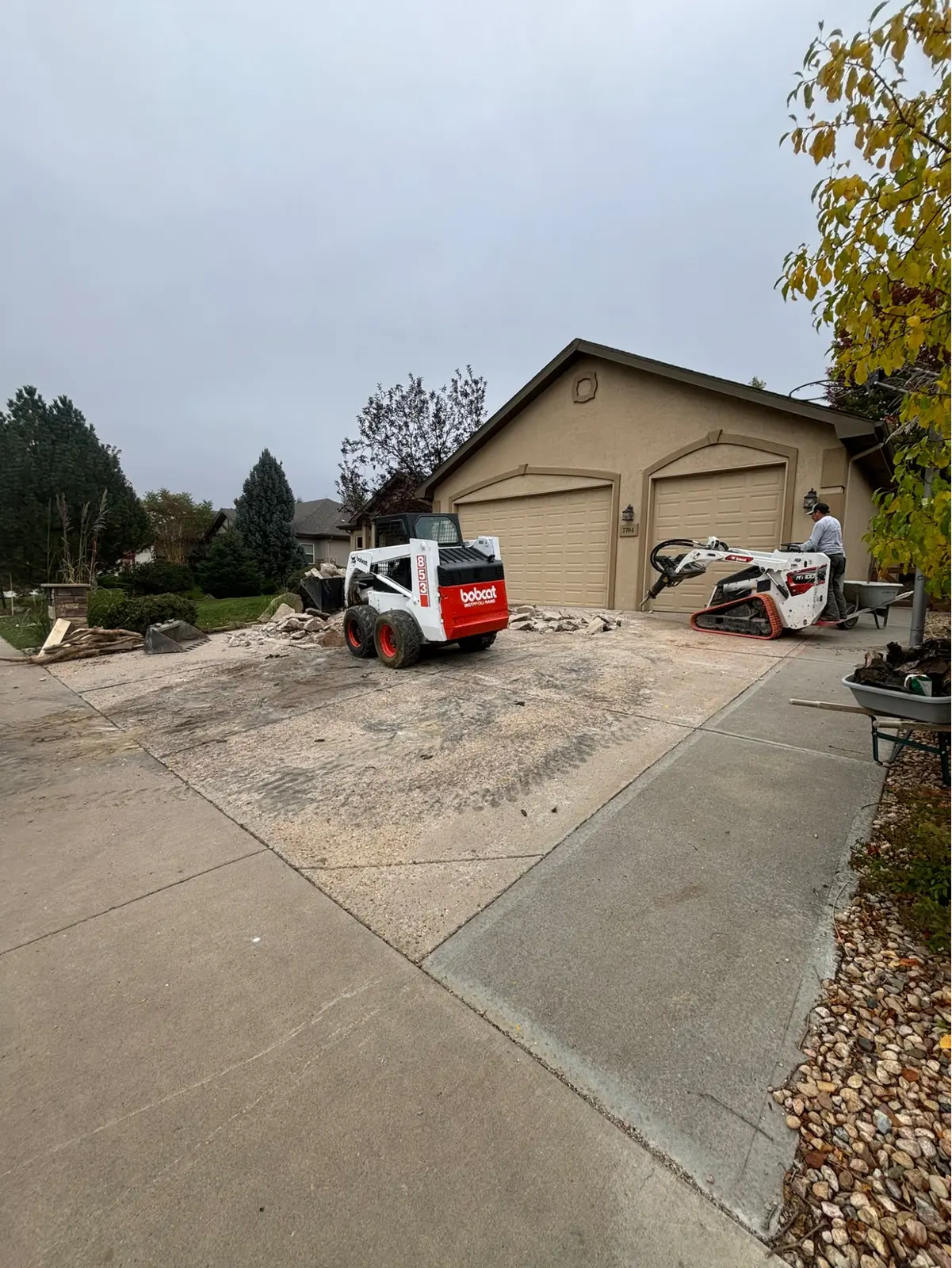
Most homeowners judge concrete by how it looks on day one, which is understandable. The real quality of the work is in the parts you can't see right away. Solid concrete lasts because of careful planning, proper preparation and the right technique, and these are the standards that matter most.
Base preparation done correctly
A quality slab starts with the ground under it, which has to be stable and properly compacted. If soft soil is left in place or the base is rushed, you can end up with movement, cracking or uneven panels even when the surface looks perfect. A good contractor should be able to explain how they prep and compact the base, in more detail than "we'll pour on top of it."
Slope and drainage planning
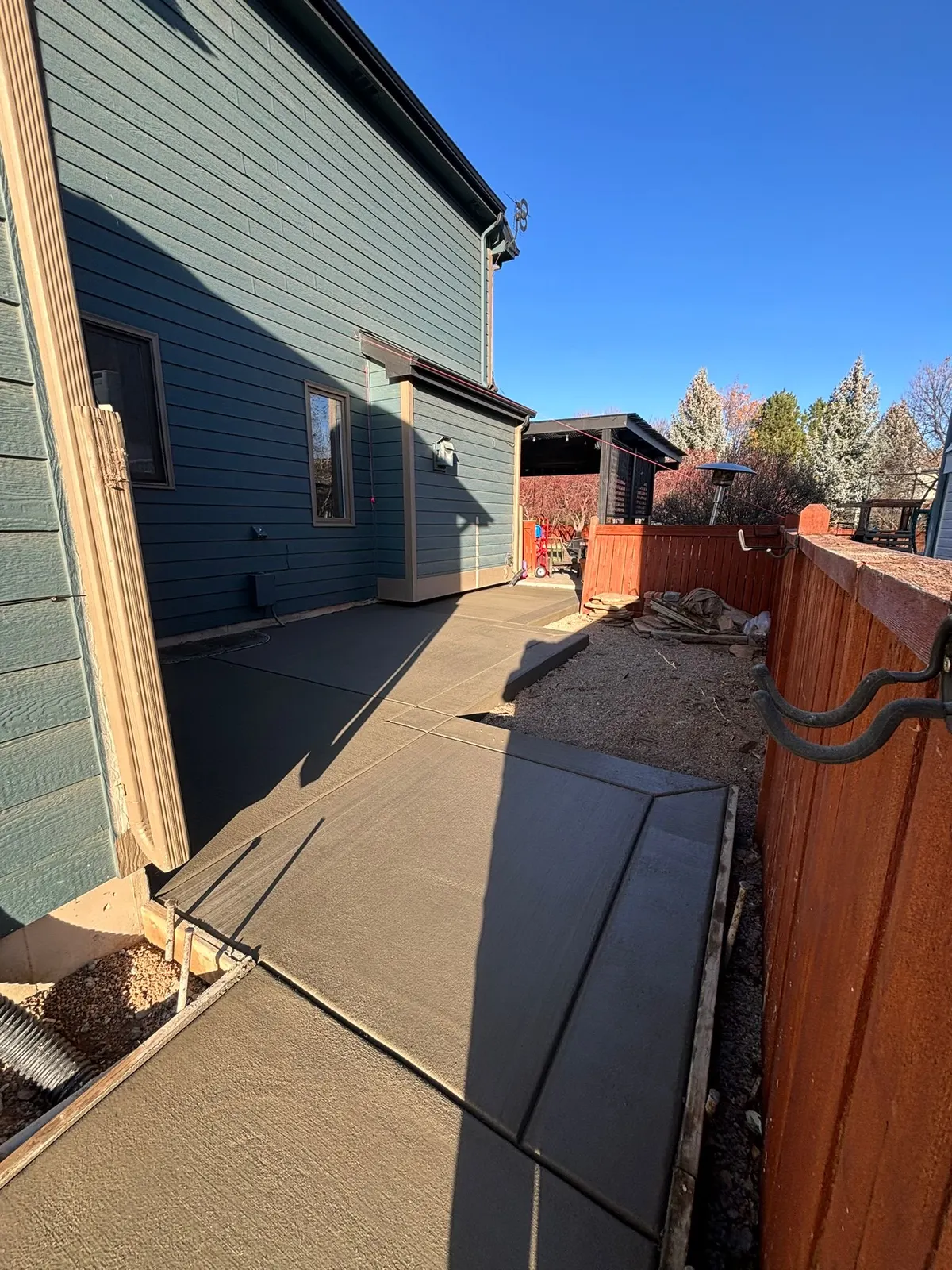
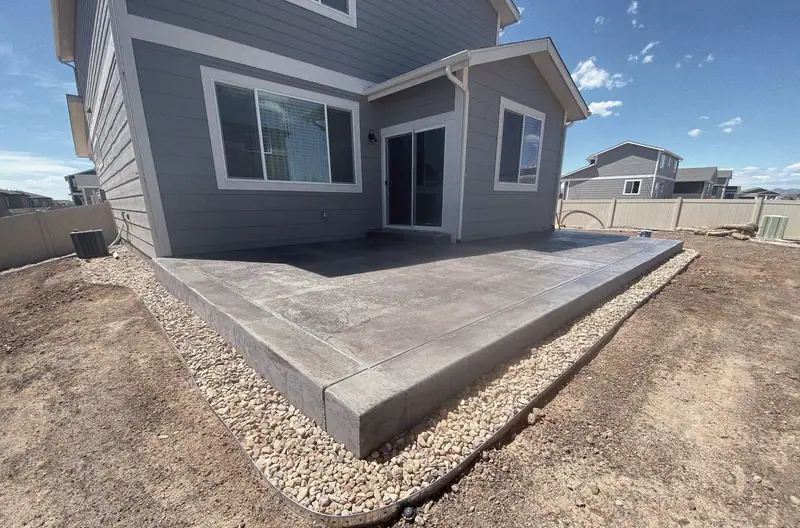
Concrete needs to drain. Driveways and patios should be built with a slope that moves water away from the home and off the slab. If a contractor isn't talking about drainage, treat that as a red flag, because poor drainage is one of the most common reasons concrete fails early, especially where there are freeze-thaw cycles.
Reinforcement that matches the job
Homeowners often hear "rebar" and assume the slab will never crack. Reinforcement helps, but only when it's the right type, spacing and placement. Rebar or mesh should sit evenly within the slab so it actually supports it, and if it sinks to the bottom during the pour, it isn't doing much. A professional contractor should be able to tell you what reinforcement they're using and why.
Control joints that are planned
Concrete will eventually crack, and control joints guide where those cracks happen so they don't wander across the slab. If joints are missing, poorly spaced or placed without thought, cracks show up wherever they like, which usually looks worse and can cause real problems. A professional contractor won't promise "no cracks." They build the slab so the cracks are controlled and expected.
Finishing with the right timing and technique
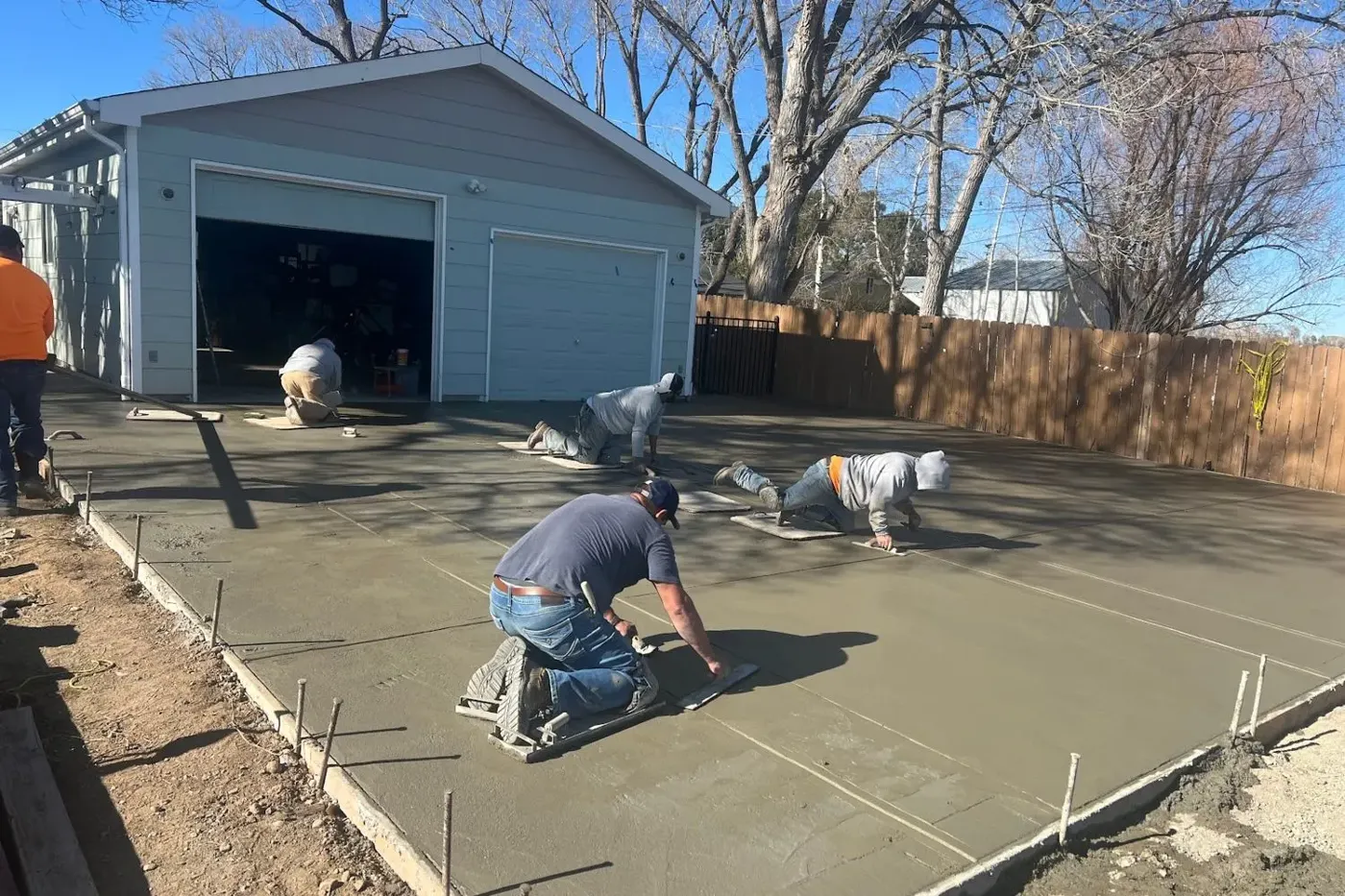
Finishing is where good craftsmanship shows. It means doing the right steps at the right time, especially with Colorado's changing weather, and the look comes from getting that right. Finishing too early, overworking the surface or rushing the job can weaken the top layer and lead to scaling or flaking later. A good finish looks clean and consistent and holds up for the long term.
Clear communication and respect for your property
This is part of professional work too, and you should ask for it. A reliable contractor shows up when they say they will, communicates clearly, takes care of your property, keeps the site clean and walks the finished job with you. Concrete is a big investment, and the process should feel organized and calm.
When to Repair and When to Replace
It's natural to want the cheapest fix, but concrete doesn't always cooperate. Some repairs are good, and others only buy time.
A repair can make sense when the slab is mostly level, the cracks are minor and the base is still stable. If the damage is mostly cosmetic and hard to notice, the right repair can extend the life of the concrete.
Replacement is usually the better choice when the slab is uneven, the pooling can't be corrected, scaling or spalling is widespread, or repairs have already been tried and keep failing. If you're fixing the same problem over and over, the real issue is usually under the surface.
Before You Call a Contractor
Concrete can last for decades when it's built properly for the conditions it sits in, and most failures trace back to weak preparation, poor drainage, rushed finishing or warning signs that got ignored. If you're seeing cracks that spread, uneven panels, surface flaking or water that keeps pooling, deal with it sooner, because these problems rarely improve on their own and waiting can turn a manageable repair into a full replacement. When you hire a local contractor, look for someone who explains their process clearly, can show you recent projects and stands behind their work. If you'd like us to take a look, you can request an estimate.
Ready To Start?
Get Your Free Quote Today
Get a free quote from Hugo's Concrete — serving Fort Collins and surrounding areas.