
Pouring Concrete in the Rain: A Comprehensive Guide for Best Practices and Precautions

Why Pouring Concrete in the Rain Can Be Challenging? When it comes to construction, one of the most common questions is, “Can you pour concrete in the rain?” The answer is complex, and it largely depends on several factors such as the severity of the rain, the type of concrete being used, and the timing. Pouring concrete during rainy weather can result in weakened surfaces, cracks, or delays in curing, but with the right precautions, it is possible to achieve a solid and durable finish. In this guide, we’ll explore the best practices, challenges, and professional tips for pouring concrete in the rain, ensuring your project remains on track regardless of the weather. 1. Understanding the Challenges of Pouring Concrete in the Rain Key Points to Consider: Water-to-Cement Ratio: Excess water can disrupt the critical water-to-cement ratio, leading to weak concrete. Surface Damage: Rain can cause surface damage, leaving the top layer of concrete brittle and prone to dusting. Curing Time: Moisture slows the curing process, which can delay the overall project. Pouring concrete in the rain is a gamble if not managed correctly. Rainwater can dilute the concrete mix, resulting in a bad structure. Even light showers can affect the surface, causing issues like scaling, efflorescence, and unwanted staining. Moreover, excessive water on the surface can compromise the strength and longevity of your slab. To avoid these pitfalls, it is crucial to prepare ahead and follow specific procedures. 2. Best Practices for Pouring Concrete in Wet Conditions Step 1: Monitor the Weather Before starting any concrete pour, check the weather forecast. If light rain is predicted, it’s best to postpone the project if possible. However, for urgent projects where delay isn’t an option, monitor the conditions closely to prevent major issues. Step 2: Use Plastic Sheeting or Tarps Cover your work area with waterproof sheeting before the rain begins. Make sure the edges are securely weighed down so water cannot seep in. Have extra sheeting on hand to cover the freshly poured concrete until it is set enough to resist damage. Step 3: Prepare the Ground Properly One major issue is that rainwater can pool on the ground, causing mud and other debris to mix with your concrete. Ensure that the ground is compacted and prepared properly to prevent water pooling. Lay down gravel or sand as a base to avoid direct contact with wet ground. Step 4: Use Quick-Setting Concrete Quick-setting concrete is ideal for rain-prone areas as it hardens faster, reducing the window of vulnerability during downpours. Additives can also be mixed into the concrete to accelerate the drying process, making it less susceptible to water damage. Step 5: Avoid Overworking the Surface Once the concrete has been poured, avoid overworking the surface as this can draw excess water to the top. Allow the concrete to set naturally before applying any finishing touches. Step 6: Post-Pour Protection Once the concrete is set, continue protecting it from rain for at least 24 hours. Use additional coverings and ensure that the area is free from puddles. This is especially important if heavy rains are expected overnight. 3. Adjusting the Concrete Mix for Wet Conditions Concrete Mix Adjustments: The most effective strategy when pouring concrete in wet weather is to modify the mix itself. Consider using the following adjustments: Reduce Water Content: Lower the water-to-cement ratio to compensate for any additional moisture introduced by rain. Include Air-Entraining Admixtures: These admixtures help the concrete resist the detrimental effects of rain by improving its workability and freeze-thaw durability. Use Hydrophobic Additives: These specialized additives reduce water permeability, enhancing the concrete’s resistance to water-related damage. With the right mix adjustments, even rainy weather won’t compromise the structural integrity of your concrete pour. Speak with your concrete supplier about adding rain-resistant chemicals and additives to ensure a successful outcome. 4. Post-Pour Precautions and Maintenance Cover and Protect the Area After pouring, it is crucial to shield the concrete from further water exposure. Continue using tarps or plastic covers, especially during the curing period. Make sure the cover doesn’t come into direct contact with the surface, as this can leave marks or damage the finish. Monitor the Curing Process Concrete curing is essential to its long-term strength. Rain can interfere with curing, causing prolonged drying times or uneven surfaces. Monitor the curing process closely, ensuring that the environment stays at a stable temperature and moisture level for optimal results. Fixing Minor Damage In the event that rain has already impacted the surface, minor surface repairs can be made. This includes using patching compounds or skim coats to repair superficial cracks or imperfections. These repairs should be completed before the concrete fully cures. 5. When to Delay the Pour Severe Rain Conditions There are times when even the best precautions won’t be enough. Severe rainstorms, thunderstorms, or continuous downpours are clear indicators that pouring concrete should be delayed. In such cases, it’s better to wait for clearer weather rather than risk an entire project’s integrity. Ground Saturation If the ground is overly saturated, it may cause long-term problems for your concrete, such as poor bonding or structural instability. Postponing the pour until the ground dries is often the best option to ensure the foundation’s strength. Final Thoughts on Pouring Concrete in Wet Conditions Now that you’re equipped with the knowledge to pour concrete in the rain, the next step is to put these tips into action. However, even with the best guidance, certain weather conditions can still present challenges beyond your control. If you want to ensure your project’s success, consider reaching out to a professional contractor with experience handling weather-impacted concrete pours. They can help assess the conditions, make the right mix adjustments, and implement the necessary protections to safeguard your investment. Don’t take chances with your concrete project—contact us to discuss your specific needs, get personalized advice, and guarantee a durable, high-quality result even when the weather doesn’t cooperate. Whether you’re planning a small home improvement or a large-scale construction project, professional guidance
Optimizing Concrete Pouring Conditions for Superior Results in Northern Colorado
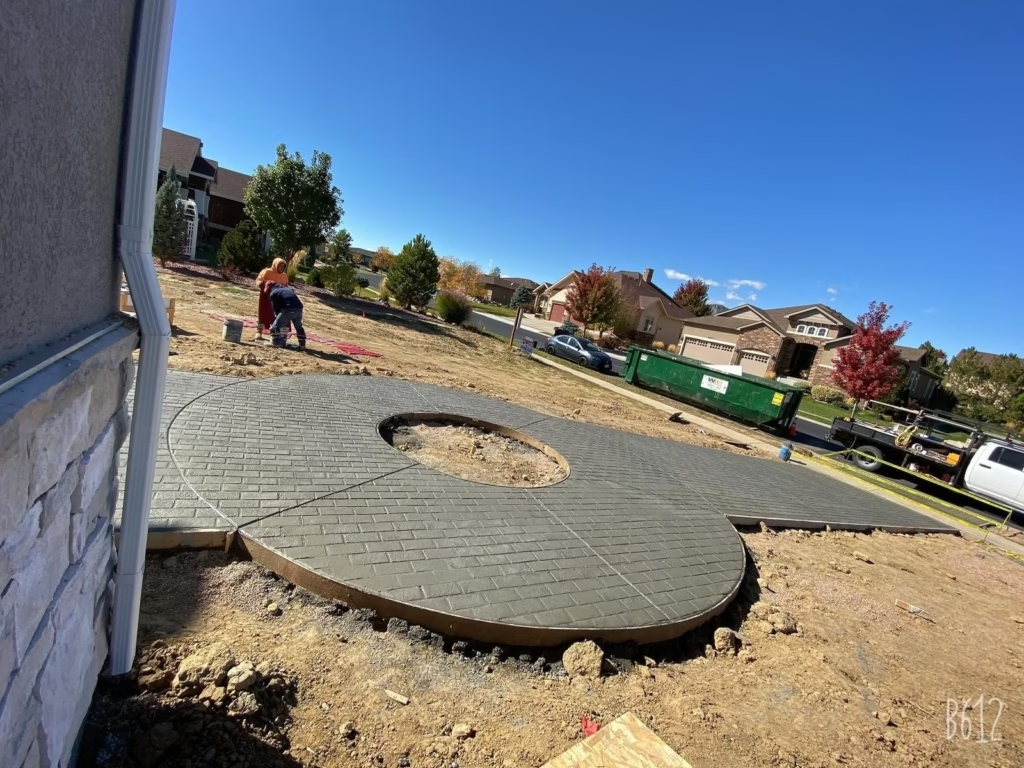
Northern Colorado Concrete Pouring: Mastering Ideal Conditions Concrete pouring is a pivotal phase in construction projects across Northern Colorado, where weather conditions can significantly impact the outcome. At Hugo’s Concrete, serving Fort Collins and the entire Northern Colorado region, we recognize the paramount importance of timing and temperature in ensuring successful concrete pours. In this comprehensive guide, we delve deeper into the intricacies of concrete pouring in our region, offering valuable insights and expert tips for achieving optimal results. Understanding Temperature Requirements The temperature during and after the concrete pouring process plays a crucial role in determining the strength and durability of the finished product. In Northern Colorado, the ideal temperature range for pouring concrete typically falls between 50°F to 85°F (10°C to 30°C). Within this range, the concrete can cure properly and attain maximum strength. When to Avoid Pouring While the ideal temperature range provides a general guideline, certain weather conditions warrant caution and may necessitate postponing concrete pours: Extreme Heat: High temperatures can accelerate the curing process, leading to premature drying and potential cracks in the concrete. It’s advisable to avoid pouring concrete on excessively hot days, especially when temperatures exceed 90°F (32°C). Freezing Temperatures: Concrete poured in freezing conditions is susceptible to frost damage, which can compromise its structural integrity. It’s essential to refrain from pouring concrete when temperatures drop below 50°F (10°C) and to implement measures to protect the concrete from freezing during the curing process. Tips for Successful Concrete Pouring To ensure a successful concrete pour in Fort Collins or anywhere in Northern Colorado, consider implementing the following strategies: Thorough Planning: Monitor weather forecasts closely and schedule concrete pours during periods of moderate temperatures and low humidity. Adequate planning can help mitigate the risk of adverse weather conditions impacting the quality of the pour. Utilize Admixtures: Incorporating admixtures into the concrete mix can enhance workability and adjust curing times, particularly beneficial in challenging weather conditions. Admixtures help optimize concrete performance and enhance its durability. Provide Thermal Insulation: During colder months, insulate the ground and utilize blankets or heated enclosures to maintain the ideal temperature for curing. Proper thermal insulation ensures uniform curing and prevents thermal differentials that may compromise concrete strength. Ensure Proper Hydration: Concrete hydration is essential for the curing process. Maintain adequate moisture levels by misting with water or using curing compounds to prevent premature drying and ensure optimal strength development. Efficient Work Practices: Once pouring begins, work efficiently to achieve uniformity and minimize the risk of cold joints resulting from interruptions in the pouring process. Proper consolidation and finishing techniques are essential for achieving a smooth and durable concrete surface. Conclusion: Mastering concrete pouring in Northern Colorado requires meticulous attention to detail and adherence to optimal temperature conditions. By understanding the impact of weather on concrete curing and implementing best practices, you can achieve superior results that withstand the test of time. At Hugo’s Concrete, we’re committed to delivering top-quality concrete services tailored to the unique needs of our clients in Fort Collins and throughout Northern Colorado. Trust us for your next concrete project, and experience the difference expertise makes in achieving exceptional outcomes. In Northern Colorado’s unique landscape, environmental factors can also influence concrete pouring outcomes. By prioritizing eco-friendly practices, such as using recycled materials in concrete mixes and implementing sustainable construction methods, we can minimize environmental impact while delivering exceptional results. At Hugo’s Concrete, we are committed to sustainable practices that preserve the natural beauty of our region for future generations. Contact Hugo’s Concrete to schedule your free estimate!